How to Find the Right Water Heater for Your Family’s Needs
When considering the purchase of a new water heater, it is essential to accurately assess your family’s hot water needs. Different households have varying requirements based on the number of family members and their daily activities. Start by evaluating the daily hot water usage in your home. For example, determine how many showers are taken each day, the frequency of dishwashing, the need for laundry, and any other activities that utilize hot water. By analyzing these areas, you can develop a clearer understanding of your typical hot water consumption.
Another critical factor in understanding hot water needs is to identify peak usage times within your household. Are there mornings when multiple family members shower simultaneously? Or perhaps evenings when dishes are washed after dinner? Taking note of these peak usage periods will provide insight into the hot water demand that must be accommodated, ensuring that your water heater can meet your family’s requirements during these busy times.
Equally important is the concept of flow rate. The maximum flow rate required for your household is determined by the simultaneous use of hot water at multiple fixtures, such as sinks, showers, and washing machines. By calculating the maximum flow rate needed, you can make an informed decision regarding the type of water heater to purchase, ensuring that it can efficiently handle high demand when multiple sources are utilized concurrently.
In essence, by thoroughly examining your family’s hot water needs through the lens of daily usage, peak times, and flow rate requirements, you can better evaluate which water heater will provide optimal performance and satisfaction for your household.
Types of Water Heaters Explained
When selecting a water heater for your home, understanding the various types available can greatly influence your decision. The four primary types of water heaters include traditional storage, tankless, heat pump, and solar water heaters, each with unique advantages and disadvantages.
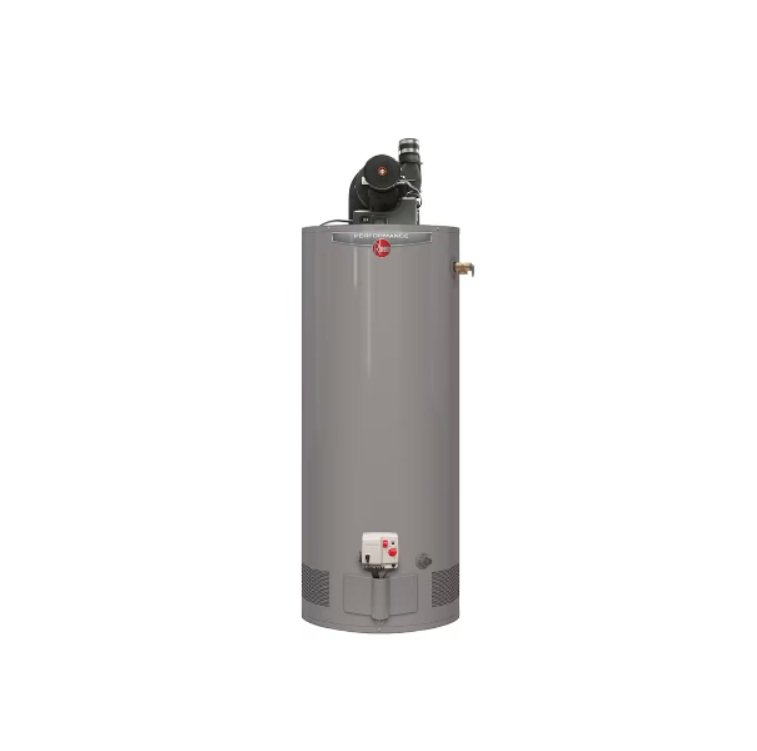
Traditional storage water heaters, commonly found in many households, operate by heating and storing a substantial amount of water in a tank. While they are typically less expensive upfront, their continuous standby heat loss can lead to higher energy bills. These units often range from 20 to 80 gallons in size. Their energy efficiency ratings depend on the insulation and model; however, they can be quite energy-consuming if not maintained properly.
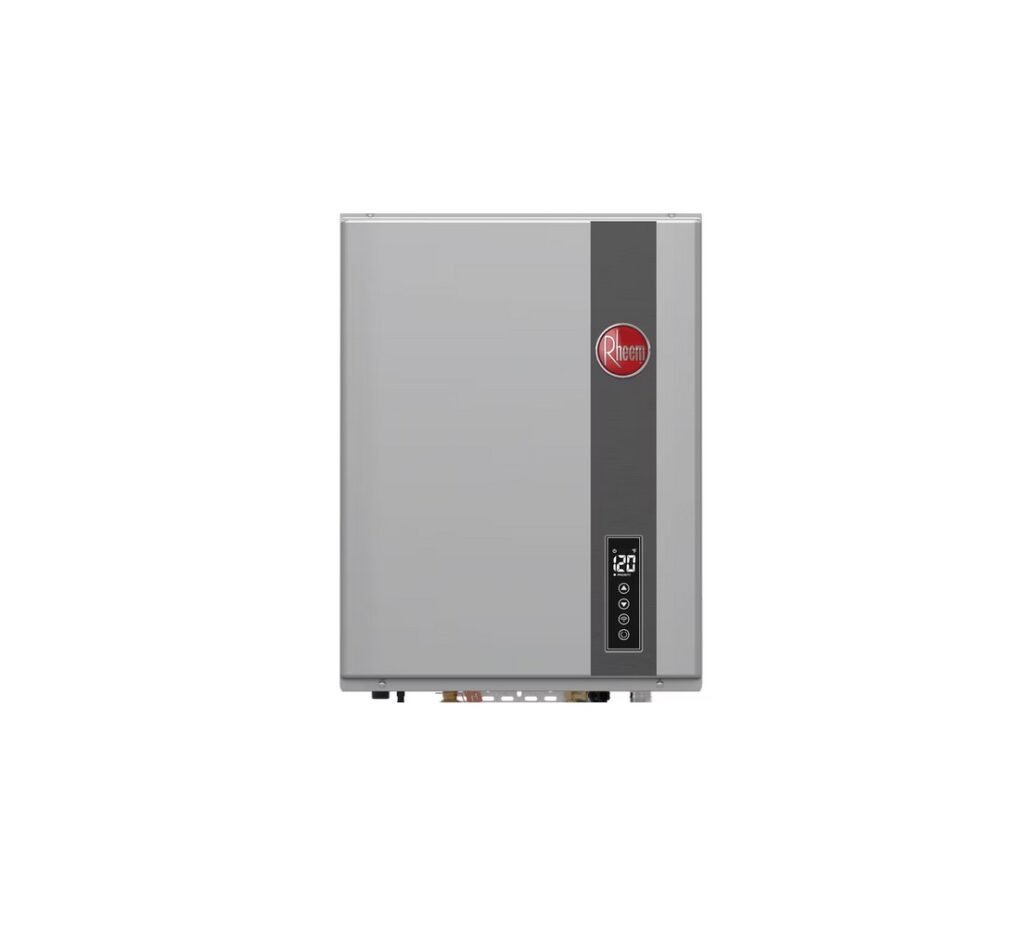
Tankless water heaters offer an alternative by heating water on demand, thus eliminating the need for a storage tank. This type can be more energy-efficient, as it only heats water when it is needed. However, the initial installation costs are usually higher compared to traditional systems. The flow rate of hot water may also be limited, which can be a concern for larger households requiring simultaneous access.
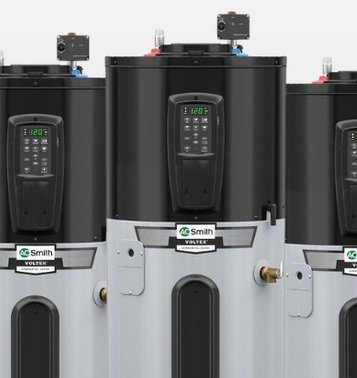
Heat pump water heaters utilize electricity to transfer heat from the air or ground to the water, proving to be significantly more energy-efficient than conventional electric models. Their high efficiency scores are notable; however, they may require more space and come at a higher purchase cost. Long-term, they can lead to substantial savings on energy bills.
Lastly, solar water heaters harness energy from the sun, making them an eco-friendly option. They have low operating costs, but the initial installation can be expensive, and performance can vary depending on climate. Readers should consider both energy efficiency ratings and overall costs when selecting the type that best suits their family’s needs.
Key Features to Consider When Choosing a Water Heater
When selecting a water heater, several essential features warrant careful consideration to ensure it meets your family’s requirements. One of the most significant factors is capacity. This attribute determines how much hot water the unit can provide at any given time, which is crucial for households with high usage demands. To ascertain the appropriate size, consider the number of bathrooms and appliances that utilize hot water, as well as peak usage times.
Another vital aspect is energy efficiency. Water heaters can account for a substantial portion of your home’s energy consumption, and selecting an energy-efficient model can lead to lower utility bills and a reduced environmental impact. Look for units with a high energy factor (EF) rating, which indicates how efficiently a water heater converts energy into hot water.
The recovery rate is a key consideration as well, referring to how quickly a water heater can replenish its supply of hot water. This metric is particularly important in larger households or during high-demand periods, as it directly impacts your daily convenience. A heater with a rapid recovery rate can ensure that hot water is available when needed.
Installation requirements are another critical element to evaluate, as water heaters may have specific needs for ventilation, clearance, and connections. Knowing these requirements beforehand can prevent potential complications during installation. Additionally, consider the energy source options available— be it electricity, gas, or solar—as this decision can influence both operational costs and availability based on your location.
Lastly, evaluate the warranty offerings related to the unit. A robust warranty can provide peace of mind by covering repairs or replacements for a specified period. Look for any rebates or incentives that could alleviate costs further and sweeten your decision-making process when investing in a new water heater.
Hiring Professionals for Installation and Maintenance
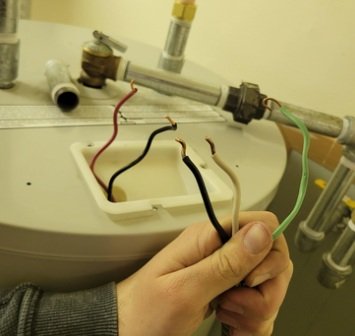
When selecting a water heater, the importance of professional installation cannot be overstated. A qualified technician ensures that the unit operates according to manufacturer specifications and local building codes, reducing the risk of failures or hazards that can arise from improper installation. The cost of hiring professionals can vary based on the complexity of the installation, but it is a worthy investment that often saves money in the long run by enhancing the unit’s efficiency and lifespan.
During the installation process, you can expect a thorough initial assessment of your home to determine the best type of water heater for your family’s needs. Professionals will evaluate factors such as the size of your home, your hot water demand, and any existing plumbing configurations. Following this assessment, the technician will remove the old unit if necessary and safely install the new water heater, ensuring that all connections are secure and that the system is functioning correctly before leaving the site.
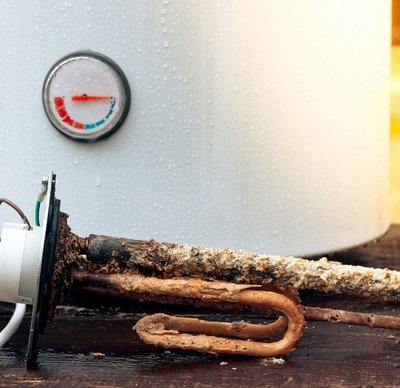
Regular maintenance is key to prolonging the life of your water heater. Simple tasks such as flushing the tank annually to remove sediment build-up, checking the anode rod for corrosion, and inspecting the pressure relief valve can significantly enhance efficiency and performance. It is advisable to schedule routine professional maintenance at least once a year, as trained technicians can identify potential issues before they become major problems.
Signs that indicate your water heater may need repair or replacement include fluctuating water temperatures, unusual noises coming from the unit, or visible leaks. Addressing these issues promptly can prevent complete breakdowns and costly repairs down the line. Always consult with professionals to ensure you are making the best decisions regarding maintenance and eventual replacements of your unit.