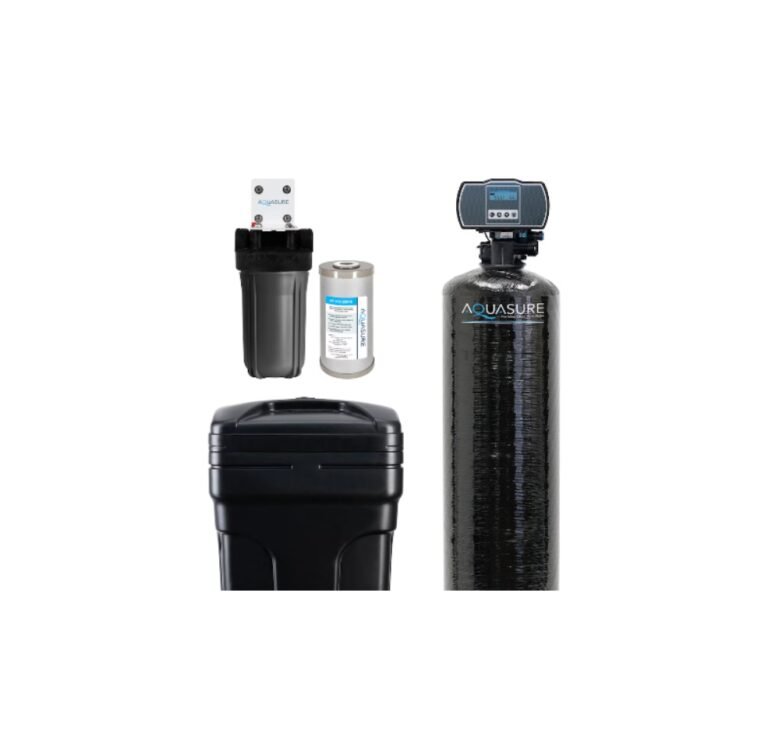
How to Clean Your Water Softener Brine Tank
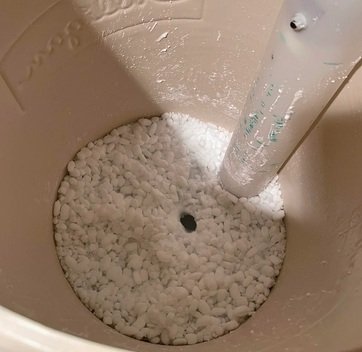
A brine tank is an essential component of a water softener system, designed to store the brine solution that is instrumental in the softening process. This tank contains a mixture of salt and water, which helps in the regeneration of the resin beads used in the water softener. The brine tank works in tandem with other components of the water softener, such as the resin tank and control valve, to ensure the efficient removal of hardness minerals like calcium and magnesium from your water supply.
The brine tank plays a crucial role during the regeneration phase of the water softening process. When the system determines that the resin beads are saturated with hard minerals, it initiates a regeneration cycle. During this cycle, the brine solution from the brine tank is drawn into the resin tank, where it interacts with the resin beads, displacing the hardness minerals and effectively cleaning them. Once this process is complete, the brine solution, now mixed with hardness minerals, is flushed from the system, making way for a fresh cycle.
Maintaining a clean brine tank is vital for the overall efficiency of the water softener. Neglecting to clean the tank can lead to a build-up of salt sludge, which may cause blockages and reduce the effectiveness of the brine solution. This could ultimately result in the resin beads becoming less operational, leading to diminished water softening capabilities. Furthermore, a dirty brine tank can foster the growth of bacteria, impacting water quality and safety. Therefore, regular maintenance, including cleaning the brine tank, is not only a best practice but a necessary step to ensure the longevity and performance of your water softener system.
Safety Precautions Before Cleaning
Cleaning your water softener brine tank is a necessary but potentially hazardous task if not approached with caution. Prior to beginning the cleaning process, it is imperative to consider several safety measures to ensure a smooth and secure experience. First and foremost, turn off the power to the water softener; this minimizes the risk of electrical shock and ensures that the unit is not inadvertently activated during the cleaning.
Wearing appropriate protective gear is also highly recommended. This includes gloves and safety goggles to protect your skin and eyes from salt, brine, and the cleaning solutions you may be using. It is essential to handle these materials with care, as exposure can lead to irritation or injury. If you are using any chemical cleaning agents, please read and follow all safety instructions provided on the labels to avoid adverse reactions.
Another crucial consideration is the handling and storage of salt. Salt can be heavy and may cause physical strain if lifted improperly. When removing it from the brine tank, it is wise to use proper lifting techniques or consider assistance if necessary. Additionally, keep any cleaning solutions away from children and pets to prevent accidental ingestion or exposure.
Lastly, do not underestimate the importance of adhering to these safety measures. Mistakenly bypassing any of these precautions could result in accidents or injuries, which could complicate what is meant to be a straightforward maintenance procedure. By taking the time to properly assess the safety precautions beforehand, you set the stage for a safer and more effective cleaning experience.
Step-by-Step Guide to Cleaning the Brine Tank
Maintaining a clean brine tank is essential for the efficient operation of your water softener. Neglecting this crucial component can lead to performance issues and reduced effectiveness. Below is a comprehensive guide to help you clean your brine tank effectively.
Tools and Materials Required: Begin by gathering the necessary tools and materials, which include a bucket, a scoop or a shovel, a soft brush, a cleaning solution (like vinegar or a specialized brine tank cleaner), and access to water.
Step 1: Turn Off the System – Before beginning, ensure your water softener is turned off to prevent any accidental activation during the cleaning process.
Step 2: Drain the Brine Tank – Locate the drain valve of your water softener, and open it to allow the brine solution to drain out into a bucket. You can also manually scoop out remaining brine to expedite the process.
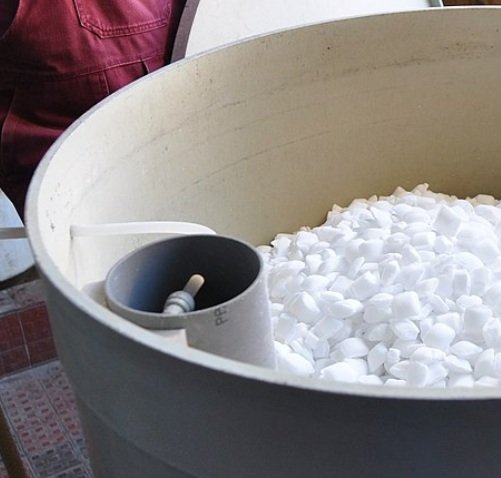
Step 3: Remove Salt – Once the tank is drained, begin the removal of salt. Use a scoop to eliminate the old salt from the tank, taking care to avoid damage to the tank’s interior.
Step 4: Clean the Interior – With the salt removed, it’s time to clean the interior of the brine tank. Using a soft brush and the cleaning solution, scrub the walls and bottom of the tank to remove any buildup or residue from the brine. Rinse well with clean water to dispose of any cleaner remnants.
Step 5: Refill the Tank – Once thoroughly cleaned and dried, refill the brine tank with fresh salt, ensuring you use the appropriate type of salt for your water softening system. This will help maintain optimal performance.
Step 6: Restart the System – After the tank is refilled, turn the water softener back on. Allow it to regenerate to ensure that the new brine solution begins to function properly.
By following these detailed steps, you can ensure that your water softener brine tank is clean and operating efficiently, resulting in better water quality in your home.
Maintaining Your Water Softener for Longevity
Regular maintenance of your water softener brine tank is essential for ensuring optimal performance and longevity of the entire system. It is recommended to clean the brine tank at least once a year or more frequently if you notice signs of buildup or contamination. The cleaning process involves removing any accumulated salt crust, sediment, or debris, which can cause malfunctions or reduce efficiency in the water softener.
One crucial sign to watch for is the presence of visible sludge or a thick layer of brine that forms at the bottom of the tank. This sludge is often a mixture of minerals, salt, and organic materials that can impede the proper functioning of the brine tank. Additionally, if you experience a decline in softened water quality, it may indicate that the brine tank requires immediate attention.
In addition to routine cleanings, consider maintaining optimal salt levels in the brine tank. Keeping the salt level approximately one-quarter full can prevent impurities from forming and help the water softener regenerate effectively. Check the tank regularly for any signs of clogging or issues with the salt bridge, which can block the flow of salt into the water softener and hinder its performance.
Furthermore, inspect the system for leaks or cracks, as these issues can lead to decreased water softener efficacy. Make it a habit to check the unit’s settings and ensure they align with your household’s water usage. Regularly scheduling professional maintenance can provide peace of mind and expertise that bolsters the reliability of your water softener.
By incorporating these practices, you can enhance the performance and extend the lifecycle of your water softener, ensuring that you continually receive high-quality softened water for your home.