How to Check Water Heater Pilot Light Stability
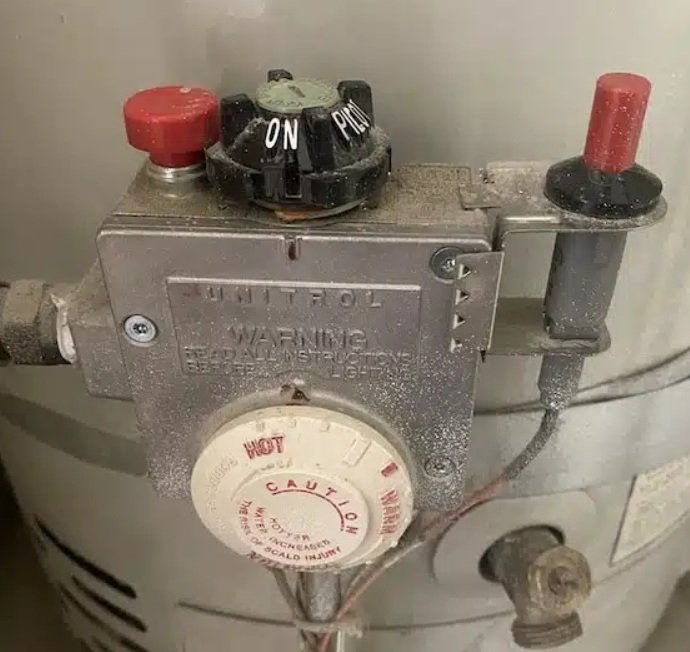
The pilot light is an essential component of a gas water heater, serving as a small flame that initiates the heating process. Its primary function is to ignite the burner when hot water is required, thus maintaining the desired water temperature. Without a properly functioning pilot light, the burner will not ignite, leading to cold water and inefficient heating performance.
Typically, there are two types of pilot lights found in modern gas water heaters: traditional and electronic. A traditional pilot light relies on a continuous flame to ignite the gas, while electronic pilot lights, often referred to as intermittent pilot lights, employ a spark ignition system. Each type has its advantages and drawbacks. For instance, traditional pilot lights offer reliability but consume gas continuously, whereas electronic models are more energy-efficient, igniting only when necessary.
The stability of the pilot light is critical for the efficient operation of a gas water heater. A stable flame ensures that the burner ignites promptly when there is a demand for hot water. Factors such as draft, poor maintenance, or malfunctions in the thermocouple can affect the pilot light’s stability. A fluctuating or extinguished pilot light can cause the water heater to fail to operate effectively, leading to inconsistent water temperatures and increased energy costs due to overlooked maintenance issues.
In conclusion, understanding the pilot light function in a gas water heater is vital for ensuring a reliable hot water supply. Regular checks and maintenance of the pilot light can lead to improved efficiency and longevity of the water heater, ultimately enhancing user satisfaction with their hot water system.
Identifying Signs of an Unstable Pilot Light
The pilot light in a water heater is a crucial component, serving as the ignition source for the burner. An unstable pilot light may lead to inefficient heating or cause the unit to shut down entirely. Understanding the signs of an unstable pilot light is essential for timely intervention and maintenance.
One of the primary indicators of a struggling pilot light is a fluctuating flame color. A healthy pilot light typically burns with a steady blue flame. However, if you observe a flame that is primarily yellow or orange, or if it flickers frequently, this may suggest the presence of dirt or debris in the burner assembly, or even issues related to the gas supply. This color change can indicate incomplete combustion, which warrants further investigation.
Unusual noises are another warning sign to consider. Your water heater should operate quietly; thus, if you hear hissing, popping, or any irregular sounds coming from the unit, it may indicate that the pilot light is struggling to maintain stability. These noises could stem from fluctuations in the gas supply or air mixing incorrectly with the gas, leading to an unstable flame.
Additionally, frequent pilot light outages are a clear signal of instability. If you find that the pilot light goes out repeatedly, it is not just a minor inconvenience but a symptom of a deeper issue, such as issues with the thermocouple or drafts affecting the pilot’s stability. For instance, if the pilot light extinguishes on a windy day, this could point to insufficient shielding or poor installation.
Recognizing these signs early can prevent further complications and ensure the safe and efficient operation of your water heater.
Step-by-Step Guide to Checking Pilot Light Stability
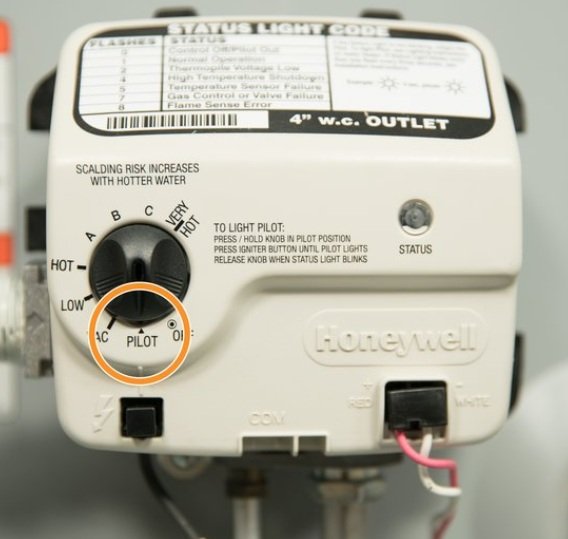
To ensure that your water heater operates efficiently, it is essential to check the stability of the pilot light regularly. This guide outlines the necessary precautions, tools required, and step-by-step instructions to inspect the pilot light and its components effectively.
Before beginning your inspection, gather the following tools: a flashlight, a long-reach lighter or match, a multimeter (if your water heater is equipped with electric components), and safety gloves. Always prioritize safety by ensuring that the gas supply is turned off before starting the inspection process. Moreover, wear appropriate protective gloves to avoid burns and other injuries.
To start, locate the access panel of your water heater, which is typically near the bottom of the unit. Use your flashlight to illuminate the area and inspect the pilot light viewing window. A steady blue flame indicates a stable pilot light, while a yellow or flickering light might signal instability. If necessary, gently ignite the pilot light using your long-reach lighter or a match, following the manufacturer’s guidelines.
Next, check the components surrounding the pilot light, including the thermocouple and burner. The thermocouple should be positioned directly in the flame to ensure an adequate reading. If the pilot light goes out unexpectedly, this may indicate a malfunctioning thermocouple or draft issues. Look for any debris or dust that may obstruct airflow, as this can also impact the pilot light’s stability.
When making adjustments, be sure to follow the manufacturer’s instructions for your specific water heater model. After checking the pilot light and making any necessary adjustments, observe the flame for a few minutes to ensure it remains stable. Regular checks and proper maintenance of the pilot light not only enhance safety but also ensure efficient operation of your water heater.
When to Call a Professional
Recognizing the right moment to call a professional regarding water heater pilot light stability is crucial. While minor issues can often be resolved by homeowners through simple troubleshooting, certain situations demand the expertise of a qualified technician. If you have persisted in attempts to relight the pilot light and it remains unlit after multiple tries, it is advisable to seek professional assistance. Continued failure to ignite may indicate underlying issues that require specialized knowledge.
Another scenario where professional help is necessary is when you detect unusual noises from the heater or smell gas. These signs can indicate severe operational problems such as gas leaks, faulty thermocouples, or even issues with the gas supply. Attempting to address these situations without proper training can pose significant risks, including potential explosions or carbon monoxide poisoning. Therefore, prioritizing safety is essential.
When determining whether to reach out to a technician, consider the age and maintenance history of your water heater. Older units may exhibit a range of complexities due to wear and tear. If your heater has not been serviced within the last year, a thorough checkup by a professional may be prudent to ensure compliance with safety standards and operational efficiency. Additionally, if modifications or replacements are needed, such as gas lines or venting systems, professional intervention is mandatory.
In summary, understanding when to call a professional is vital for maintaining water heater performance and ensuring safety. Addressing complex issues related to pilot lights can significantly impact household safety and efficiency. Finding a qualified technician is relatively straightforward; look for licensed professionals with expertise in water heaters, seeking recommendations or checking reviews for trusted service providers in your area.