How Softened Water Can Boost Your Energy Savings
Softened water is water that has undergone a treatment process designed to reduce its mineral content, primarily calcium and magnesium ions, which are prevalent in hard water. The presence of these minerals in hard water can lead to a variety of issues including scale buildup in plumbing, reduced appliance efficiency, and increased detergent usage when washing or cleaning. In contrast, softened water is less likely to produce scale and can enhance the efficiency of heating systems, dishwashers, and water heaters.
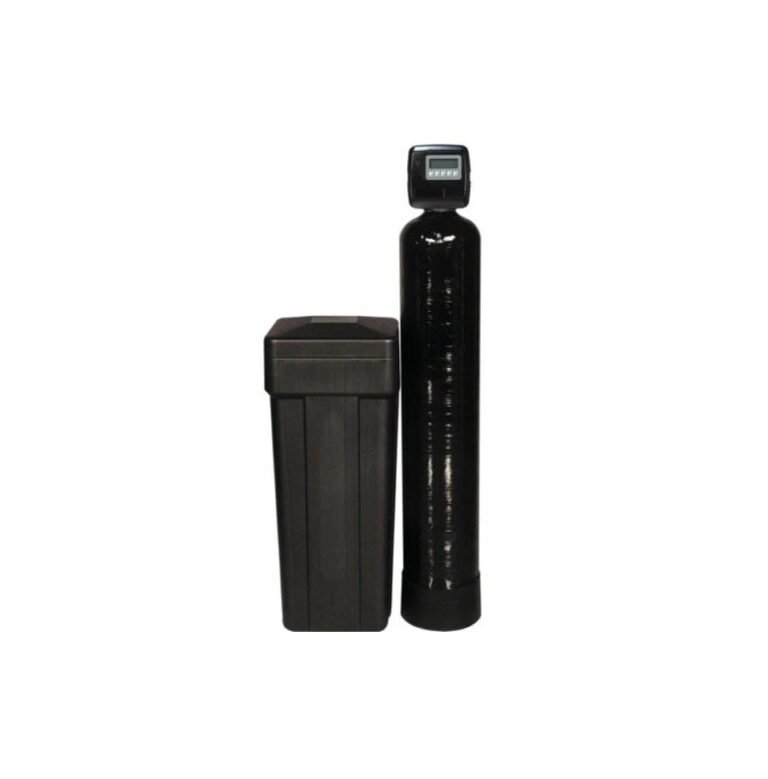
The process of softening water generally involves a method called ion exchange. In this process, hard water passes through a resin that has been charged with sodium ions. As the hard water flows through the resin, the calcium and magnesium ions in the water are exchanged for sodium ions, effectively removing the hardness. This not only improves the quality of the water but also protects plumbing systems and appliances from the damaging effects of scale.
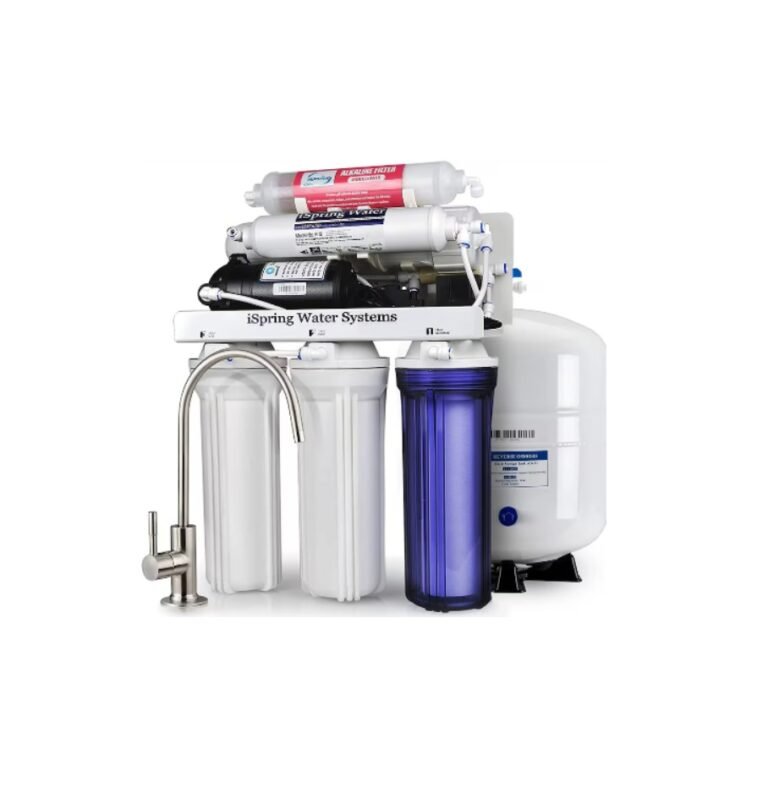
There are other methods of water softening as well, although ion exchange is the most common. For instance, reverse osmosis is another technique that can be used to soften water by filtering out minerals. However, ion exchange remains popular due to its cost-effectiveness and efficiency in reducing the hardness of water. Understanding the distinction between hard and softened water is crucial for homeowners looking to enhance the efficiency of their water systems and reduce energy consumption. By recognizing the benefits of softened water, individuals can make informed decisions about water treatment solutions that contribute to energy savings and improved household performance.
The Impact of Hard Water on Energy Efficiency
Hard water poses significant challenges for households, particularly impacting energy efficiency through the inefficient functioning of essential appliances. One of the primary issues associated with hard water is the formation of scale buildup, which occurs when minerals such as calcium and magnesium precipitate out of the water. This mineral accumulation can significantly hinder the performance of water heaters, dishwashers, and other appliances, ultimately leading to increased energy consumption and higher utility bills.
Water heaters are particularly susceptible to the negative effects of hard water. Over time, scale deposits can form on heating elements, reducing their efficiency. As a result, the water heater must work harder to achieve the desired temperature, leading to increased energy use. Studies have shown that scale buildup can reduce the efficiency of water heaters by up to 30%. This inefficiency can translate into significant energy costs, especially in households that rely heavily on hot water.
Similarly, dishwashers also face performance issues due to hard water. The accumulation of mineral deposits can clog spray arms, reduce water flow, and decrease the effectiveness of detergent. Consequently, dishwashers require longer cycles and more energy to clean dishes effectively. In fact, it has been estimated that households with hard water experience a 15-25% increase in energy consumption for dishwashing, leading to elevated operating costs over time.
Moreover, a survey conducted by the Water Quality Association indicates that nearly 85% of American households are affected by hard water, resulting in considerable energy loss nationwide. This statistic underscores the widespread prevalence of hard water and its detrimental effect on energy efficiency. By recognizing these challenges, homeowners can take proactive steps to mitigate the impacts of hard water on their energy consumption.
Benefits of Using Softened Water for Energy Savings
Utilizing softened water in households and commercial settings presents a range of benefits that contribute to improved energy savings. One of the primary advantages is the significant reduction of scale buildup in plumbing systems and appliances. Hard water contains high levels of minerals, such as calcium and magnesium, which can lead to scale accumulation over time. This buildup not only reduces the efficiency of water-related appliances but can also lead to costly repairs. Softened water, being low in these hard minerals, helps maintain cleaner pipes and appliances, ensuring optimal flow and function.
When it comes to energy efficiency, softened water plays a critical role in enhancing the operational costs of appliances. For instance, water heaters and dishwashers often require more energy to operate effectively when faced with the challenges of hard water. The presence of scale can coat heating elements, making them work harder to heat water, thus increasing electricity or gas consumption. By switching to softened water, the heating efficiency of these devices improves, leading to decreased utility bills over time.
Furthermore, the use of softened water can extend the lifespan of kitchen and bathroom fixtures substantially. Hard water can lead to unsightly staining and mineral buildup on faucets, showerheads, and sinks, resulting in both aesthetic and functional issues. Softened water diminishes these concerns, contributing to longer-lasting fixtures that maintain their usability and appearance over the years. In summary, switching to softened water not only enhances household energy efficiency but also reduces maintenance costs and appliance replacements, providing long-term financial benefits for consumers.
Tips for Implementing a Water Softening System
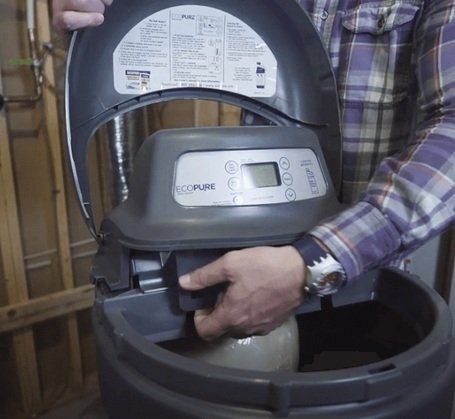
Implementing a water softening system can significantly enhance your home’s energy efficiency and reduce utility bills. When deciding on a water softener, the first consideration is the type of system that best suits your needs. There are primarily two categories: ion-exchange water softeners and salt-free systems. Ion-exchange systems replace hard minerals like calcium and magnesium with sodium ions, effectively softening water, while salt-free systems utilize a different technology to alter the structure of minerals, preventing scaling without removing hard water minerals.
Before making a selection, it’s essential to understand the quality of water you receive. Conducting a water quality test can help determine the hardness level and guide you in choosing an appropriate softening system. Additionally, consider the capacity of the softener to ensure it meets your household’s water usage needs. Higher capacity models may be necessary for larger families, which can handle more water and require less frequent regeneration.
Maintenance is another vital aspect of managing a water softener. Regularly check the salt levels in the ion-exchange system and add more salt as needed, typically every couple of months. It is also advisable to schedule annual maintenance checks with professionals to ensure that the unit operates efficiently and any issues are promptly addressed. Some systems may have built-in regeneration cycles or alerts when maintenance is required, simplifying the upkeep process.
Costs for water softening systems can vary widely depending on the type and model. On average, a basic system may start around $400, while high-performance units can reach upwards of $2,000 or more when installation and maintenance are factored in. For optimal results, consulting with plumbing professionals for installation can ensure the system is set up correctly, contributing to energy savings and overall home efficiency.