How RO Systems Protect Drinking Water Quality
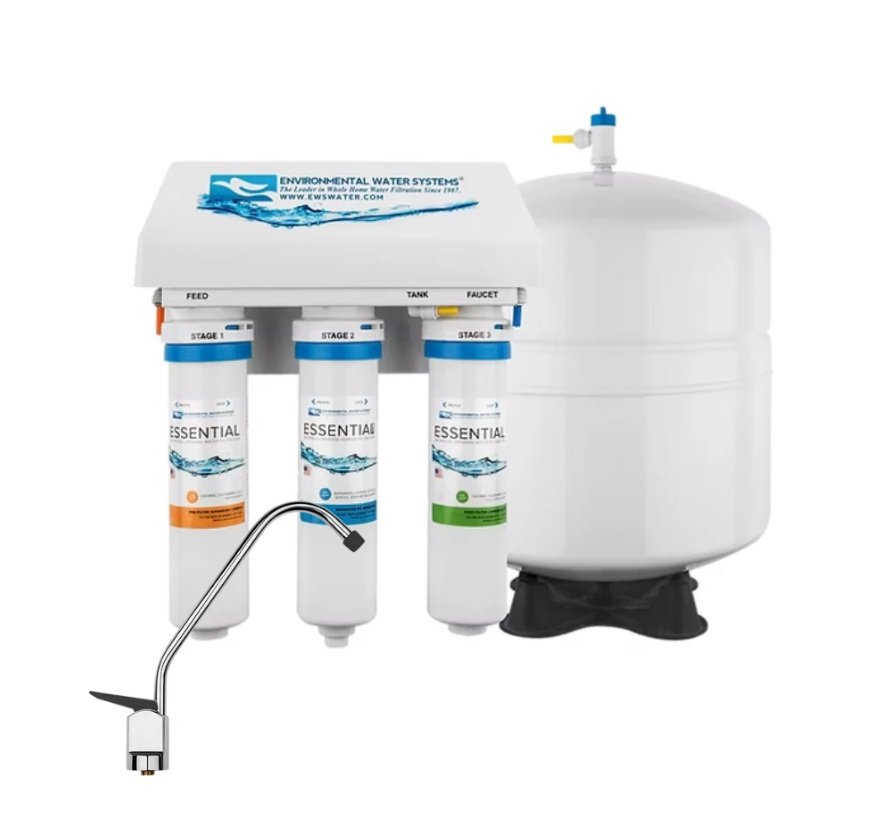
Reverse osmosis (RO) is a water purification process that employs a semi-permeable membrane to remove impurities from water. This technology is particularly effective in enhancing drinking water quality by eliminating a wide range of contaminants, including salts, bacteria, and various organic materials. The fundamental principle behind reverse osmosis is the process of osmosis, which describes the movement of water through a membrane from an area of lower solute concentration to an area of higher solute concentration. In reverse osmosis, this process is effectively inverted.
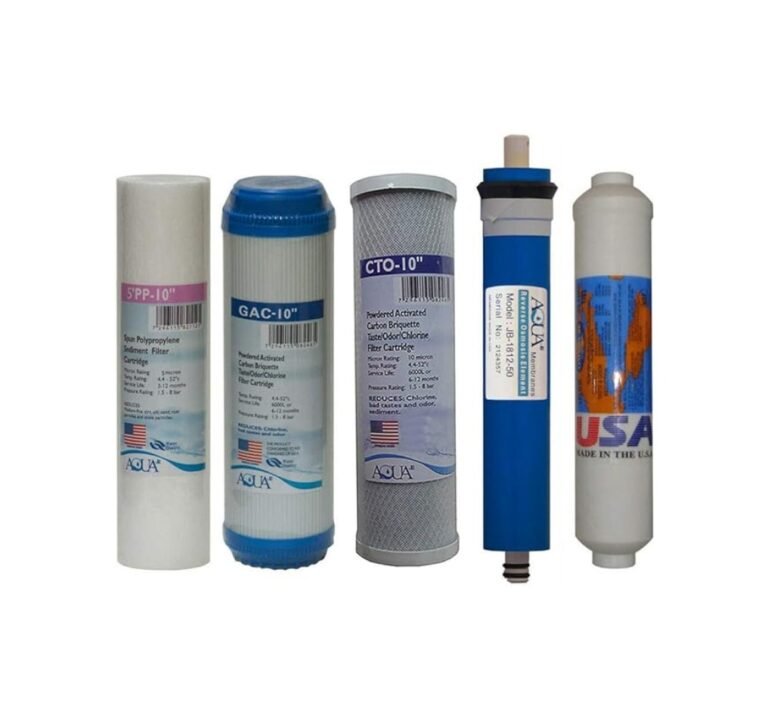
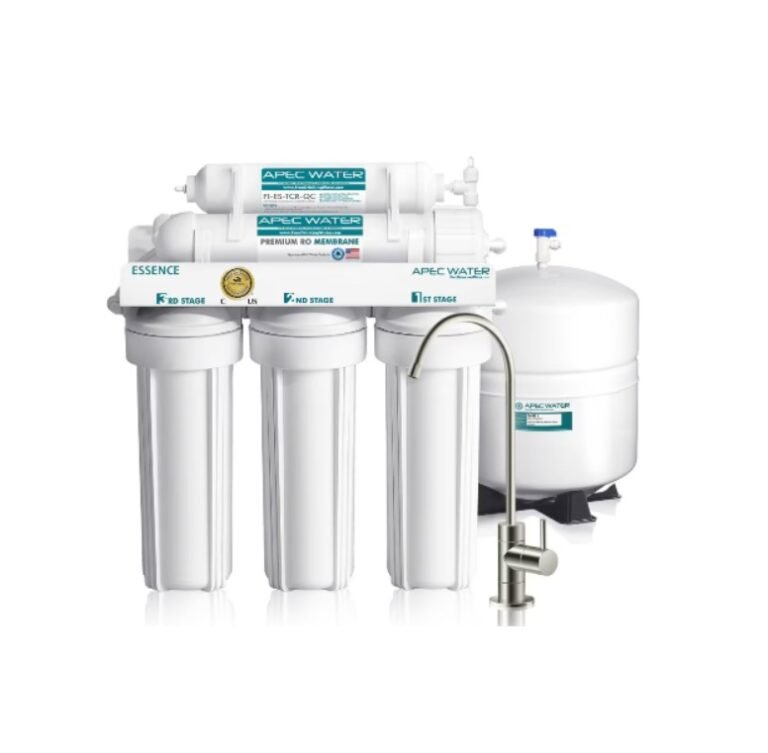
During RO, water is pressurized and forced through a semi-permeable membrane that has very small pores. These pores allow water molecules to pass through, while blocking contaminants that are larger than a water molecule. As a result, the output is much cleaner and purer water, which is crucial for maintaining high drinking water quality. The effectiveness of RO systems is further enhanced by a series of pre-filters and post-filters that may include activated carbon filters to remove chlorine, taste, odor, and other impurities that could potentially harm the RO membrane.
Contaminant removal is critical in reverse osmosis systems, as they are designed to target a range of pollutants, including heavy metals such as lead and mercury, nitrates, and even some viruses and bacteria. The removed contaminants are flushed away, ensuring that only purified water is retained. The overall efficiency of this system in reducing harmful substances is a key reason why it has gained popularity in both residential and commercial applications.
Understanding the mechanics of reverse osmosis provides insight into its effectiveness as a water purification method. By utilizing the scientific principles of osmosis and leveraging advanced filtration technologies, RO systems significantly contribute to improving and protecting the quality of drinking water.
Common Contaminants in Drinking Water and Their Health Impacts
Drinking water quality can be compromised by a variety of contaminants, each posing significant health risks. Among the principal pollutants, heavy metals are prevalent, including lead, arsenic, and mercury. Lead exposure, even in small amounts, can result in developmental issues and neurological damage, particularly in children. Arsenic is linked to skin lesions, internal cancers, and developmental effects, while mercury can adversely affect the kidneys and the nervous system.
In addition to heavy metals, microbiological contaminants such as bacteria and viruses pose serious threats to health. Common bacteria like E. coli and Salmonella can cause gastrointestinal diseases, leading to symptoms such as vomiting, diarrhea, and fever. Viruses such as norovirus and Hepatitis A can be transmitted through contaminated water, with the potential for severe outbreaks and health complications.
Chemical pollutants, often stemming from agricultural runoff, industrial discharges, and water treatment processes, also significantly compromise drinking water quality. Pesticides and herbicides permeate water sources, leading to short-term symptoms such as headaches and dizziness, and long-term exposure has been linked to various chronic diseases, including cancer and endocrine disruption.
The presence of such contaminants underlines the critical importance of adhering to safe drinking water standards. Monitoring and purifying water supplies are essential to mitigate these risks, ensuring safe access to clean water for all. This is where reverse osmosis (RO) systems become invaluable, as they effectively remove numerous contaminants, providing a reliable solution to protect drinking water quality and, consequently, public health.
The Benefits of Installing RO Systems for Home and Community Use
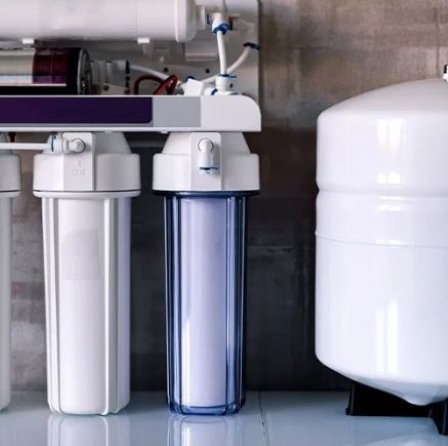
Reverse Osmosis (RO) systems have become increasingly popular for both residential and community applications, given their numerous advantages in ensuring water quality. One of the most significant benefits of installing an RO system is the marked improvement in the taste and odor of drinking water. Natural minerals can sometimes impart unusual flavors and smells to water, and RO systems effectively remove these unwanted substances, resulting in clean and refreshing water which is enjoyable for all users.
In addition to enhancing taste, RO systems are specifically designed to reduce harmful contaminants present in drinking water. These systems can significantly lower levels of chlorine, lead, nitrates, and other pollutants commonly found in municipal supplies. By doing so, RO technology not only improves the quality of drinking water but also mitigates potential health risks associated with contaminated sources. The removal of these harmful substances is particularly essential for vulnerable populations, such as children and the elderly, who may be more susceptible to the adverse effects of contaminated water.
From a financial perspective, while the initial investment in an RO system may appear substantial, it often proves to be a cost-effective solution over time. Homeowners may realize savings by reducing reliance on purchased bottled water or by minimizing health-related costs linked to waterborne illnesses. Furthermore, community installations can foster economies of scale, making high-quality water more accessible and affordable to larger populations.
Ultimately, the installation of RO systems contributes positively to public health. By providing cleaner and safer drinking water, these systems not only promote individual well-being but also encourage a healthier community. Ensuring that all residents have access to high-quality water reinforces the importance of investing in RO technology as a fundamental strategy for maintaining water quality.
Maintaining and Choosing the Right RO System for Your Needs
When selecting a Reverse Osmosis (RO) system, it is essential to assess both your individual and community water purification requirements. A well-chosen RO system can significantly enhance drinking water quality by effectively removing impurities. Consider the system’s capacity to meet your home or community’s water needs. For example, smaller households may require a compact model, while larger families or businesses may need a more extensive system capable of producing higher volumes of purified water.
Another crucial aspect is the system’s certifications. Look for RO systems certified by reputable organizations, as these certifications ensure that the system is capable of removing specific contaminants from your water supply. This can help build trust in the system’s effectiveness and longevity. Additionally, user reviews can provide valuable insights into the reliability and performance of various RO systems, allowing potential buyers to make informed selections.
Maintenance is also a critical component of ensuring the longevity of your RO system. Regular upkeep, which includes changing filters and sanitizing components, can significantly enhance system efficiency. It is advisable to replace the pre-filters and membrane at recommended intervals, as this prevents clogs and maintains water quality.
Moreover, consider aspects like the noise level, ease of installation, and whether the system comes with a warranty before making a purchase decision. Selecting an RO system with easy-to-follow maintenance guidelines can make routine care less daunting. By taking these factors into account, you can choose an RO system tailored to your needs while ensuring continued access to high-quality drinking water.