How Often Should You Test Your Water at Home?
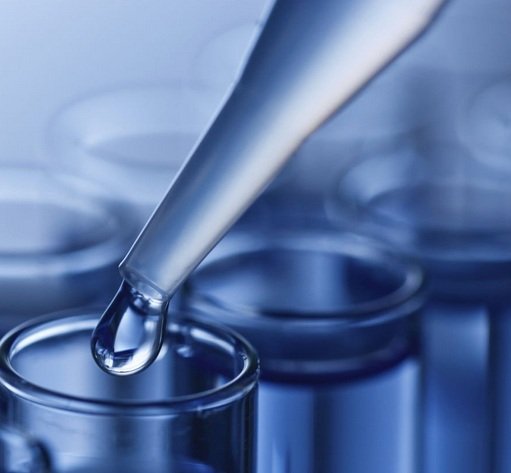
Water testing is a critical practice for ensuring the health and safety of our drinking water. Regular assessment of household water not only safeguards human health but also protects household appliances, which can be adversely affected by water quality. The presence of contaminants—such as heavy metals, bacteria, and chemicals—can pose serious risks. For instance, lead leaching from old pipes can lead to serious neurological issues, particularly in children. Moreover, pathogens present in water can cause gastrointestinal diseases, leading to a myriad of health complications.
The implications of poor water quality extend beyond human health. Contaminants like calcium and magnesium can result in hard water, which may leave residue in pipes and appliances, leading to reduced efficiency and lifespan. This not only results in increased maintenance costs but also escalates energy consumption. Consequently, ensuring that water is of high quality can prolong the life of appliances and reduce the overall cost of utilities.
Furthermore, the importance of water testing is underscored by environmental factors and geographical variations in water sources. Pollutants from industrial activities and agricultural runoff can compromise local water supplies, and these contaminants can differ significantly from one location to another. Therefore, by regularly testing your water, you gain valuable insight into its quality and safety, allowing for timely intervention if any issues are identified.
In essence, consistent water testing serves as a preventive measure that fosters well-being and promotes a safe living environment. It empowers homeowners by enabling them to make informed decisions about their water consumption, while also contributing to the maintenance of essential household systems. Ultimately, the investment in regular water quality assessments is a fundamental aspect of responsible home management.
Factors Influencing Testing Frequency
When determining how often to test your water at home, several key factors must be considered. The most significant of these is the source of your water supply. If you rely on a private well, you are responsible for ensuring its safety and quality, which often necessitates more frequent testing, typically every 6 to 12 months. In contrast, if your water supply is municipal, the local water authority conducts routine testing, which could mean that individual testing is less frequent, commonly recommended once a year or as specified by local guidelines.
Local regulations also play a crucial role in dictating testing frequency. Various states or municipalities may implement specific requirements that mandate homeowners to test their water under certain conditions, such as after a flood or in areas susceptible to contamination. It is essential to stay informed about any local statutes or guidelines, as adherence to these can ensure your water remains safe to drink.
Seasonal changes may impact water quality as well. For instance, heavy rains and flooding can introduce contaminants into well water, prompting the need for immediate testing following such events. Additionally, during the summer months, when water usage tends to increase due to gardening or recreational activities, it may also be prudent to test your water more frequently. Monitoring household water usage patterns, particularly if you have recently made changes—like installing a treatment system or experiencing increased consumption—can also influence the need for testing.
Ultimately, understanding these factors can aid in determining an appropriate testing schedule tailored to your specific situation. By regularly assessing these influences, you can maintain safe drinking water and protect your household’s health.
Recommended Testing Schedule
Testing the quality of water is an essential aspect of ensuring health and safety for household use, swimming, and drinking. The recommended schedule for testing varies depending on the source of the water. This section outlines a practical approach for testing well water, municipal water, and swimming pools.
Well Water: Homeowners who rely on well water are generally advised to conduct testing at least once a year. This should include tests for bacteria, nitrates, and any contaminants that may affect water quality. However, if you detect any changes in taste, odor, or appearance, immediate testing is recommended. Additionally, after heavy rainfall or flooding, a more frequent testing schedule may be necessary to ensure water safety.
Municipal Water: For households supplied by municipal water systems, testing can typically be less frequent. Annual testing for lead and other specific contaminants is advisable, as municipalities are responsible for monitoring water quality. However, users should remain vigilant and consider testing following any major plumbing work or alterations in the service lines, which could introduce potential contaminants.
Swimming Pools: Maintaining the water quality of swimming pools demands a more regular testing schedule. Testing should occur at least once a week to monitor pH levels, chlorine content, and other chemical balances. Furthermore, following heavy usage, extreme weather conditions, or visible changes in water clarity, more frequent testing should be conducted to ensure the safety of swimmers.
Incorporating a calendar-style layout for this testing schedule can facilitate planners to track their testing activities easily. Marking specific months for various water types can help promote consistent monitoring and timely action when necessary.
How to Test Your Water: Methods and Resources
Testing your water at home is essential for ensuring its safety and quality. There are various methods available, each with its unique advantages and drawbacks. One of the most accessible ways to test your water is through the use of DIY test kits. These kits are available online or at local hardware stores and typically include tools to check for common contaminants such as lead, bacteria, and chlorine. They come with easy-to-follow instructions and are designed for non-experts. By utilizing these kits, homeowners can obtain quick results without the need for specialized knowledge.
For those seeking more comprehensive analysis, professional water testing services are recommended. These services provide a detailed assessment of water quality, incorporating lab-grade testing for a wider range of contaminants. Engaging a professional service can give you peace of mind knowing that an expert assesses your water quality. Additionally, many professionals offer consultation services to help interpret results and suggest necessary actions.
When interpreting test results, understanding what different measurements mean is crucial. For instance, knowing the acceptable limits for various contaminants as outlined by the Environmental Protection Agency (EPA) can help you gauge whether your water quality meets safety standards. Resources like the EPA’s website or local health departments can provide valuable information regarding acceptable contaminant levels in your area.
Lastly, consider checking state regulations and guidelines regarding water testing. Some regions may have specific requirements or recommendations for homeowners in maintaining water quality. Equipping yourself with the right information and resources will empower you to take meaningful action toward ensuring safe drinking water for you and your family.