How a Water Softener Saves You Money Over Time
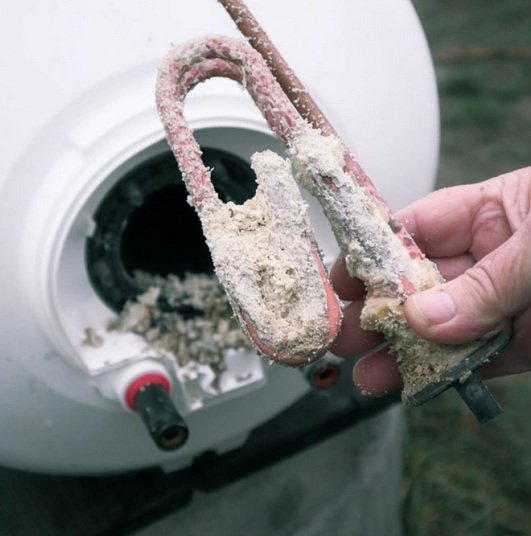
Hard water is water that contains a high concentration of dissolved minerals, primarily calcium and magnesium. While hard water is not detrimental to health, it poses several challenges for homeowners, often translating into increased household expenses. One of the most significant impacts of hard water is on plumbing systems. Over time, mineral buildup can clog pipes, leading to decreased water flow. This corrosion can necessitate frequent repairs, which adds to the financial burden of maintaining a home.
Moreover, the presence of hard water affects the performance and longevity of household appliances. Water-using appliances, such as dishwashers and washing machines, may suffer from scale buildup, which can hinder their efficiency. This not only leads to increased energy consumption but may also result in premature wear and tear. Consequently, homeowners face higher repair costs as well as the need for earlier replacement of these appliances.
Hard water also impacts cleaning supplies and personal care products. When washing clothes, hard water can cause fabrics to wear out faster and make them appear dingy, necessitating the use of more detergent than usual. Similarly, when bathing or showering, minerals in hard water can adversely affect the lather and effectiveness of soaps and shampoos, requiring consumers to purchase additional cleaning products. This increase in cleaning-related expenses can accumulate and significantly affect a household’s budget over time.
The comprehensive financial burden associated with hard water encompasses plumbing repairs, appliance replacements, and increased cleaning supply costs. On evaluating these expenses, it becomes evident that addressing hard water issues early on can lead to significant savings and preserve the integrity of home systems.
How Water Softeners Work
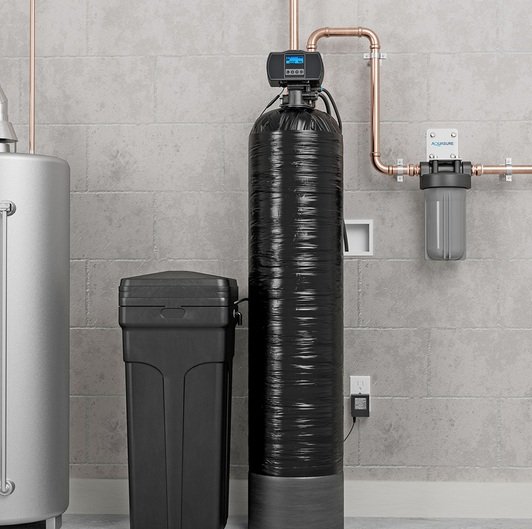
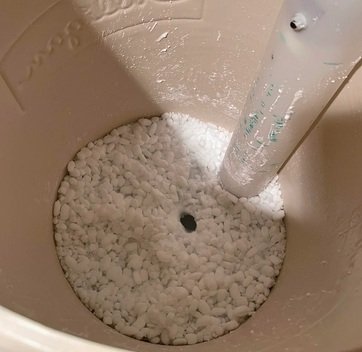
Water softeners are innovative devices designed to combat the adverse effects of hard water, which is characterized by high levels of calcium and magnesium ions. The primary mechanism through which water softeners operate is known as the ion exchange process. During this process, hard water passes through a resin bed within the water softener unit. The resin beads are coated with sodium ions, which have a higher affinity for the exchange compared to calcium and magnesium.
When hard water travels through the resin, the calcium and magnesium ions are attracted to the resin beads, displacing the sodium ions. As a result, the hard water is transformed into ‘soft’ water, which has significantly reduced hardness levels. This softened water is less likely to cause scale buildup on plumbing fixtures, appliances, and pipes, thus prolonging their lifespan and enhancing overall efficiency.
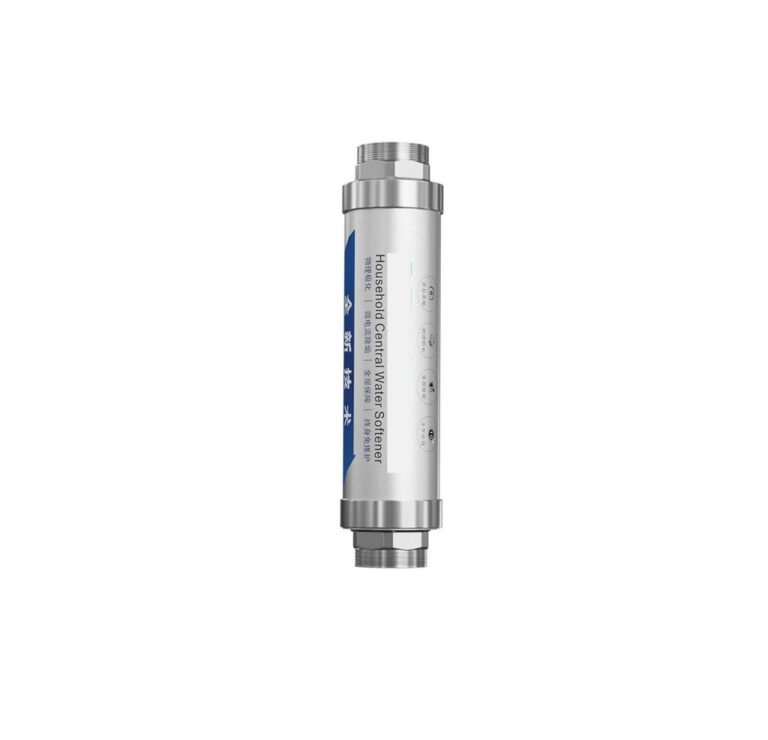
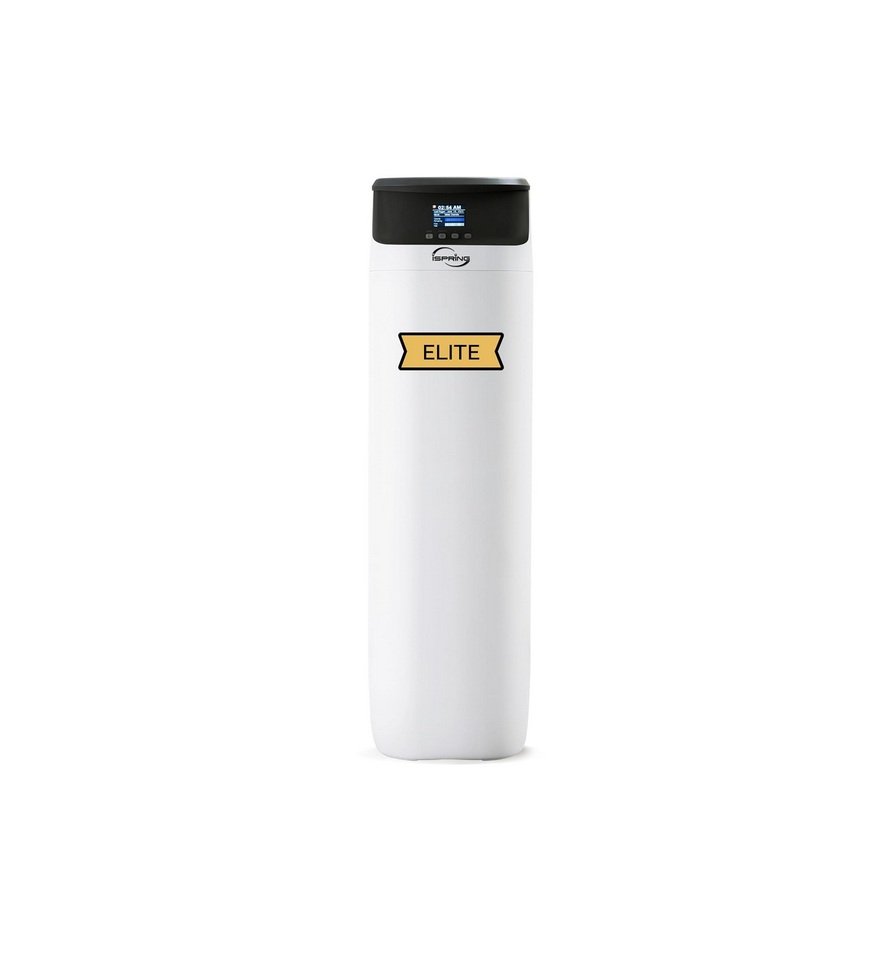
There are several types of water softeners available on the market, including salt-based softeners, salt-free systems, and dual-tank systems. Salt-based softeners are the most common type and effectively remove hardness through the ion exchange process described earlier. Salt-free systems, on the other hand, utilize a different method known as template-assisted crystallization to prevent scale formation without actually removing the hardness minerals. Dual-tank systems allow for continuous soft water supply by alternating between two resin tanks, ensuring that one tank can regenerate while the other is in use.
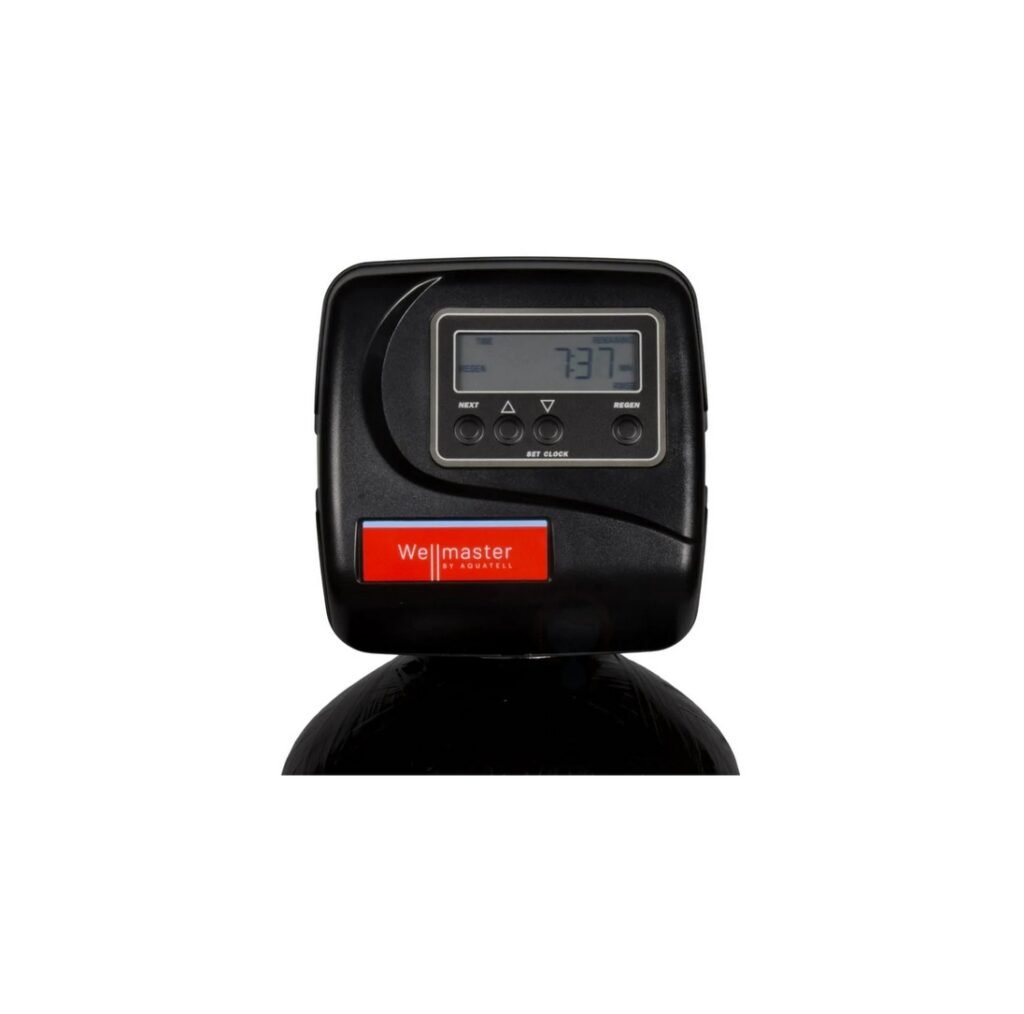
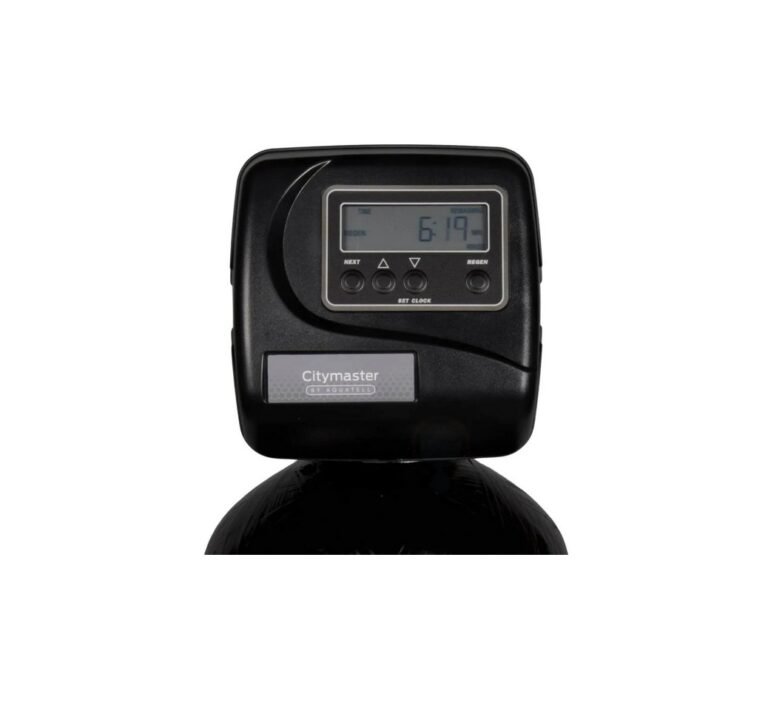
Installing a water softener typically involves positioning the unit at the main water supply line, allowing it to treat all water entering a home or building. The installation process may require some plumbing work, but many homeowners opt for professional installation to ensure optimal functionality. By understanding how water softeners operate and the various types available, individuals can make informed decisions about addressing hard water issues in their households.
Investing in a water softener can lead to substantial long-term financial savings for homeowners. One of the most immediate benefits observed is a decrease in the amount of soap and detergents required for daily cleaning tasks. Hard water requires significantly more cleaning products for effective results, as the minerals in hard water can hinder their efficacy. By using a water softener, homeowners can reduce their annual expenditure on soap and detergents by up to 50%. This not only translates into direct savings, but it also benefits the environment by reducing the amount of chemicals released into wastewater systems.
Moreover, the longevity of plumbing systems and household appliances is positively impacted by the use of soft water. Hard water contributes to the buildup of scale in pipes and appliances, which can lead to costly repairs or even complete replacements. By eliminating this issue, water softeners shield valuable investments such as water heaters, dishwashers, and laundry machines from wear and tear. Studies have shown that these appliances can last up to 30% longer when supplied with soft water, which can represent significant savings over the lifespan of these devices.
Energy efficiency is another crucial factor to consider when evaluating the financial benefits of water softeners. Appliances that use soft water generally operate more efficiently than those using hard water. For instance, water heaters that are fed with soft water require less energy to heat the same volume of water compared to their hard water counterparts, thus leading to lower utility bills. Overall, while the initial investment in a water softener may seem steep, the cumulative savings from reduced soap usage, enhanced appliance longevity, and energy efficiency make it a financially sound choice for many homeowners.
Conclusion: Investing in Your Home’s Future
In considering the benefits of a water softener, it becomes clear that this investment is not merely a short-term solution, but rather a strategic decision that can lead to substantial long-term savings. While the initial expenditure for a water softening system might seem significant, the cumulative financial benefits manifest over time, making it an economically sound choice for homeowners.
Water softeners effectively reduce the adverse effects of hard water, which can cause scale build-up in plumbing and appliances. Over time, this scale can lead to costly repairs and replacements, as well as increased energy consumption due to decreased efficiency. By investing in a water softener, homeowners can alleviate these issues, securing a longer lifespan for their plumbing systems and appliances. This longevity translates into direct savings, as fewer repairs and replacements are necessary.
Moreover, soft water enhances the efficacy of soaps and detergents, leading to lower consumption of these products. This not only results in financial savings at the grocery store but also benefits the environment by reducing chemical runoff. Additionally, household maintenance costs can decrease significantly as soft water is gentler on fixtures and fabrics, preserving their quality and prolonging their use.
Ultimately, the decision to install a water softener is a forward-thinking one. It encourages consideration of both immediate expenses and the potential for long-term savings. The benefits of improved water quality, enhanced appliance performance, and reduced maintenance costs underscore the cost-effectiveness of water softeners. By recognizing these advantages, homeowners can better appreciate how investing in water softening solutions contributes positively to their financial future and overall quality of life.