Expert Advice: Selecting the Best Water Heater for Your Home
When selecting a water heater, understanding your family’s hot water needs is crucial. Evaluating factors such as household size, peak usage times, and the number of appliances that require hot water will provide clarity on the type of heating system best suited for your home. This assessment leads to the informed selection of a heater that can consistently deliver an adequate supply of hot water.
Firstly, consider the size of your household. The greater the number of occupants, the higher the demand for hot water. Generally, a household of four may require anywhere from 40 to 60 gallons of hot water per day, depending on personal habits and use. Additionally, it is essential to factor in peak usage times when the majority of family members are likely to need hot water simultaneously, such as during morning or evening routines.
The number of appliances directly tied to hot water consumption, including dishwashers, washing machines, and showers, also plays a significant role in assessing your needs. Each appliance has its own flow rate, measured in gallons per minute (GPM). For example, a showerhead usually has a flow rate of 2.5 GPM, while a washing machine typically ranges from 2 to 3 GPM. By evaluating the collective flow rates of all appliances used concurrently, you can ascertain your household’s peak hot water demand.
For most homes, a water heater needs to supply enough GPM for simultaneous usage, which leads to selecting the appropriate type of system. Traditional tank water heaters may be more suitable for larger households that consume large quantities of hot water, while tankless or on-demand water heaters could efficiently meet the needs of smaller families or less frequent users. Therefore, comprehensive knowledge of your hot water needs is essential for selecting a water heater that ensures both comfort and efficiency.
Types of Water Heaters: Pros and Cons
When selecting a water heater for your home, it is essential to consider various types available in the market. The main categories include tank-style heaters, tankless models, heat pump heaters, and solar water heaters. Each type comes with its own set of advantages and disadvantages, ensuring that homeowners can make informed decisions based on their needs and budget.
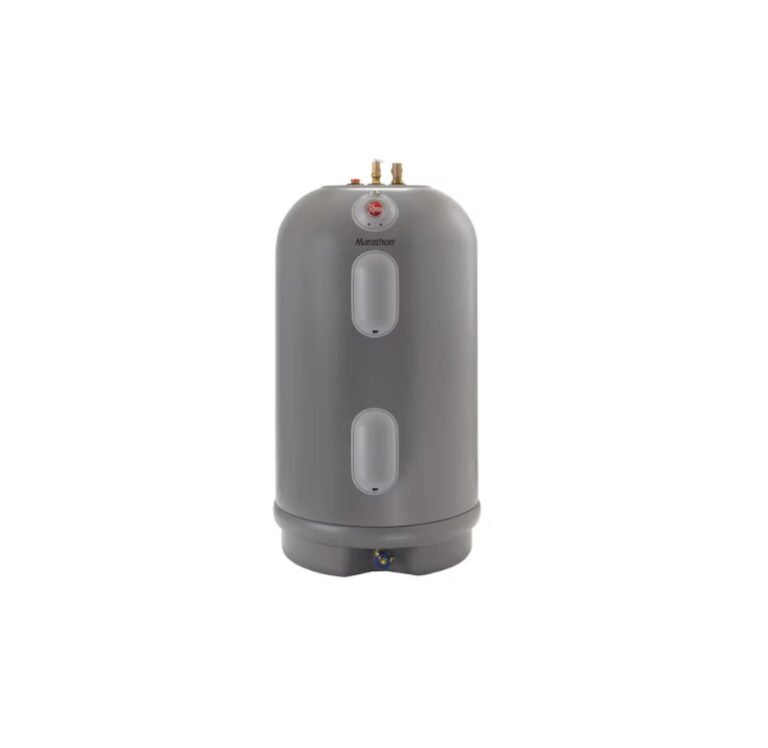
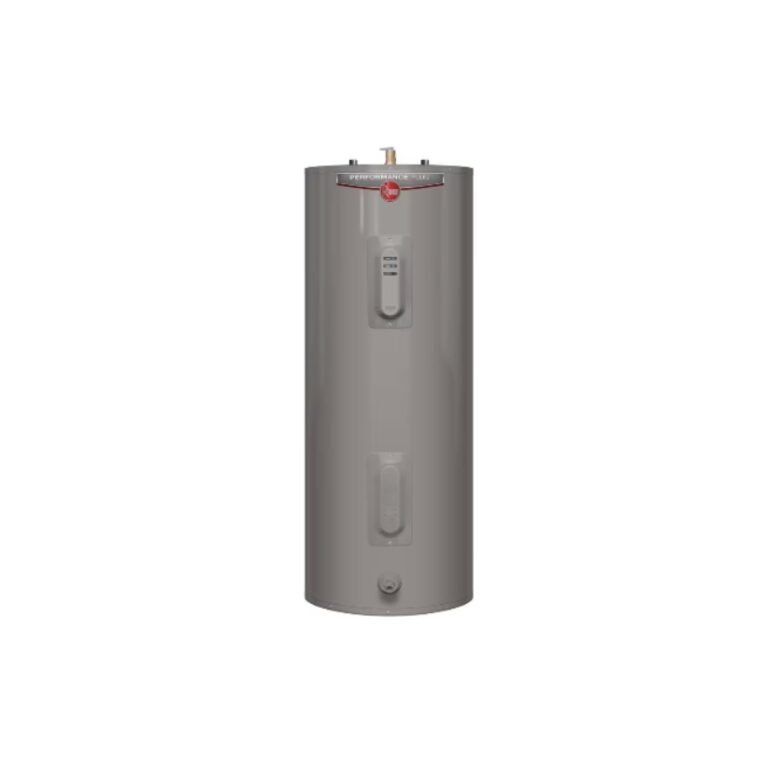
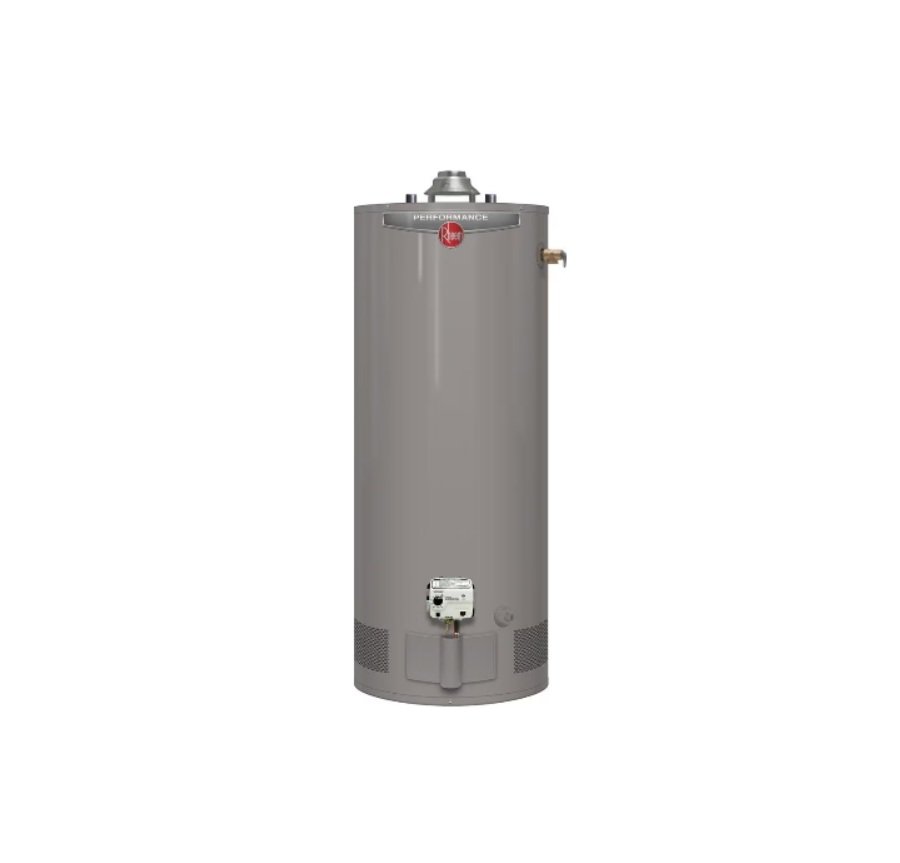
Tank-style Water Heaters: These traditional heaters are characterized by their large storage tanks that hold several gallons of heated water. One significant advantage is their lower initial cost, making them a popular choice among homeowners. However, they require ample space for installation and can lead to higher energy bills due to standby heat loss when the stored water cools. Energy efficiency ratings for these heaters typically range from .50 to .95.
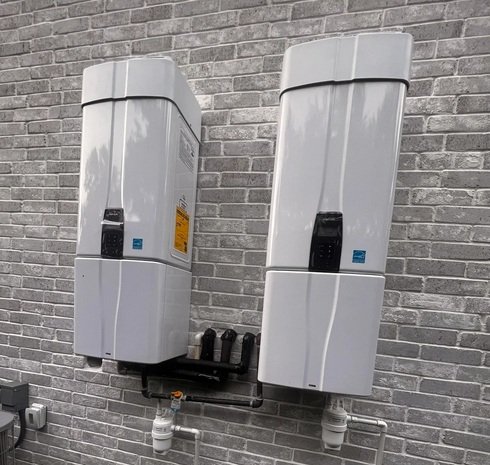
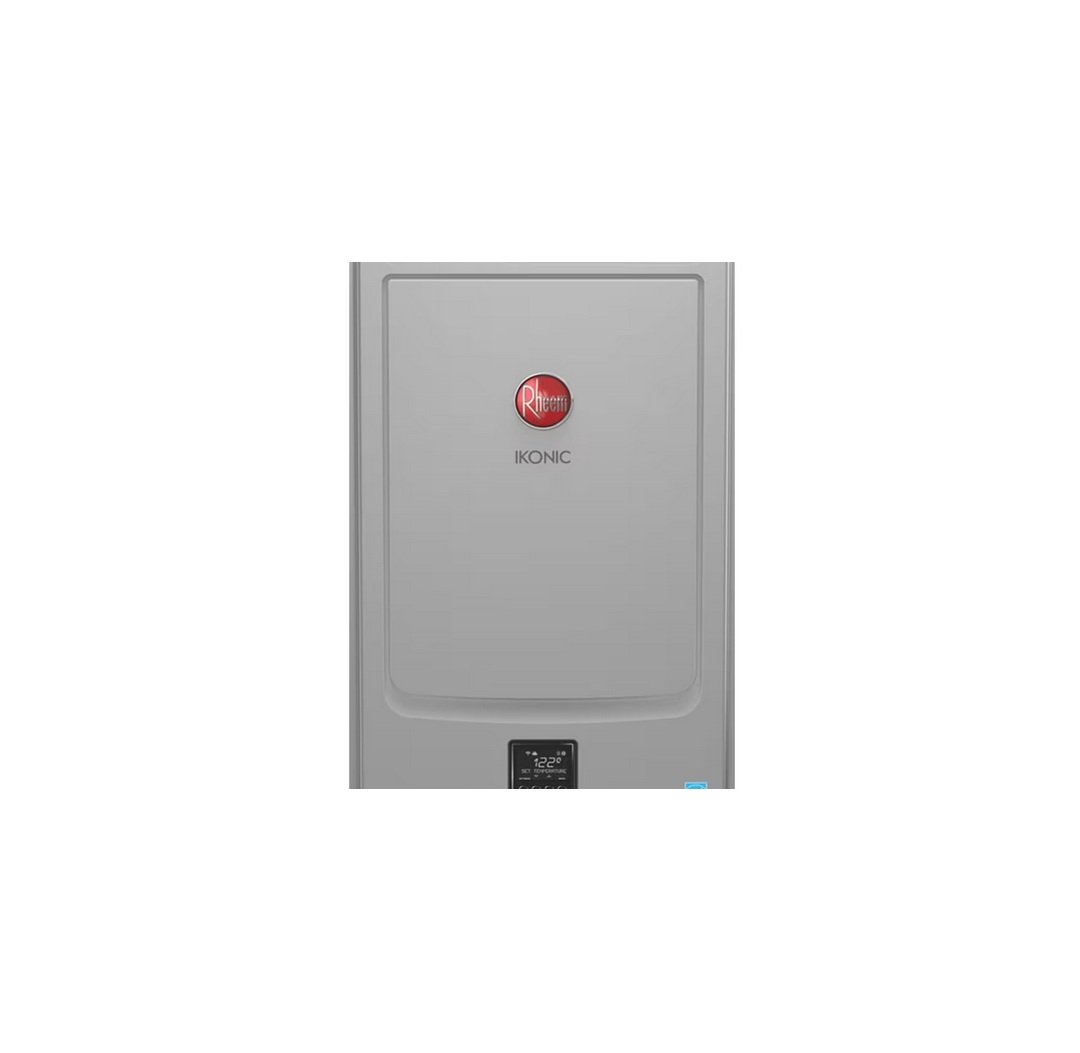
Tankless Water Heaters: Also known as on-demand heaters, these systems heat water directly without the need for a storage tank. Their main benefit lies in their energy efficiency, as they only operate when hot water is needed. This results in lower energy bills over time. However, they may struggle to meet high demand situations, such as multiple simultaneous showers. Energy efficiency ratings often exceed .95.
Heat Pump Water Heaters: These units utilize electricity to move heat from the air or ground to heat water, making them highly energy-efficient. They often provide lower operating costs but may have a higher upfront price. Heat pump water heaters work best in moderate climates and require at least 1,000 cubic feet of air space around them for optimal operation, making them less suited for smaller homes.
Solar Water Heaters: Utilizing renewable energy from the sun, these systems can significantly decrease utility bills and reduce environmental impact. While the investment cost can be substantial, incentives and long-term savings often justify this expense. However, their efficiency is heavily dependent on geographic location and available sunlight, requiring backup systems in cloudy climates.
Energy Efficiency and Cost Considerations
When selecting a water heater for your home, energy efficiency is a crucial factor to consider. Energy-efficient water heaters consume less energy, translating into lower utility bills over time. To evaluate the efficiency of these systems, one can reference the Energy Factor (EF) rating. This rating measures a water heater’s ability to convert energy into hot water and provides a reliable indicator of its efficiency. Higher EF ratings signify a more efficient appliance, which can have a substantial impact on long-term operating costs.
While the initial purchase price of high-efficiency models may be higher than that of conventional options, it is essential to assess the overall cost-effectiveness. Over time, energy savings can offset the initial expenditure, leading to a favorable return on investment. For instance, a water heater with a high EF rating may cost slightly more upfront, but the savings accrued from reduced energy consumption can lead to significant savings in household budgets.
Additionally, homeowners should explore potential rebates or incentives when upgrading to energy-efficient water heaters. Many local and federal programs offer financial assistance to encourage the installation of eco-friendly appliances. This can further mitigate the initial costs associated with high-efficiency units, making them more accessible to consumers. By choosing energy-efficient models, homeowners may not only reduce their environmental footprint but also contribute to long-term financial savings.
Installation and Maintenance Tips
When it comes to selecting and operating a water heater, the significance of professional installation cannot be overstated. Ensuring that your water heater is properly installed is crucial for both safety and efficiency. A qualified technician will adhere to local building codes and safety regulations, which minimizes the risk of potential hazards such as gas leaks or water damage.
During the installation process, homeowners can expect a thorough assessment of their current plumbing and electrical systems. A technician will determine the best location for the water heater and evaluate whether any modifications are needed for proper installation. Additionally, they will connect the unit to existing water lines and ensure the electricity or gas supply is safely hooked up. Homeowners should also be aware that thorough testing will take place post-installation to guarantee the unit operates at optimal performance.
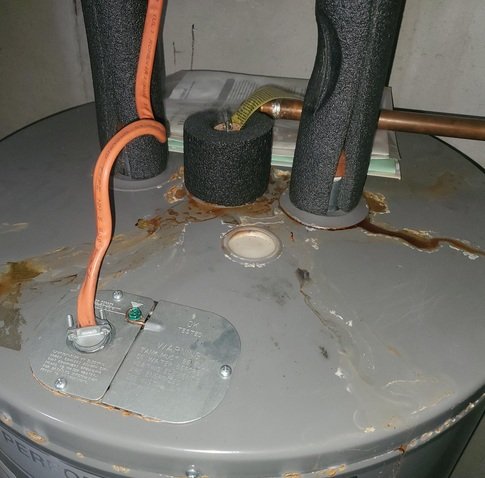
Once the water heater is in place, regular maintenance practices are essential for extending its lifespan and ensuring continuous service. Homeowners should consider scheduling annual inspections by a licensed professional, who will check for any signs of wear or malfunction. Additionally, flushing the tank at least once a year is recommended to remove any sediment buildup that may accumulate over time. Sediment can hinder efficiency and even lead to premature failure.
Homeowners can also perform simple troubleshooting tasks, such as checking the temperature settings on their temperature and pressure relief valve to ensure it is set correctly. Inspecting the anode rod every few years can also help in preventing corrosion within the tank, thus promoting a longer life for the unit.