Essential Tips for Maintaining Proper Airflow Around Gas Heaters
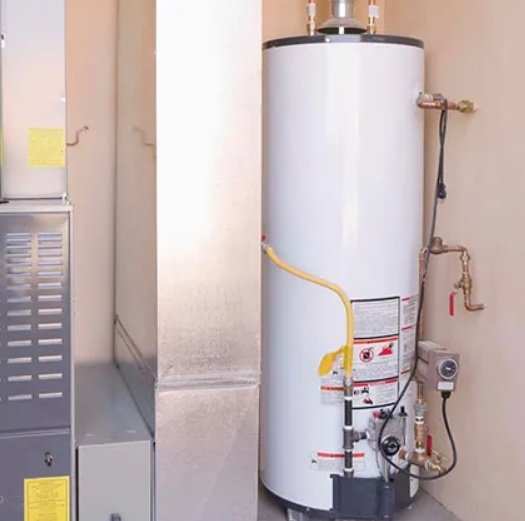
Gas heaters are widely utilized for their effectiveness in providing warmth within residential and commercial spaces. However, the operation of these systems relies heavily on proper airflow. Airflow serves as a crucial component in facilitating the combustion process, which directly influences heating efficiency and safety. Ensuring adequate airflow is essential for optimal gas heater performance.
The combustion of gas requires a specific ratio of fuel to oxygen to occur effectively. Adequate airflow ensures that the necessary oxygen is accessible, which is critical for complete combustion. When gas heaters have insufficient airflow, it can lead to an incomplete burning of fuel, resulting in wasted energy and potentially hazardous emissions. Moreover, a well-ventilated environment enables the heater to function efficiently, maximizing heat output while minimizing energy consumption.
Inadequate airflow poses significant risks, particularly the buildup of carbon monoxide, a colorless and odorless gas that can be lethal in high concentrations. Without proper ventilation, carbon monoxide can accumulate in indoor environments, creating serious health risks for occupants. Therefore, it is imperative to monitor and maintain airflow around gas heaters to prevent such hazardous situations.
To ensure optimal performance of gas heaters, homeowners and facility managers should routinely inspect the vicinity around the heater. This involves eliminating any obstructions, such as furniture or decorative items, that may hinder airflow. Additionally, regular maintenance checks by qualified professionals can help identify any potential airflow issues before they escalate into serious problems. Overall, understanding and prioritizing airflow is vital for the efficiency, safety, and longevity of gas heating systems.
Identifying Potential Airflow Obstacles
Maintaining proper airflow around gas heaters is crucial for their efficient operation and overall safety. Various common obstacles can impede airflow, leading to potential issues such as overheating or insufficient heating. It is essential to identify these obstacles to ensure the gas heater operates effectively.
One of the primary culprits of obstructed airflow includes furniture. Items such as sofas, chairs, and tables placed too close to the heater can block the necessary air circulation. Heavy furniture can also restrict airflow pathways to vents, which can be detrimental to the heater’s functionality. Additionally, decorative items like curtains and drapes should be carefully considered. These soft furnishings can cover vents or even come into contact with the heater, posing both a fire risk and limiting airflow.
Appliances, such as televisions or bookshelves, could also pose significant airflow challenges. They may inadvertently obstruct exhaust outlets or vent openings. Homeowners should evaluate the placement of these items and ensure there’s sufficient space around the heater to allow for unobstructed airflow. This is particularly important in confined spaces where proper air circulation is necessary for maintaining temperature and efficiency.
Moreover, the architectural design of a home can influence airflow. Poorly designed layouts may not promote adequate air exchange, while inadequate venting can lead to air stagnation around heaters. Homeowners should consider structural limitations that might affect airflow, such as narrow hallways or corners where the heater is installed. In some cases, modifications may be needed to ensure optimal air circulation, enhancing both heater performance and safety.
Best Practices for Ensuring Adequate Airflow
To maintain proper airflow around gas heaters, it is essential to follow several best practices that ensure efficient operation and safety. The installation and placement of gas heaters play a crucial role in this process. When positioning a gas heater, it is vital to ensure that there is ample space around the unit. Recommended clearances typically range between 30 to 36 inches from walls, furniture, and other objects. This distance not only facilitates adequate airflow but also prevents overheating and ensures that exhaust gases are vented correctly.
Regular maintenance checks are equally important for promoting airflow. These checks should include inspecting air vents and filters for blockages. Dust and debris can accumulate in these areas, restricting airflow and impairing heater performance. Clean or replace air filters as per the manufacturer’s guidelines to enhance air circulation. It is also advisable to have a professional inspect the gas heater at least once a year to ensure that all components, including ventilation systems, are functioning properly.
The importance of keeping clearances around the gas heater cannot be overstated. Ensure that furniture, curtains, and other obstructions are kept well away from the heater to avoid any impediment to airflow. Additionally, during transitional seasons, homeowners should make adjustments to their heating systems. This may involve changing the settings or altering the positioning of furniture to maintain optimal airflow as weather conditions change. Proper airflow not only enhances heating efficiency but also contributes to the longevity of the gas heater.
In conclusion, adhering to these best practices can significantly impact the efficiency and safety of your gas heater. By ensuring adequate airflow, homeowners can enjoy consistent heating while minimizing risks associated with inadequate ventilation.
Signs That Airflow Needs Attention
Proper airflow is crucial for the efficient functioning of gas heaters. Recognizing the signs that indicate airflow issues can prevent further complications and improve performance. One of the primary indicators of poor airflow is the presence of unusual noises emanating from the heater. These sounds may include rattling, whistling, or a persistent humming, which could signify obstructions in the ventilation system.
Poor heating performance is another significant sign that airflow needs immediate attention. If a gas heater takes longer to warm up the room or fails to maintain a consistent temperature, it may be struggling due to restricted airflow. Delays in heat distribution can lead to uncomfortable living conditions and impact overall energy efficiency.
Increased gas bills can serve as a financial indicator of airflow problems. If users observe an unusual spike in their gas consumption without a corresponding increase in usage, this could indicate that the heater is working harder than necessary, often due to inadequate airflow. This inefficiency not only burdens the wallet but also compromises the longevity of the heating unit.
Furthermore, indicators of potential safety hazards are critical signs that should not be overlooked. For example, the presence of soot around the heater or unexplained gas odors can suggest reduced airflow and malfunctioning components. Engaging with a professional technician promptly can help mitigate any risks associated with improper ventilation, further reinforcing the necessity of regular maintenance checks.
Staying vigilant about these signs can ensure that gas heaters operate efficiently and safely, promoting a comfortable environment in the home. Recognizing early signals of airflow issues allows homeowners to take proactive measures that protect their heating system and overall well-being.