Essential Steps to Safely Clean Dust from Your Water Heater Electrical Areas
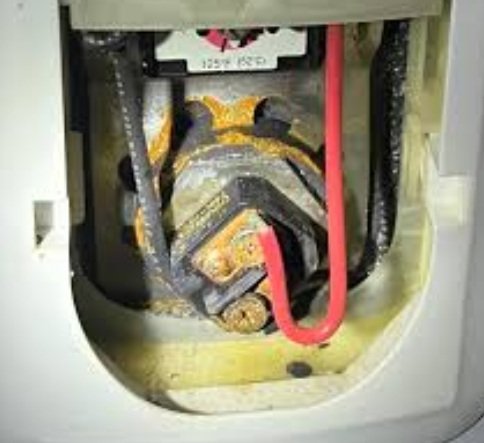
Regular maintenance and cleaning of your water heater, particularly its electrical components, are critical for ensuring optimal performance and safety. Dust accumulation on electrical parts can lead to several potential hazards. One of the primary concerns is overheating. When dust settles on heating elements or wiring, it can create insulation, trapping heat that should otherwise be dissipated. This raises the risk of overheating, which can not only damage the water heater but also pose a serious fire hazard.
Additionally, the buildup of dust can contribute to electrical shorts, which may lead to malfunction or complete failure of the unit. Electrical shorts often result in sudden power outages or even circuit breaker trips, which can interrupt your household’s hot water supply. Prolonged neglect of cleaning can exacerbate these issues, leading to costly repairs or replacements.
Furthermore, a clean water heater operates more efficiently. Dust and debris can impede the proper operation of various components, causing the unit to work harder to heat water. This increased energy consumption translates to higher utility bills, which could have been avoided with regular maintenance. Efficient operation not only saves money, but it also extends the lifespan of your water heater, ensuring that it serves you well for many years.
The benefits of maintaining a clean water heater extend beyond just efficiency and safety. Regular cleaning helps preserve the unit’s integrity, maintaining manufacturer warranties and efficiency ratings. In summary, prioritizing the cleanliness of water heater electrical areas significantly enhances safety and efficiency, while reducing long-term costs associated with repairs or replacements.
Safety Precautions Before Cleaning
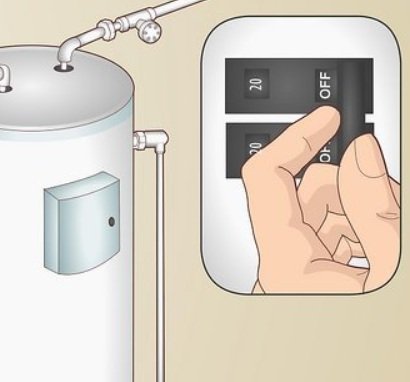
Cleaning dust from the electrical areas of a water heater necessitates taking several safety precautions to protect both yourself and the appliance. First and foremost, it is essential to turn off the power to the water heater. This can be done by switching off the circuit breaker associated with the heater to prevent any electrical hazards while performing cleaning activities. Ensuring the appliance is completely powered down is a critical initial step.
Moreover, personal protective equipment (PPE) should be worn throughout the cleaning process. This includes gloves to protect your hands from dust and any cleaning chemicals used, as well as a face mask to prevent inhalation of dust particles. Depending on the extent of dust build-up, safety goggles may also be advisable to guard your eyes against debris or cleaning agent splashes.
Proper ventilation is another important aspect to consider before beginning the cleaning task. Ensuring that the area is well-ventilated will help disperse any dust and fumes from cleaning agents, reducing the risk of respiratory issues. Opening windows and using fans to circulate air can significantly enhance safety during the cleaning process.
When handling tools or cleaning agents, caution is paramount. Ensure that any tools used are in proper working condition and suited for the task at hand. It is wise to familiarize yourself with the hazards associated with any cleaning chemicals, particularly those that are corrosive or flammable. Always have an appropriate method for disposing of used cleaning supplies and ensure that they are stored safely when not in use.
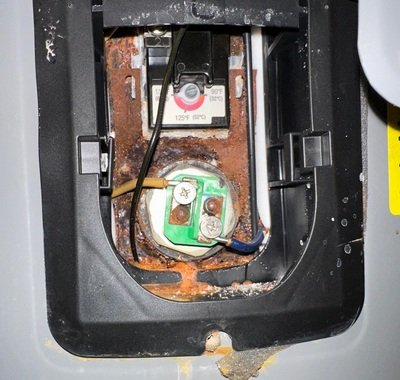
Step-by-Step Guide to Cleaning Dust from Electrical Areas in Your Water Heater
Maintaining your water heater in optimal working condition is crucial, and cleaning dust from its electrical areas ensures both efficiency and safety. Begin by gathering the necessary tools: a soft brush, a vacuum cleaner with a hose attachment, a flashlight, and a cloth. Before proceeding, make sure to turn off the power supply to the water heater to prevent any electrical hazards.
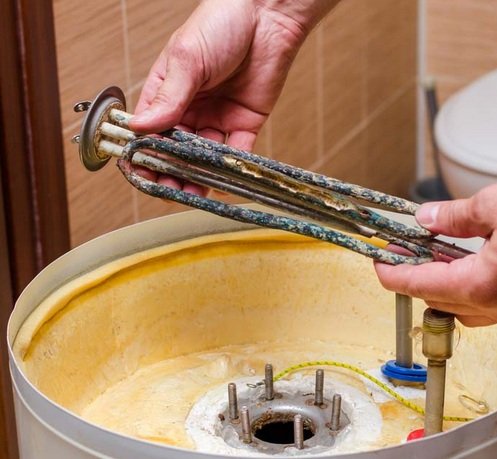
Start the cleaning process by using the flashlight to inspect the areas surrounding the heating element and thermostat. Dust often accumulates in these components, which can obstruct airflow and compromise overall function. Use a soft brush to gently dislodge dust from these sensitive areas. Be careful not to apply excessive force as this could damage the electrical components.
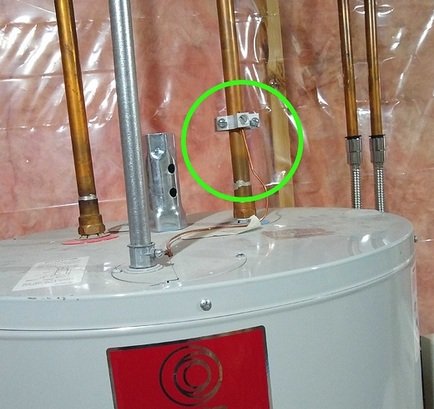
Next, utilize the vacuum cleaner’s hose attachment to collect the dislodged dust and debris. This method effectively reduces the risk of dust particles being dispersed back into the air or settling in other areas of the water heater. Focus on the areas where the electrical wires connect, as these junctures can become cluttered with dust and debris.
It is essential to pay special attention to any vents or grilles on the water heater, as these are critical for airflow and optimal performance. If these areas are blocked by dust, it may lead to overheating or reduced efficiency. Once you have thoroughly cleaned all accessible surfaces, take a moment to recheck that no loose dust remains.
After cleaning, ensure that all components are carefully reassembled, with electrical connections firmly reinstated. Finally, restore power to the unit and monitor its performance. Regular maintenance, including dust removal from electrical areas, is key to extending the lifespan and efficiency of your water heater.
When to Call a Professional
Cleaning the electrical areas of your water heater is a crucial maintenance task, yet it can also present challenges that are best left to professionals. Homeowners should be able to recognize when the cleaning task exceeds their capabilities. It is essential to consider your own comfort level and expertise when approaching this maintenance chore. If you encounter signs of electrical issues, such as tripped circuit breakers or a burning smell, it is advisable to seek professional help immediately. These symptoms can indicate more significant problems within the heater that require specialized knowledge and tools.
Furthermore, if your water heater is older or showing signs of wear and tear, the task may not just involve cleaning but also evaluating the unit for potential replacements or repairs. An older water heater might harbor outdated electrical components that could be hazardous if not handled correctly. A qualified technician can provide a thorough inspection to ensure that all components are functioning safely and efficiently.
Choosing the right professional can be as crucial as the maintenance itself. Look for certified technicians who specialize in water heater servicing. Reading online reviews and checking references can help you gauge their reliability. Additionally, make sure that any technician you consider has the proper licensing and insurance to perform the necessary work. By selecting a qualified expert, you can ensure that your water heater is not only cleaned properly but also assessed for any underlying issues, ultimately prolonging the life of this vital home appliance.