Essential Seasonal Plumbing Maintenance Tips for Homeowners
Seasonal plumbing maintenance is essential for homeowners not only to ensure the efficiency of their plumbing systems but also to prevent costly repairs in the long run. The unique challenges posed by seasonal changes can significantly impact plumbing systems. During colder months, for instance, pipes are susceptible to freezing, leading to bursts that can cause extensive water damage. Similarly, the arrival of heavy rains and fluctuating temperatures during spring can expose vulnerabilities in drainage systems.
Regular maintenance helps to identify potential issues before they escalate into major repairs. Routine plumbing checks can uncover leaks, blockages, or signs of corrosion that might otherwise go unnoticed. Additionally, seasonal maintenance can enhance the performance and lifespan of plumbing fixtures. By scheduling inspections during spring and fall, homeowners can prepare their systems for seasonal stressors, ensuring everything operates efficiently.
Neglecting regular plumbing maintenance poses considerable risks. Minor issues that might be easily rectified could evolve into significant problems, leading to water damage or mold development. Homeowners may face high repair costs that could exceed routine maintenance expenses. Moreover, plumbing failures may disrupt daily life, causing inconvenience and added stress.
Furthermore, seasonal plumbing maintenance helps homeowners stay informed about their plumbing systems’ conditions. This knowledge is crucial not only for immediate repairs but also for long-term property value. In the event of a sale, a well-maintained plumbing system stands as an attractive feature to prospective buyers, potentially boosting the home’s marketability.
In essence, seasonal plumbing maintenance is a proactive approach that protects the integrity of a home and contributes to its overall value. By investing time and effort into regular checks, homeowners can enjoy peace of mind and avoid unforeseen plumbing issues that may arise from neglect.
Spring Plumbing Maintenance Checklist
As warmer weather approaches, it is essential for homeowners to conduct thorough spring plumbing maintenance. This proactive approach can prevent future plumbing issues and ensures an efficient plumbing system throughout the season. Below is a comprehensive checklist comprising key tasks to include in your spring plumbing maintenance routine.
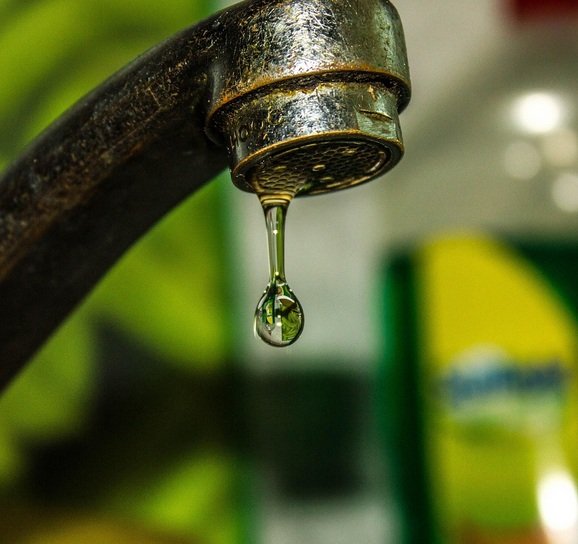
First, check all outdoor faucets for leaks or signs of damage. Inspect each faucet by turning it on and observing for any water seepage or drips when it is turned off. If leaks are detected, immediate repairs can prevent water waste and more significant plumbing issues later.
Next, inspect your home’s gutters and downspouts. Over the winter months, debris such as leaves, twigs, and dirt can accumulate, leading to blocked gutters and improper drainage. Cleaning out the gutters not only improves water flow but also protects your plumbing system from potential overflows that could seep into your foundation.
Proper drainage around your home is essential to prevent water damage. Ensure that the grading of the yard directs water away from the foundation. Additionally, check the area around basement windows and crawl spaces to ensure water does not pool, which can lead to moisture and mold issues.
Don’t forget to prepare your irrigation systems for the growing season. Inspect hoses, sprinklers, and timers to confirm they are functioning correctly. Test your system to ensure it provides adequate coverage and make any necessary adjustments or repairs.
Lastly, consider scheduling a professional plumbing inspection to address any potential issues that you may have overlooked. A plumber can help identify trouble spots and provide solutions, ensuring your plumbing system is ready for the demands of spring and summer.
Summer Plumbing Tips for Keeping Your Home Cool
During the summer months, the demand for plumbing maintenance is crucial to ensure that your home remains comfortable and functional. One of the primary focuses should be on inspecting your air conditioning unit. Regularly checking the unit helps to prevent potential breakdowns, which can lead to discomfort during the sweltering heat. Make sure to clean or replace the air filters as recommended by the manufacturer, ensuring optimal airflow and efficiency.
Additionally, it is essential to examine the air conditioning drainage system. A clogged drain can result in water build-up, potentially causing damage to your home. To prevent this, routinely clean the drain line, removing any debris or obstructions that may disrupt proper drainage.
Another important aspect of summer plumbing maintenance is checking your sump pump, especially if you reside in an area prone to heavy rain and flooding. Ensure that the pump is operational and free of debris. Test it by pouring water into the sump pit and observing if it activates. This proactive step can help safeguard your basement from water intrusion.
Reviewing outdoor plumbing fixtures is also vital during summer. Inspect hoses, sprinklers, and faucets for leaks and damage. Repairing or replacing faulty fixtures will not only conserve water but also reduce your utility bills. Moreover, consider using water-saving devices such as drip irrigation to minimize water waste in your garden.
Maintaining proper water pressure throughout your home is another critical summer plumbing maintenance tip. Low water pressure can indicate underlying issues such as leaks or obstructions in the pipes. Regularly monitoring your water pressure can help identify problems early, allowing for timely repairs and ensuring a reliable supply during peak usage hours.
Winterizing Your Plumbing: Tips for Cold Weather Prep
As winter approaches, it is critical for homeowners to engage in careful winterization of their plumbing systems to prevent the costly damage caused by freezing and bursting pipes. One of the first steps in this process is to drain all outdoor hoses and detach them from faucets. This essential task prevents any remaining water from freezing in the hoses, which can lead to ruptured pipes and significant repair costs. Additionally, it is advisable to turn off the exterior water supply, if applicable, to further minimize the risk of freezing.
Another effective strategy is to insulate exposed pipes, especially those located in unheated areas such as attics, basements, or crawl spaces. Insulation sleeves or heat tape can significantly reduce the likelihood of pipe freezing. In climates that experience particularly cold temperatures, it is wise to maintain a trickle of water flowing through these pipes during extremely frigid weather, as moving water is less likely to freeze.
Homeowners should also consider the thermostat settings in their homes. It is recommended to keep the thermostat at a consistent temperature, ideally no lower than 55°F, even when the house is unoccupied. This strategy helps ensure that indoor plumbing remains above freezing temperatures. Additionally, an inspection of heating systems prior to winter is crucial; this includes checking furnaces and radiators for proper functionality, ensuring they can effectively warm the home and prevent pipes from succumbing to cold temperatures.
Lastly, a thorough plumbing inspection before the onset of winter is an invaluable practice. Engaging a professional plumber to assess the integrity of your plumbing system can catch potential issues early, allowing for proactive measures to be taken. This comprehensive approach to winterizing your plumbing not only protects your home but also provides peace of mind as the colder months set in.