Essential Emergency Plumbing Tips Every Homeowner Should Know
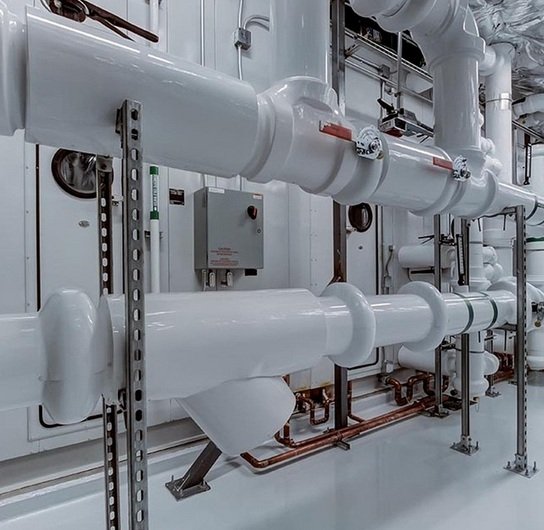
The plumbing system in a home is a vital structure that ensures the delivery of clean water and the efficient removal of waste. Understanding the basic components of this system can empower homeowners in safeguarding their property against plumbing issues.
At the core of home plumbing are various types of pipes which transport water to faucets, toilets, and appliances. Common materials include copper, PVC, and PEX, each having unique benefits. For example, copper pipes are durable and resistant to corrosion, making them a popular choice, while PVC pipes are lightweight and inexpensive, ideal for drain lines.
The main components of a plumbing system include potable water supply lines, drainage systems, and vents. Water supply lines channel fresh water to various points in the home, while the drainage system is designed to carry wastewater away from fixtures to the main sewer line. Traps, found beneath sinks and tubs, prevent sewer gases from entering the home, thus ensuring a safe living environment.
Vent pipes are equally crucial, as they allow air to flow into the plumbing pipes, preventing a vacuum that could impede drainage. Each of these components contributes to a cohesive plumbing network that supports daily residential activities.
Understanding the layout of your plumbing system can aid in identifying potential problem areas. Common signs of plumbing issues include slow drainage, water stains, and unusual noises, all of which indicate that attention may be needed. By being informed about how water flows through your home, you can take proactive measures to prevent costly repairs and ensure the longevity of your plumbing systems.
Common Plumbing Emergencies and Their Causes
Homeowners often face a variety of plumbing emergencies, which can cause significant inconvenience and financial strain if not addressed promptly. Understanding the common plumbing emergencies and their underlying causes is vital for effective prevention and management. One of the most notorious issues is burst pipes. This situation typically arises from frozen pipes during extreme temperatures, corrosion, or high water pressure. To mitigate the risk, homeowners should insulate exposed pipes and maintain consistent heating in vulnerable areas.
Blocked drains are another frequent plumbing issue, often caused by the accumulation of grease, hair, soap residue, or foreign objects. Such blockages can lead to slow drainage and eventual overflow. To prevent blocked drains, homeowners should regularly clean the drains, avoid pouring grease down the sink, and use drain covers to catch debris.
Overflowing toilets present a serious concern, often resulting from a faulty flapper valve, a clogged toilet trap, or an issue with the float mechanism. This can lead to undesirable messes and property damage. Homeowners can avert such occurrences by having regular plumbing inspections and ensuring that they promptly address any signs of toilet malfunction.
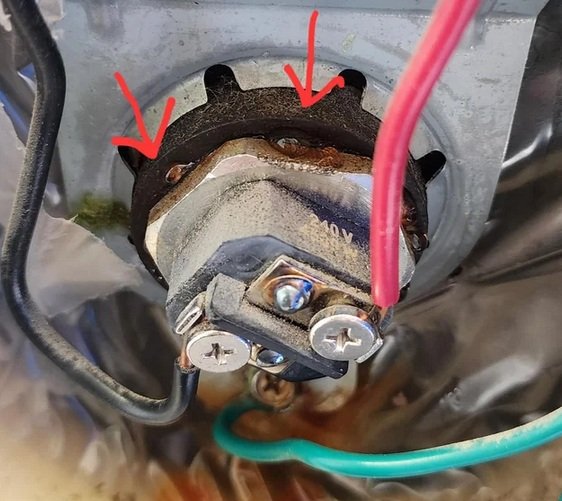
Water heater failures are also common and may stem from sediment buildup, faulty thermostats, or a lack of maintenance. An unexpected failure can disrupt daily activities, making it crucial for homeowners to flush their water heaters periodically and replace outdated units when necessary. By being aware of these emergencies and their causes, homeowners can take proactive steps to prevent plumbing issues from becoming serious problems.
Emergency Plumbing Solutions You Can Implement
During a plumbing crisis, it is crucial for homeowners to act swiftly and decisively. Here are several emergency plumbing solutions that can be easily implemented to mitigate damage until a professional arrives.
One of the most common emergencies is a leaking pipe. To manage this situation, the first step is to locate the main water shut-off valve in your home. This valve, typically found in the basement or crawl space, should be turned clockwise to halt the flow of water. For smaller leaks, using a bucket to catch water can prevent further damage to flooring or furniture. Additionally, applying a piece of rubber or a specialized leak tape temporarily over the leak can contain some of the water until professional help is secured.
Another frequent issue is a clogged drain. For immediate relief, start by using a plunger. Ensure there is enough water in the sink or tub for an effective seal. Place the plunger over the drain and pump it vigorously up and down. If plunging does not work, try using a mixture of baking soda and vinegar. Pour half a cup of baking soda down the drain, followed by half a cup of vinegar. Allow this mixture to sit for approximately 30 minutes, then flush it with hot water to help dislodge clogs.
Additionally, a running toilet may signal a plumbing emergency. In this case, lifting the lid off the tank and checking the flapper can often reveal the issue. If it appears worn or misaligned, adjust it to see if the toilet stops running. If the flapper needs replacement, this task can usually be done with minimal tools.
These emergency plumbing solutions equip homeowners with effective techniques to tackle common issues. Proper knowledge and preparation can greatly alleviate unexpected plumbing challenges.
When to Call a Professional Plumber
Homeowners often strive to handle minor plumbing issues themselves, drawn by the potential to save money and the satisfaction of DIY repairs. However, certain red flags can indicate when it is essential to call a professional plumber instead of attempting to fix the problem alone. Significant issues such as persistent leaks, backing-up drains, or sudden spikes in water bills may suggest underlying problems that require specialized expertise.
One critical indicator to seek professional assistance is when you experience severe plumbing emergencies like uncontrolled water flow or sewage backups. Ignoring these situations can lead to serious damage to your home, including structural issues, mold growth, or flooding. Likewise, if the problem escalates and involves multiple fixtures or areas of your home, it is prudent to contact a licensed plumber to assess the situation.
Another warning sign is the presence of unfamiliar or unsettling sounds, such as banging pipes or gurgling drains, which can signal more complex issues within your plumbing system. A professional plumber possesses the knowledge and tools necessary to identify the causes of such issues and can recommend efficacious solutions, ensuring the long-term health of your plumbing.
Selecting a reliable plumber during urgent situations is equally crucial. Homeowners should look for licensed professionals with positive reviews and a solid reputation within the community. Comparing quotes, reviewing credentials, and confirming that they are insured can also provide peace of mind. By doing so, you ensure that your plumbing issues are resolved efficiently and safely.
In conclusion, while it is tempting to try to fix plumbing problems on your own, being aware of the signs that require professional intervention will help protect your home from further damage and costly repairs. Remember, some challenges are best left to the experts.