Ensuring Correct Water Heater Voltage Supply: A Comprehensive Guide
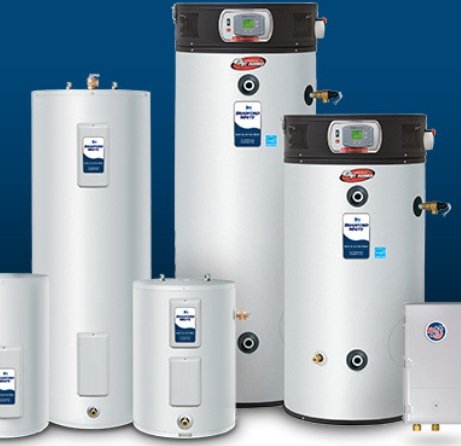
Water heaters play a critical role in residential and commercial settings, providing necessary hot water for various uses. An essential aspect of ensuring their functionality is understanding the voltage requirements specific to different types of water heaters, such as electric, gas, and tankless models.
Electric water heaters typically operate on either 120V or 240V systems. The voltage requirements can significantly impact the performance and efficiency of these units. For instance, a standard electric water heater may draw 240V to heat water more quickly, whereas a 120V model may take longer but can be installed in various locations due to a more accessible power supply.
In contrast, gas water heaters utilize gas as their primary fuel source and do not rely on electrical voltage for heating. However, they usually require a lower voltage supply (approximately 120V) to power components such as electronic ignition systems and control panels. Understanding these requirements ensures gas heaters operate safely and effectively, avoiding unnecessary power consumption or failures.
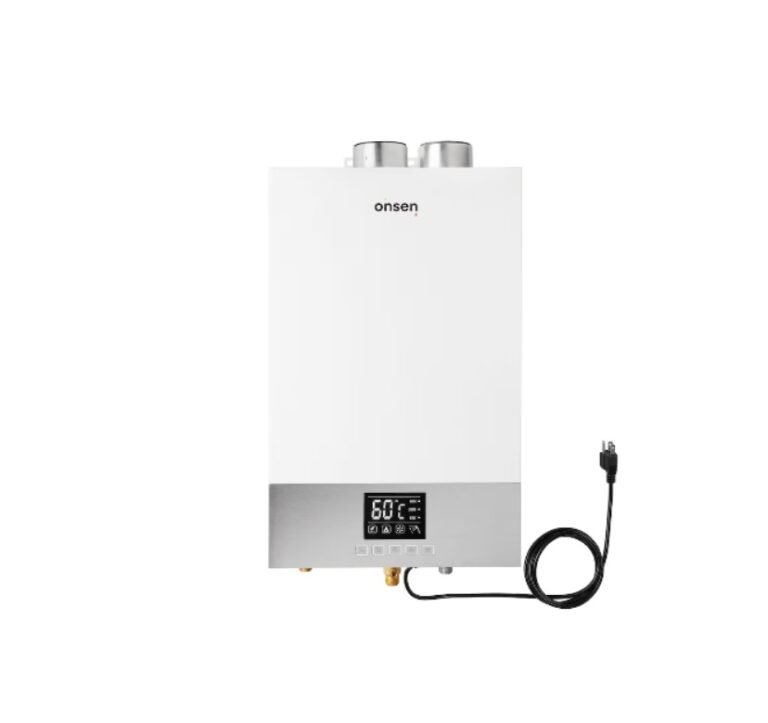
Tankless water heaters, which provide hot water on demand, can be either electric or gas. Electric tankless models often require a higher voltage, typically 240V, to deliver sufficient heating capacity for simultaneous use. Conversely, gas tankless heaters harness gas pressure and may operate independently of electrical voltage, further emphasizing the importance of knowing the specific requirements of the selected model.
To ensure optimal operation, it is crucial to interpret the voltage specifications found on water heater labels accurately. Many units will indicate voltage requirements alongside other essential electrical ratings. Adhering to these specifications not only provides efficiency and performance benefits but also enhances safety, reducing the risk of electrical issues and maintaining the longevity of the equipment.
How to Check Voltage Supply for Your Water Heater
Checking the voltage supply to your water heater is a vital process that ensures its proper functioning and longevity. This section outlines the steps required to accurately measure and verify the voltage supply using essential tools.
To begin, you will need a multimeter, which is instrumental in measuring voltage, resistance, and current. Before commencing, ensure your safety by wearing insulated gloves and goggles to protect against electrical shock. Make sure to turn off the water heater circuit breaker to prevent any accidents during the testing process.
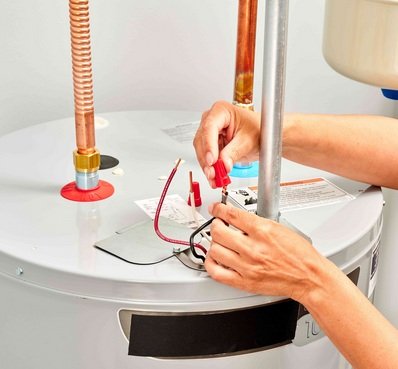
Once prepared, set your multimeter to the voltage setting, typically denoted as “V”. Carefully access the terminal block of the water heater, where the wires from your home’s electrical supply connect to the heater. Use the multimeter probes, with one probe touching the live wire and the other on the neutral wire, to measure the voltage supply.
A standard water heater usually requires a 240-volt supply. Verify that your reading is close to this value; if it is significantly lower, it could indicate an issue with the electrical supply or the heater itself. It is also crucial to check the ground connection. A poor ground can lead to erratic functionality or even damage to the heating elements.
If your voltage readings are inconsistent or below the required range, troubleshoot by checking the circuit breaker or fuses, as these may be tripped or blown. Inspect the wiring for any visible signs of damage or wear, and consult with a licensed electrician if necessary. It is paramount to ensure that all electrical connections are secure and functioning properly.
By following these steps, you can effectively ascertain the voltage supply to your water heater and address any potential issues proactively. Maintaining the correct voltage supply is essential for the optimal performance of your water heater.
Common Voltage Issues and Their Solutions
Water heaters are essential appliances in many households, and ensuring they receive the correct voltage supply is critical for optimal performance. Several common voltage-related issues may arise with water heaters, impacting their functionality and safety.
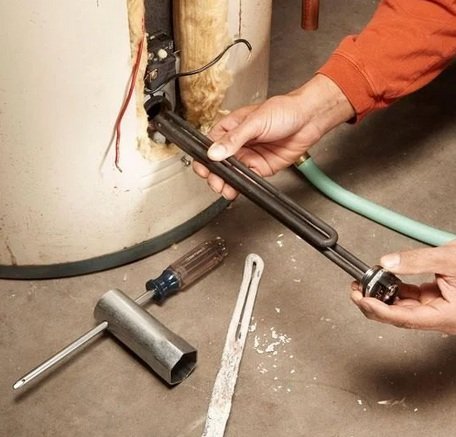
One prevalent issue is inconsistent heating. Homeowners may notice that their water heater fails to consistently heat water to the desired temperature. This inconsistency can arise from fluctuations in voltage supply or faulty components, such as heating elements. To address this issue, one should first check the voltage at the outlet. If variations are detected, it may be necessary to consult an electrician to evaluate the supply circuit and determine if upgrades are required. Regularly testing the heating elements can ensure they are operating efficiently and replace them if damaged.
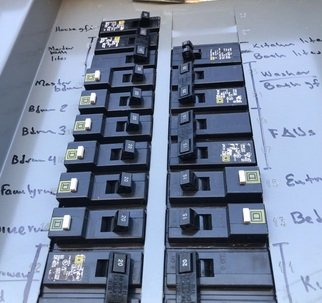
Another common problem is tripped breakers. If the circuit breaker trips frequently, this indicates an overload or short circuit in the supply line. This can be caused by faulty wiring or an inadequate power supply. To resolve this issue, homeowners should inspect the circuit for damage or loose connections. If the problem persists, it is advisable to seek professional assistance to assess the wiring and make necessary repairs.
Unit overheating is also a critical concern that should not be overlooked. Overheating may lead to significant damage to the water heater and increase safety hazards. This problem often results from a thermostat malfunction or improper voltage supply. To mitigate this risk, regular maintenance of the thermostat is crucial, and ensuring it is set to the correct temperature can prevent excessive heating. If overheating occurs, turning off the unit immediately and contacting a technician to examine the internal components is essential.
Addressing these common voltage issues promptly can help prevent further damage to the water heater and maintain safety standards in the household. Regular checks and professional consultations ensure that any potential problems are identified early on, safeguarding both the appliance and its users.
When to Call a Professional Electrician
Proper voltage supply is crucial for the optimal functioning of a water heater, and when issues arise, it is essential to know when to seek professional assistance. One of the primary indicators that a professional electrician should be called is the presence of frequent tripped circuit breakers. This could suggest ongoing electrical issues, such as overloaded circuits or faulty wiring specific to the water heater system.
Another red flag includes unusual noises coming from the water heater, which may indicate electrical malfunctions or severe problems with internal components. If you notice fluctuations in temperature or water that is consistently too hot or too cold, it might imply that the voltage supply is inconsistent, warranting the expertise of an electrician. Observing these symptoms should prompt immediate action to prevent further damage or safety hazards.
When inquiring about qualified electricians, it is advisable to look for licensed professionals with a solid reputation and positive customer reviews. Referrals from friends or family can also be invaluable in finding someone trustworthy. Always verify that the electrician is insured, as this will ensure protection for both parties in case of an electrical mishap during repair or maintenance work.
Additionally, establishing a routine maintenance schedule for your water heater can help mitigate voltage-related issues in the future. Regular inspections by a skilled electrician can detect potential problems before they escalate, thus prolonging the lifespan of your appliance. Ensuring the electrical supply is well regulated and routinely checked will not only promote the efficiency of your water heater but also enhance safety in your home. Knowing when to involve a professional can save time, money, and ensure peace of mind regarding your home’s electrical systems.