DIY RO Filter Replacement in 5 Easy Steps
Reverse Osmosis (RO) systems serve as a crucial part of water filtration, providing purified water by effectively removing contaminants. Regular replacement of RO filters is essential to maintain both the quality of water produced and the efficiency of the system itself. The degradation of filters over time can significantly affect filtration performance; hence, understanding when to replace these components is vital.
Several signs indicate that an RO filter requires attention. A noticeable decrease in water flow is often the first symptom, suggesting that the filter is becoming clogged with sediment or contaminants. Furthermore, changes in the taste or odor of the water are clear indicators that the filters are no longer effective in eliminating impurities. In some cases, visible sediment in the water may also suggest that the filter is compromised. Paying attention to these alarming signs is crucial for maintaining a high-quality water supply.
Moreover, using fresh filters has several health benefits. New filters enhance the removal of harmful contaminants, which might include bacteria, heavy metals, and other chemical pollutants. This is particularly important for ensuring that the water consumed is safe and hygienic. In addition, efficient filters preserve essential minerals that can be beneficial for health, allowing for the balanced composition of drinking water. Thus, regularly replacing the RO filters supports both the taste and health aspects of the water supplied to households.
In summary, understanding the significance of RO filter replacement aids in ensuring optimal water quality and system functionality. Regular monitoring for the mentioned signs and timely replacements will lead to improved health outcomes for those relying on this sophisticated water purification technology.
Gathering Tools and Materials for the Job
To successfully replace an RO (Reverse Osmosis) filter, it is essential to have the right tools and materials at your disposal. Proper preparation can ensure that the DIY process is smooth and effective.
Firstly, gather the essential tools required for the replacement. You will need a standard screwdriver, often either a Phillips or flathead, depending on the screws used in your particular RO system. A bucket or large basin is also recommended to catch excess water that may leak from the filter housing during the process. Additionally, it is advisable to wear gloves, as this protects your hands from any sharp edges or contaminants from the old filters.
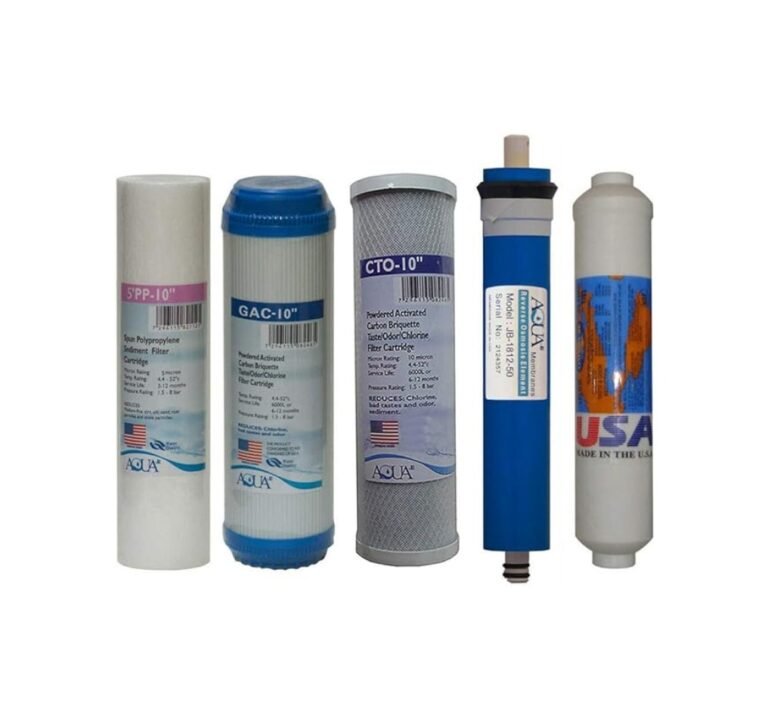
Next, consider which replacement filters are compatible with your RO system. Generally, you will need to replace the sediment filter, carbon filter, and the RO membrane, depending on your unit’s age and condition. Be sure to select high-quality OEM filters, as these are designed specifically for your system and will ensure optimal performance. Cheap or generic filters may lead to reduced efficiency and could even damage your RO system in the long run.
When looking to purchase these supplies, you have several options. Local hardware stores often carry a range of RO filter products, allowing you to check compatibility in person. However, online retailers provide a wider selection and may offer competitive pricing. Websites specializing in water filtration systems typically include detailed descriptions and customer reviews, aiding in the selection of the best filters for your needs.
In conclusion, having the right tools and high-quality materials is fundamental for a successful RO filter replacement. This preparation can save time and ensure that your water filtration system operates efficiently for years to come.
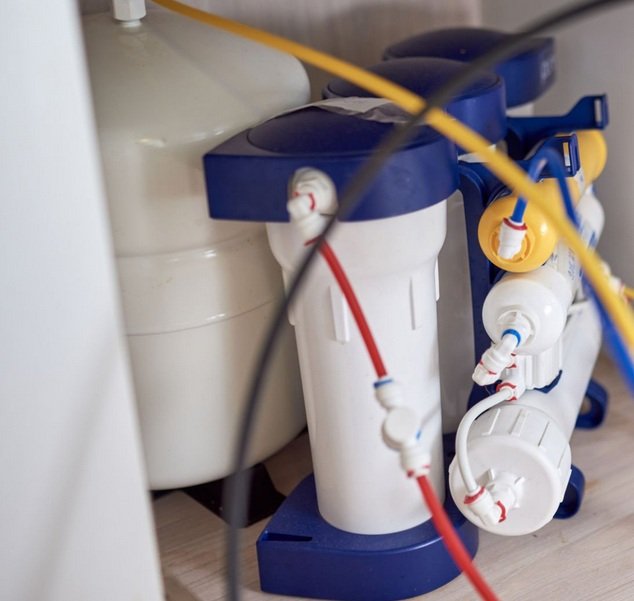
Step-by-Step Guide to Replacing an RO Filter
Replacing your reverse osmosis (RO) filter may seem daunting, but by following these systematic steps, you can make the process straightforward and efficient. The entire procedure ensures that your RO system continues to deliver clean, safe drinking water.
First, begin by turning off the water supply to your RO unit. This is a crucial step as it prevents water from flowing into the system while you are working on it. Locate the shut-off valve, usually found near the RO system, and close it completely.
Next, it is essential to release any pressure within the system. To do this, open the faucet connected to the RO unit and allow it to run until the water stops flowing. This will relieve pressure and make it safer to handle the filters.
Once the pressure is released, you can begin removing the old filter. Identify the filter compartment within your RO system. Most models feature a twist-off or a pull-out mechanism for easy access. Carefully detach the old filter and discard it according to your local waste disposal regulations.
After removing the old filter, it is time to install the new filter. Ensure that you have the correct replacement type that matches your RO system specifications. Position the new filter in the compartment, ensuring a snug fit. Follow any directional arrows or markings on the filter to confirm proper orientation.
Once the new filter is securely in place, close the compartment and turn the water supply back on. Next, open the faucet to allow new water to flow through the system. This initial flow will help clear any air trapped inside and will also flush the filter, ensuring that any loose carbon dust is expelled.
Finally, check for leaks around the filter compartment and faucet connection. If everything appears to be functioning correctly, you have successfully replaced your RO filter and can enjoy fresh, purified drinking water.
Maintenance Tips to Prolong the Life of Your RO System
Maintaining your Reverse Osmosis (RO) system is crucial for ensuring its longevity and effective performance. After replacing the filters, adhering to a consistent maintenance routine will aid in keeping the system functioning optimally.
Regular check-ups are essential. Scheduling inspections every six months allows you to monitor the system’s efficiency and catch any potential issues early. During these check-ups, inspect all fittings, tubing, and filter housings for leaks or damages. Additionally, it’s vital to clean the components of your RO system regularly, particularly the storage tank and the faucet. This not only prevents bacteria growth but also enhances the overall water quality.
Monitoring the quality of your water should also be part of your routine. Regular tests for total dissolved solids (TDS) levels can help identify when your system’s performance is declining. If you notice increased TDS readings, it may be time to replace additional filters or even assess the membrane condition.
Moreover, proactively scheduling future filter replacements can significantly contribute to the longevity of the entire system. Most manufacturers suggest changing pre-filters every 6-12 months, while the RO membrane should typically be replaced every 2-3 years, depending on usage. Keeping a calendar with reminders can prevent neglect.
Being vigilant for signs of system malfunctions is equally important. Indicators such as strange odors, unusual tastes, or reduced water flow could signal a problem. When in doubt, do not hesitate to consult with a professional to diagnose and fix issues that may compromise your RO system’s performance.
In conclusion, routine maintenance, consistent monitoring, and timely interventions are key practices that help prolong the life of your RO system and ensure you always have access to safe, clean drinking water.