Comparing Different RO Systems for Residential Use
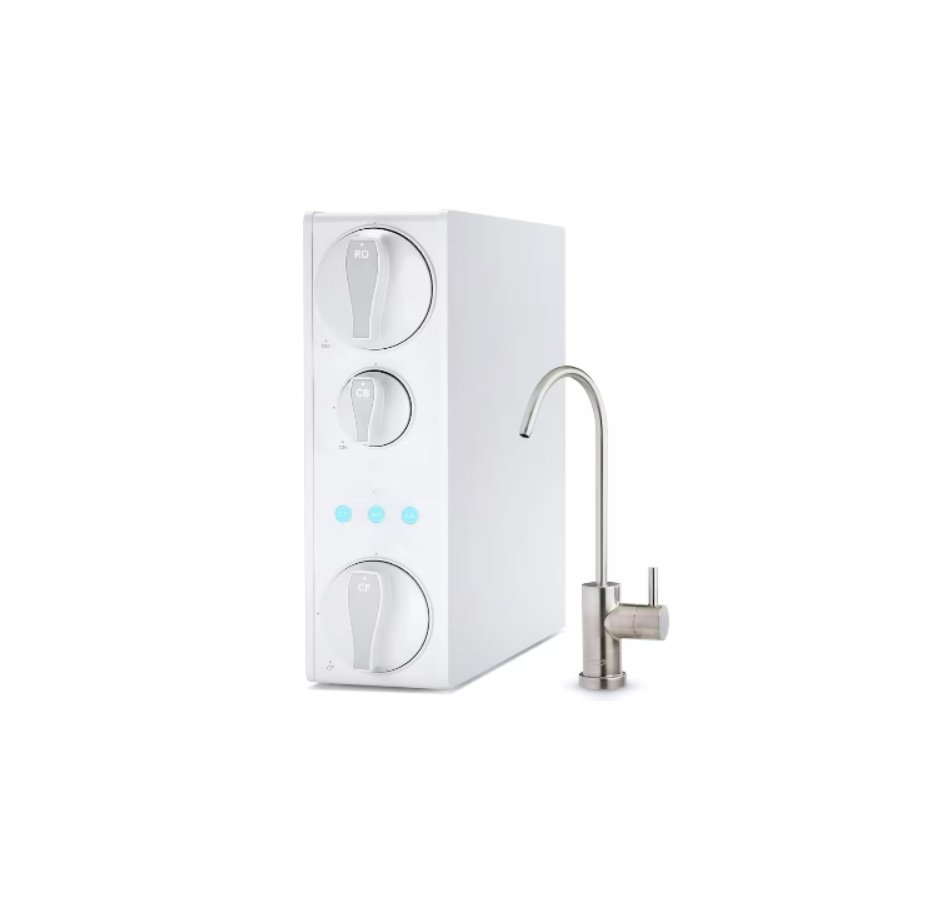
Reverse Osmosis (RO) technology is a widely recognized method for purifying water, effectively removing impurities, contaminants, and dissolved solids from a water supply. The fundamental principle of RO relies on the process of osmosis, which inverts through applying pressure to force water through a semi-permeable membrane. This membrane acts as a barrier that allows only water molecules to pass, while retaining larger molecules and impurities, ensuring a higher quality of purified water.
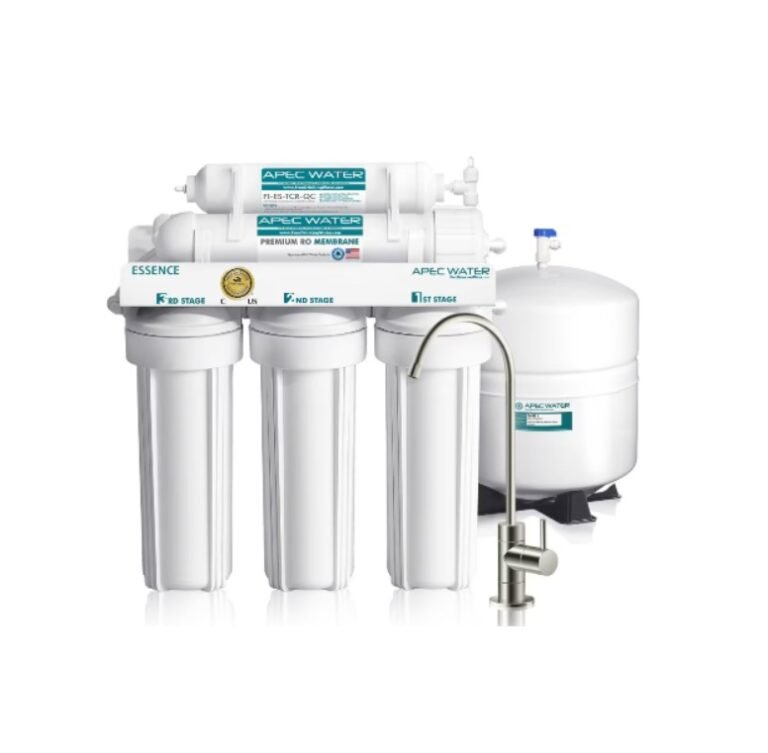
An RO system typically consists of several key components, starting with pre-filters that serve the crucial purpose of removing larger particles and sediment before water reaches the RO membrane. These pre-filters, which may include sediment and carbon filters, play an essential role by prolonging the lifespan of the membrane and enhancing its efficiency in filtering out dissolved solids, such as salts and heavy metals.
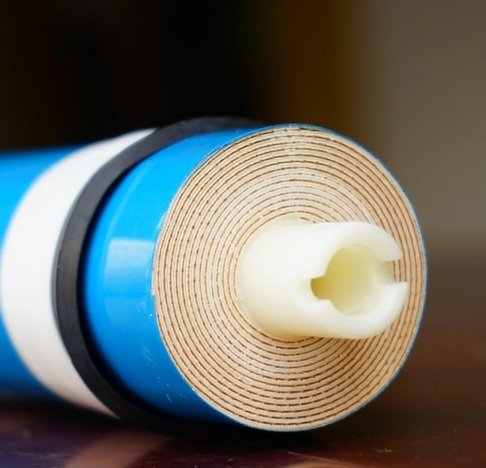
The heart of the RO system is the RO membrane itself. It is vital in the purification process, responsible for achieving the desired level of water quality. Depending on the specific RO technology, these membranes may be rated for different filtration capabilities. Post-filters are employed after the RO membrane to further refine the water quality, adding essential tastes and removing any residual contaminants that could affect the flavor or safety of the water.
The benefits of utilizing RO systems for residential water purification are notable. Households can enjoy better-tasting water while also ensuring higher safety standards, as RO technology effectively reduces the presence of potentially harmful substances in drinking water. Overall, understanding RO technology aids consumers in making informed choices about their home water purification systems, leading to improved health and quality of life.
Types of RO Systems for Home Use
Reverse Osmosis (RO) systems are essential for ensuring high-quality drinking water in residential settings. There are primarily two types of RO systems utilized in homes: Point-of-Use (POU) systems and Point-of-Entry (POE) systems. Understanding the differences between these systems can significantly aid homeowners in making an informed decision based on their specific water purification needs.
POU systems are typically installed at specific water outlets, most commonly under the kitchen sink. These systems treat only the water at the point where it is used, ensuring a supply of clean drinking water for cooking and direct consumption. Their compact design and relatively straightforward installation make them a popular choice for families who may not require extensive water treatment. On the other hand, POE systems filter all the water entering a home, providing treated water for various household uses such as bathing, laundry, and irrigation. This comprehensive coverage makes POE systems suitable for larger households or areas with particularly poor water quality.
When choosing between POU and POE systems, homeowners must also consider configurations like tankless and tank systems. Tankless RO systems provide a continuous supply of purified water and are effective in saving space. Conversely, tank systems store purified water, making it readily available for immediate use, but they require periodic monitoring for water quality. Additionally, features such as booster pumps can enhance water flow, particularly in homes with low water pressure, while UV sterilization offers an extra layer of protection against harmful microorganisms.
In sum, when selecting an RO system, factors such as space, water quality, and intended usage should be carefully evaluated to determine the most suitable option for a household’s water purification requirements.
Key Factors to Consider When Choosing an RO System
Selecting the right reverse osmosis (RO) system for residential use requires careful consideration of several essential factors. One primary aspect is the quality and hardness of the water supplied to your home. Testing your water is crucial as the level of contaminants, minerals, and impurities can vary significantly from one region to another. Knowing the specific characteristics of your water allows you to choose an RO system designed to effectively remove those specific contaminants and meet your household needs.
Another critical factor is the daily water consumption of your household. Understanding your water usage will help you select a filtration system with the appropriate capacity. Systems are available with different production rates, measured in gallons per day (GPD). For families with high water demand, choosing a system that meets your daily consumption without frequent tank refills is necessary to ensure convenience and efficiency.
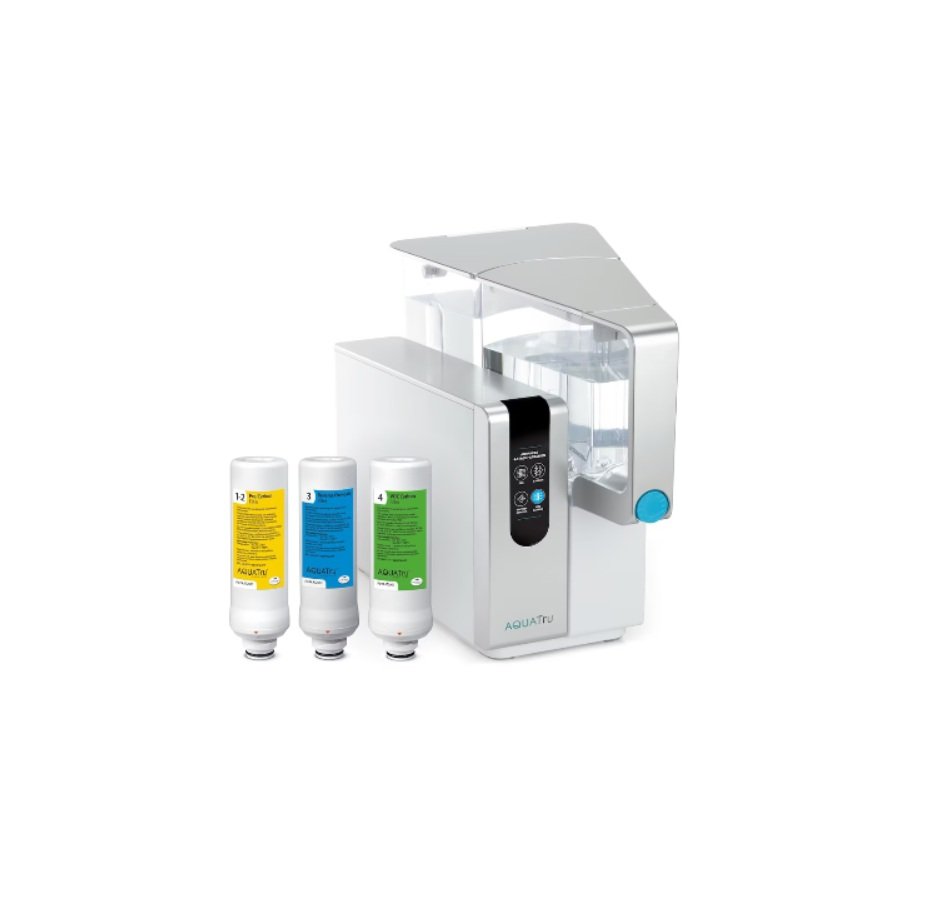
Installation requirements also play a significant role in your decision-making process. Some RO systems require professional installation due to their complexity, while others can be installed easily by homeowners without specialist tools. Consider the available space in your kitchen or utility area, and verify whether additional plumbing work or modifications will be necessary. Furthermore, look into the filtration capacity of the RO system, as it determines how effectively the system can purify your water. Different models may offer various stages of filtration, and understanding these stages—from sediment filtration to carbon and membrane filtration—will inform your choice.
Finally, maintenance considerations and the importance of certifications by credible organizations like NSF/ANSI cannot be overlooked. A certified RO system assures that it meets safety and performance standards. Regular maintenance, including filter changes, is crucial for optimal system performance, so factor these upkeep needs into your decision to ensure long-term satisfaction with your water quality solutions.
Comparative Analysis of Popular RO Brands and Models
In the realm of residential reverse osmosis (RO) systems, several brands stand out due to their reliability, efficiency, and customer satisfaction. This section provides a comparative analysis of some of the most popular RO systems available on the market today, focusing on their features, price points, warranties, maintenance requirements, and customer reviews.
One of the leaders in the industry is APEC, known for its high-quality filtration systems. Their RO-90 model offers a 90 GPD (gallons per day) filtering capacity and comes with a five-year warranty, making it suitable for medium to large households. Users consistently praise APEC for its ease of installation and comprehensive user manuals. Maintenance typically involves changing the filters every six months, which is straightforward.
Another noteworthy contender is Home Master, which offers the TMHP model characterized by a unique modular design that simplifies filter replacement. This model maintains a filtration capacity similar to APEC while providing an extended warranty of up to five years. Customer reviews often highlight the improved taste of the water, which is a crucial factor for many homeowners.
Furthermore, the iSpring RCC7 series is popular due to its affordability and solid performance. With a filtration capacity of 75 GPD, it balances cost and efficiency. iSpring systems come with a one-year warranty and require bi-annual maintenance. However, many users report high satisfaction with their long-term performance and minimal maintenance issues.
When considering the right RO system for a household, one must evaluate water quality needs and budget constraints. APEC and Home Master cater well to households requiring higher filtration capacities, while iSpring remains a budget-friendly option for smaller families. Ultimately, the choice of a residential RO system should reflect individual household needs, making thorough research essential before a decision.