Choosing the Perfect Water Heater: Factors You Should Consider
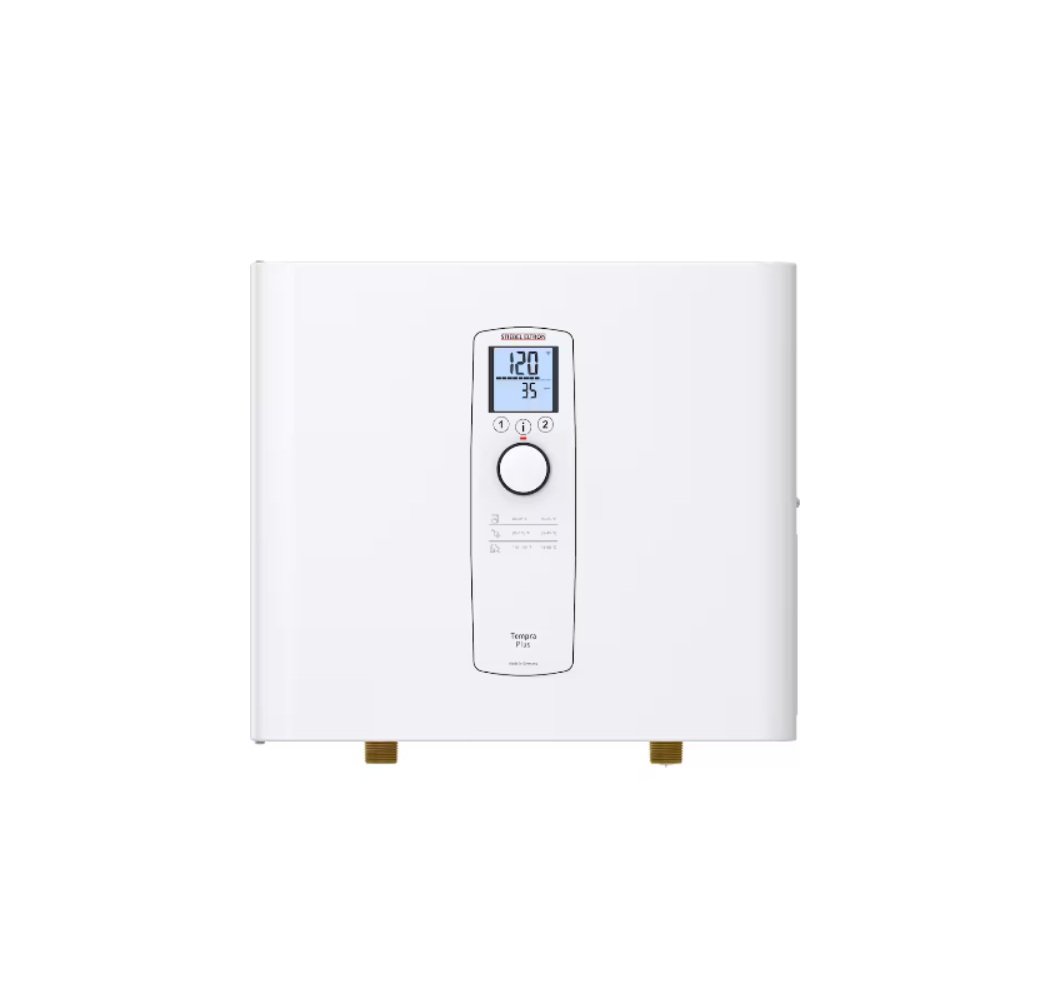
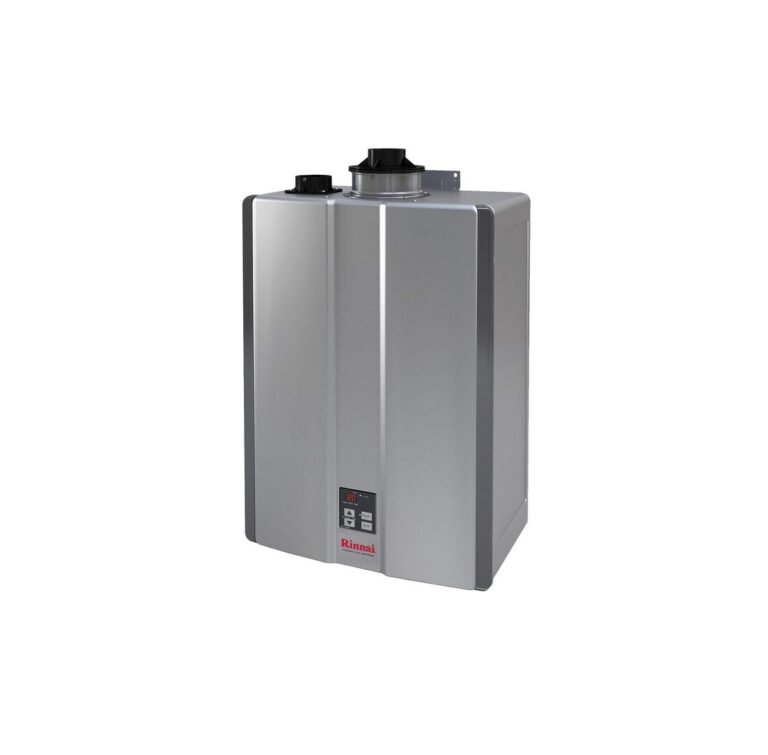
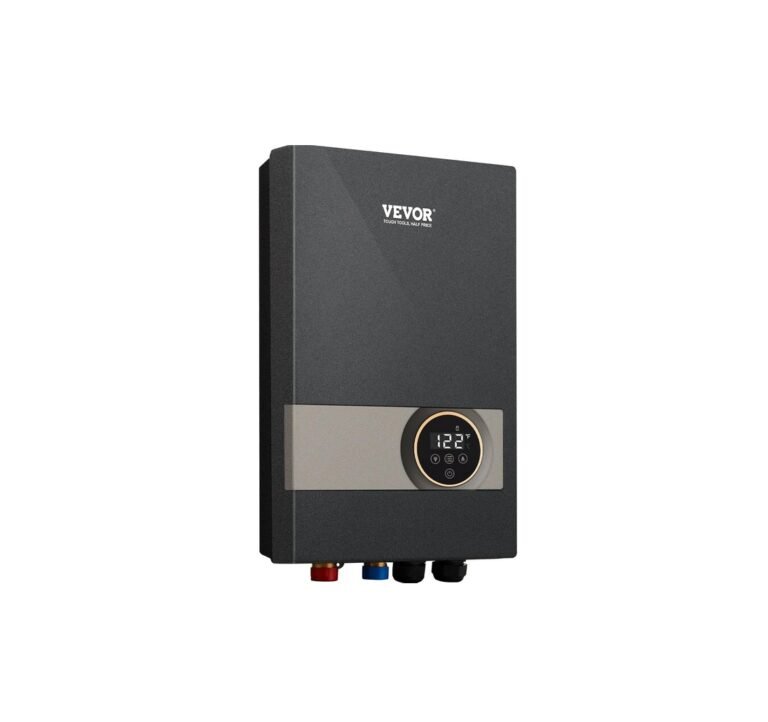
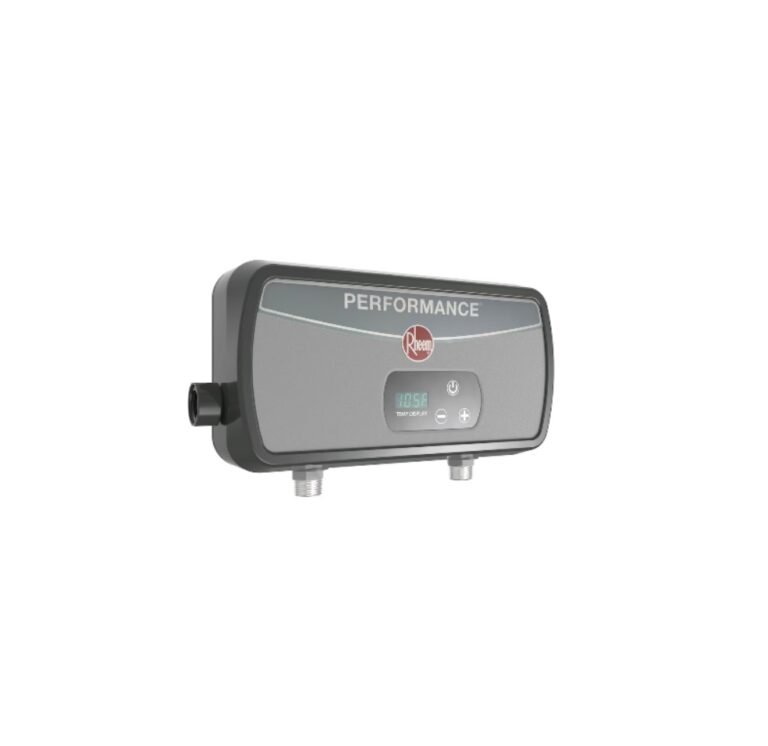
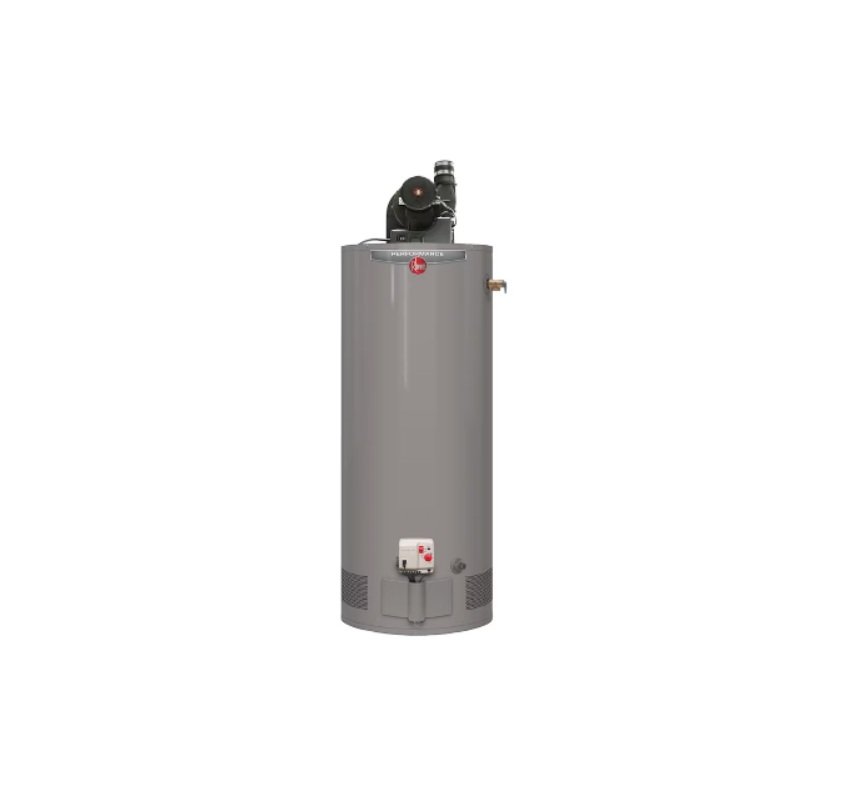
When selecting the appropriate water heater, it is crucial to understand the different types available and how they meet your household’s hot water needs. The two primary categories of water heaters are traditional tank models and tankless options. Traditional tank water heaters store hot water in a cylindrical tank, typically heated using electricity or gas. These models can provide a significant volume of hot water, which can be beneficial for larger households that require a constant supply. Conversely, tankless water heaters heat water on demand, thus eliminating the need for stored hot water. They are generally more energy-efficient since there is no heat loss associated with standby storage.
Additionally, solar water heaters harness renewable energy, using solar panels to capture sunlight and convert it into heat for water. This eco-friendly option can significantly reduce energy costs over time, depending on your geographical location and available sunlight. Heat pump water heaters are another alternative, using electrical energy to transfer heat from the air or ground to heat the water, making them highly efficient.
Assessing your household size is vital in determining your water heating needs. Larger families may require models with higher capacity or multiple units to meet peak hot water demands, such as during morning routines or when multiple appliances are in use simultaneously. Furthermore, lifestyle habits play an essential role; for example, if you take frequent long showers or use a dishwasher regularly, you may need a more robust system to keep up with your demands.
To evaluate your specific hot water needs effectively, calculate the average daily hot water usage, considering factors like shower frequency, laundry needs, and kitchen usage. By taking the time to analyze your household requirements, you can make an informed decision and select the water heater that best fits your lifestyle and demands.
Energy Efficiency and Cost Considerations
When selecting a water heater, energy efficiency is a critical factor that can significantly impact both operational costs and environmental footprints. Water heaters come with various energy efficiency ratings, which indicate their effectiveness in converting energy into hot water. One of the most recognized standards for efficiency is the Energy Star rating. Models that bear this designation meet strict energy efficiency criteria set by the U.S. Environmental Protection Agency, making them a preferable choice for homeowners seeking to reduce energy costs over time.
Energy consumption is an essential element to assess when comparing different water heater units. It is crucial to look at the manufacturer’s specifications, including the annual energy usage, which is often measured in kilowatt-hours (kWh) or therms. Lower consumption levels typically correspond with lower energy bills, benefiting not only the homeowner but also the sustainability of the environment. Additionally, prospective buyers should evaluate the difference in energy consumption between gas and electric models, as this can significantly influence overall utility costs.
Furthermore, when weighing initial costs against long-term savings, it is important to recognize that higher-priced, energy-efficient models can lead to substantial reductions in energy expenditures over the lifespan of the unit. While a more affordable option may seem enticing, the cumulative expenses for heating water could outweigh the initial savings in the long run. Many jurisdictions also offer incentives or rebates for the purchase of energy-efficient appliances, which can help offset the higher purchasing cost and make energy-efficient water heaters more financially viable for consumers.
In conclusion, carefully considering the energy efficiency and associated costs of various water heater models is essential for making a wise investment. Focusing on reputable efficiency ratings, energy consumption metrics, and potential savings can lead to a more informed decision that benefits both the homeowner’s finances and the environment.
Installation and Maintenance Factors
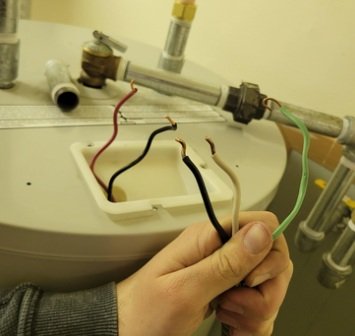
When selecting a water heater, one of the critical aspects to consider is the installation process. Different types of water heaters, such as tankless, solar, and traditional storage heaters, have varying installation requirements. For instance, tankless water heaters may necessitate upgrades to gas lines or electrical systems due to their higher energy demands. Therefore, preparing for installation costs and potential modifications is essential for an efficient setup.
Professional installation is often recommended over a DIY approach. While DIY installation can save upfront costs, improper setup can lead to complications, safety hazards, and voided warranties. Licensed technicians possess the expertise required to handle technical installations, ensuring compliance with local building codes. Additionally, hiring professionals can minimize the risks of leaks or system failures post-installation.
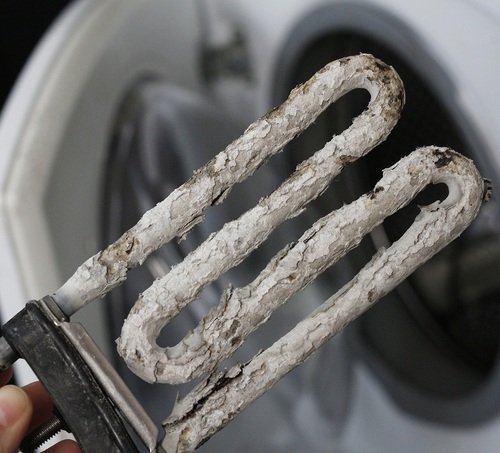
Beyond installation, the ongoing maintenance of a water heater is crucial for its longevity. Regular maintenance practices can greatly enhance the lifespan of the unit. One important task is the annual flushing of the tank to remove sediment buildup, which can lead to inefficiencies and potential damage to the system. Moreover, ensuring the anode rod is replaced is vital for preventing rust and corrosion, which can compromise the functionality of the water heater.
Routine checks for leaks should also be a part of the maintenance schedule. These inspections can help identify problems early, allowing for timely repairs and preventing extensive damages. By adhering to these maintenance considerations—particularly through professional services—homeowners can ensure not only the optimal performance of their water heaters but also prolong their service life. Regular check-ups and proper care ultimately lead to an enhanced user experience, ensuring hot water is always available when needed.
Environmental Impact and Sustainability
When selecting a water heater, understanding the environmental impact of various types is crucial. Traditional water heaters, especially those powered by fossil fuels, contribute significantly to carbon emissions. Their carbon footprint, resulting from burning natural gas or oil, not only impacts air quality but also contributes to climate change. By contrast, renewable energy options, such as solar water heaters, offer a more sustainable alternative. These systems harness the sun’s energy, thereby drastically reducing greenhouse gas emissions and reliance on non-renewable resources.
Additionally, modern electric water heaters, particularly those integrated with energy-efficient technologies, are designed to use electricity sourced from renewable energy grids, further minimizing their environmental impact. Consumers should consider the energy source powering their water heater, as this can greatly influence both operational emissions and overall sustainability.
Another important aspect to consider is the lifecycle of the water heater, including the disposal and recycling of old units. Many traditional water heaters have components that may not be environmentally friendly if simply discarded. However, numerous manufacturers now produce models that can be disassembled and recycled, minimizing waste and maximizing resource recovery. Researching recycling programs and disposal options can inform users on how to responsibly handle their old water heaters, hence reducing the environmental burden.
In conclusion, being conscious of the environmental implications of water heater choices can influence both immediate costs and long-term sustainability. By prioritizing eco-friendly alternatives, consumers can significantly contribute to reducing their carbon footprints and promote a more sustainable future.