Choosing the Best Water Heater for Your Home: A Complete Guide
When selecting a water heater, it is essential to have a thorough understanding of your hot water needs. Several factors influence how much hot water you require, and evaluating these can help you choose the most suitable system for your household.
The size of your household is one of the primary determinants of hot water needs. Larger families typically have greater demands for hot water, especially during peak hours when multiple showers, dishwashing, and laundry occur simultaneously. It is advisable to assess not only the number of people living in your home but also their daily routines, which dictate the times when hot water consumption is at its peak.
Additionally, identifying the types of appliances that will draw on the hot water supply is crucial. Common water heaters power appliances such as washing machines, dishwashers, and showers. Each of these appliances uses a different amount of hot water; for instance, a shower may require about 2.5 gallons per minute, while a washing machine might utilize 15-30 gallons per load, depending on the model and settings. Assessing the specific requirements of these appliances can give you a clearer picture of the overall hot water demand.
Another aspect to consider is the peak usage times during the day. Many households experience a spike in hot water needs in the mornings and evenings when family members are preparing for work, school, or winding down for the day. By pinpointing these peak times, you can better estimate your maximum hot water consumption, ensuring your chosen water heater can accommodate your needs efficiently, without resulting in wasted energy or resources.
Types of Water Heaters Available
When selecting a water heater for your home, understanding the various types available is crucial to ensure it meets your specific needs. The most common types include traditional tank storage, tankless, solar, and heat pump water heaters, each offering distinct advantages and disadvantages.
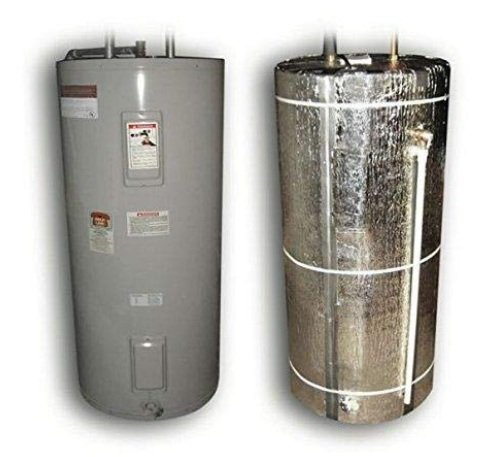
Traditional Tank Storage Water Heaters: These are the most common type, consisting of a large insulated tank where water is heated and stored. They are relatively affordable to purchase and install, available in various sizes ranging from 20 to 80 gallons. However, they typically have higher energy costs due to continuous heating, and if the tank runs out of hot water, it can take time to refill and reheat.
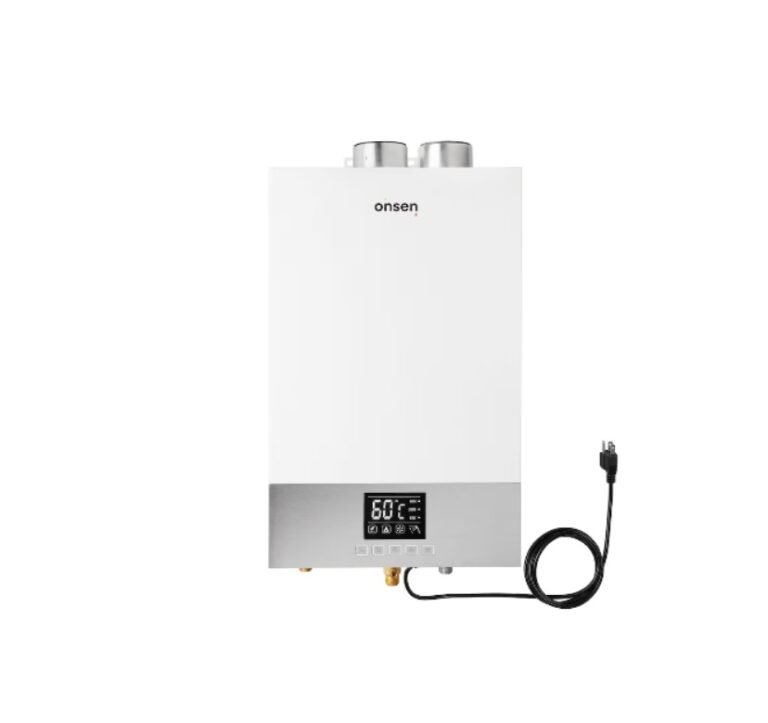
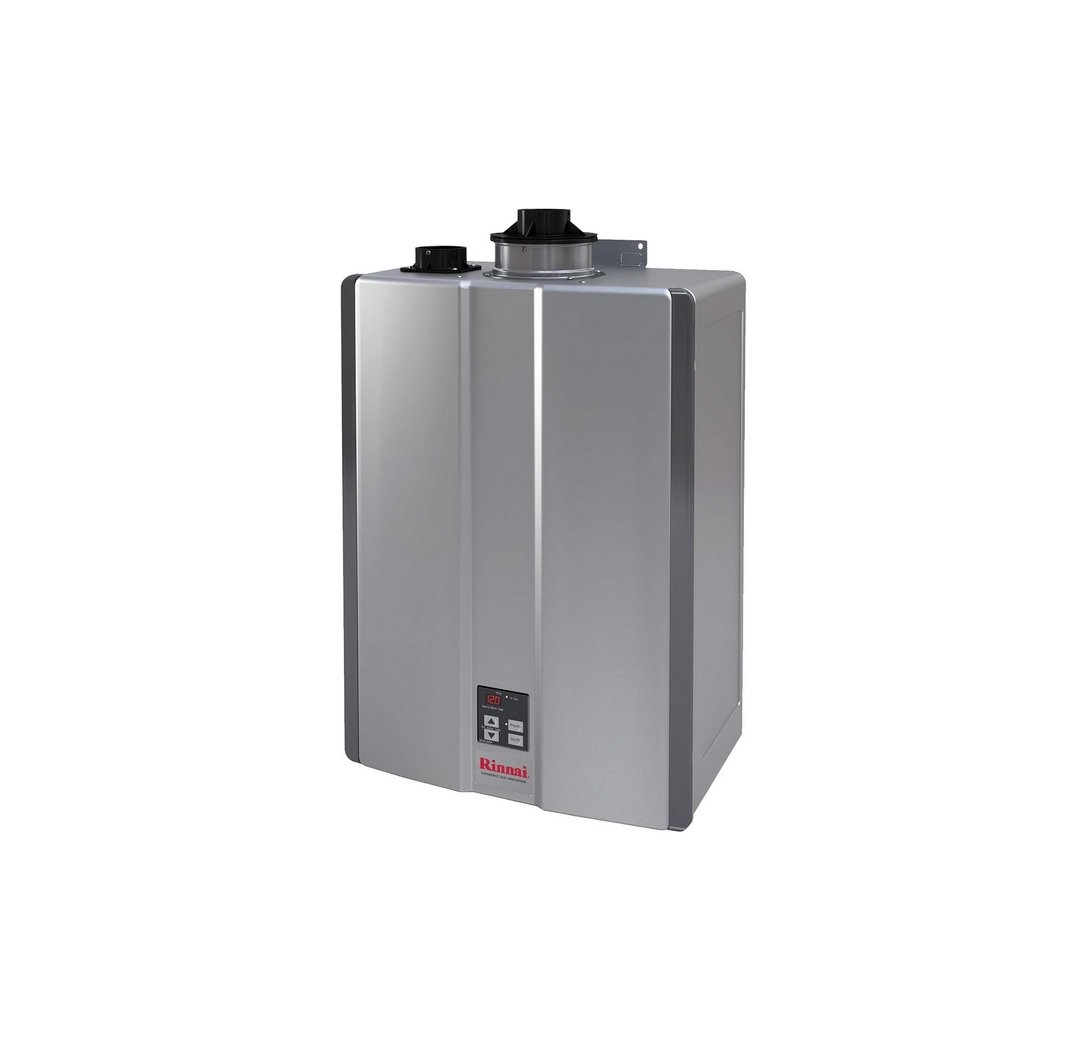
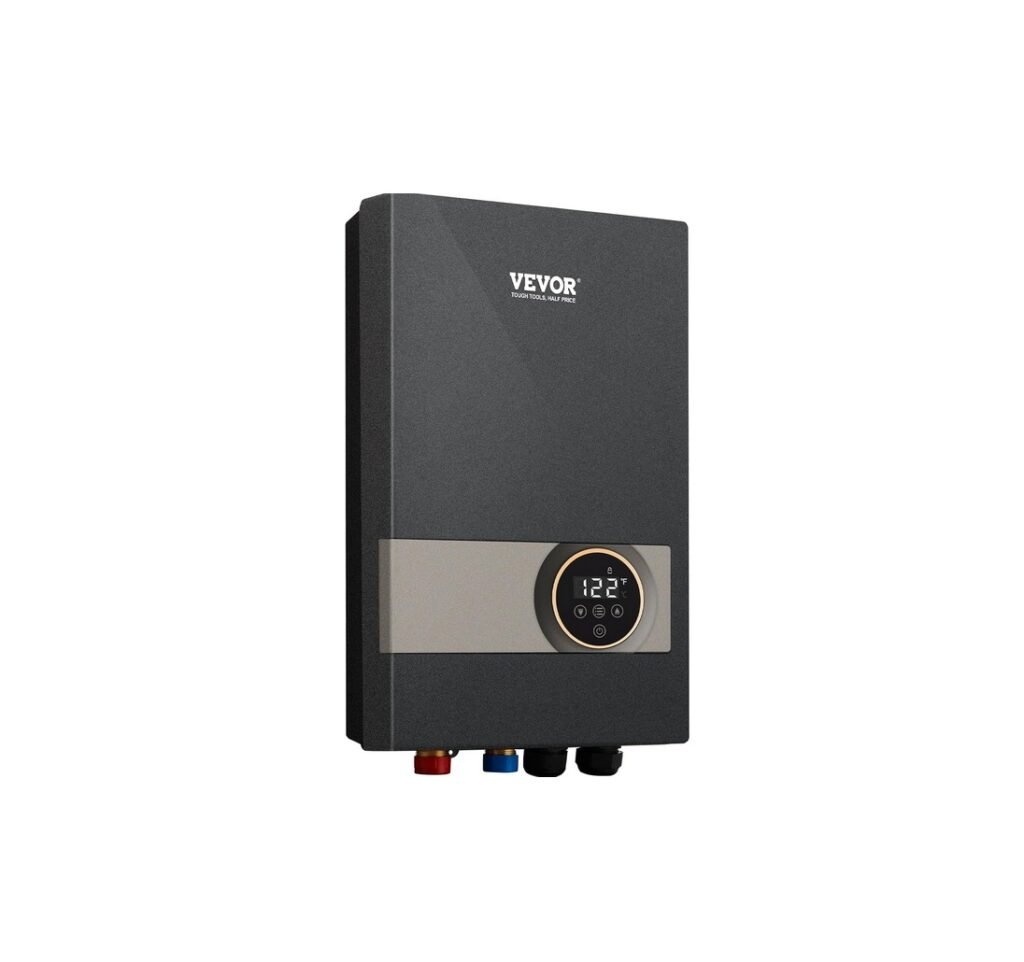
Tankless Water Heaters: Also known as on-demand water heaters, these units heat water directly without the use of a storage tank. They can provide a continuous supply of hot water, which is ideal for larger households. Energy efficiency is a significant advantage as they only heat water when needed. However, they can have higher upfront costs and may require additional modifications to plumbing systems.
Solar Water Heaters: This eco-friendly option uses solar panels to capture energy from the sun to heat water, significantly reducing utility costs. The initial investment can be higher due to installation and equipment costs. Nevertheless, they provide long-term energy savings and reduce carbon footprints, making them a compelling option for environmentally conscious homeowners.
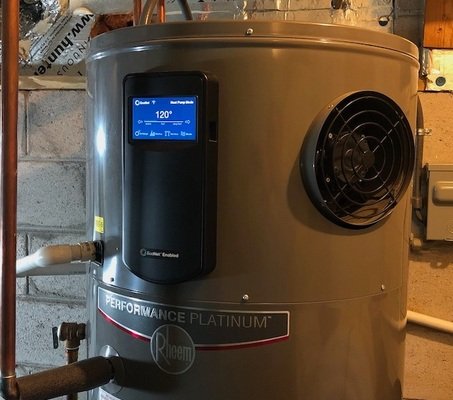
Heat Pump Water Heaters: These units work by transferring heat from the air or ground to heat water, offering great energy efficiency. They can save homeowners money on energy bills but require adequate space for installation and may be less effective in colder climates, impacting their performance.
Ultimately, the choice of water heater should reflect your household’s needs, budget constraints, and environmental considerations. Evaluating these types of water heaters will enable you to make an informed decision tailored to your unique circumstances.
Key Features to Consider When Choosing a Water Heater
When selecting a water heater for your home, there are several key features to evaluate to ensure optimal performance and suitability for your needs. Firstly, energy efficiency ratings play a crucial role in assessing a water heater’s operational costs. Look for models that bear the Energy Star label, as these appliances meet stringent efficiency standards, which can lead to significant savings on energy bills over time.
Another important feature is the recovery rate, which indicates how quickly a water heater can warm a specified amount of water. For households with high hot water demand, a model with a higher recovery rate is essential, ensuring that your water heater can provide a consistent supply of hot water without lengthy waits. Additionally, consider the tank capacity, as this will determine how much hot water is available at any given time. It is crucial to choose a size that accommodates your family’s usage patterns to avoid running out of hot water during peak times.
Warranty periods are also an important consideration when choosing a water heater. A longer warranty typically reflects the manufacturer’s confidence in the product’s durability and reliability, providing peace of mind regarding potential future repairs or replacements. Maintenance needs should not be overlooked, as some models require more frequent servicing than others. Understanding these requirements will help you choose a water heater that fits your lifestyle and maintenance capabilities.
Furthermore, new technologies, such as smart thermostats and leak detection systems, can enhance functionality and efficiency, allowing homeowners to monitor their water heater performance remotely. By carefully evaluating these features – energy efficiency ratings, recovery rates, tank capacities, warranty periods, maintenance needs, and emerging technologies – you can make an informed decision that ensures your water heater remains efficient and reliable for years to come.
Installation and Maintenance Tips
When choosing a water heater for your home, installation and maintenance are key factors that significantly impact efficiency and longevity. Opting for professional installation, particularly for complex systems like tankless water heaters, is often recommended. Licensed plumbers have the expertise to ensure installation complies with local codes and manufacturer specifications. On the other hand, DIY installation may be suitable for simpler units, but bear in mind that any errors could lead to inefficient operation or even damage.
Cost considerations play a vital role in the installation process. Typically, professional installation costs can range from $500 to $1,500 depending on the type of water heater and local labor rates. It is crucial to obtain multiple quotes before making a decision. Additionally, consider the potential for additional costs such as permits or modifications to existing plumbing or electrical systems.
Common mistakes to avoid during installation include neglecting to check local building codes, misjudging the required space for ventilation or accessibility, and incorrectly connecting the water lines or power supply. To avoid these pitfalls, detailed planning and possibly consulting professionals ahead of time are advisable.
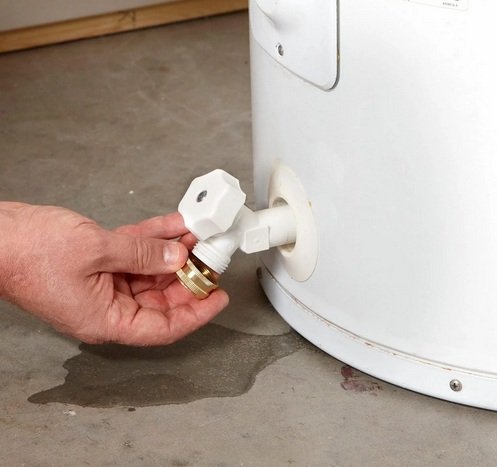
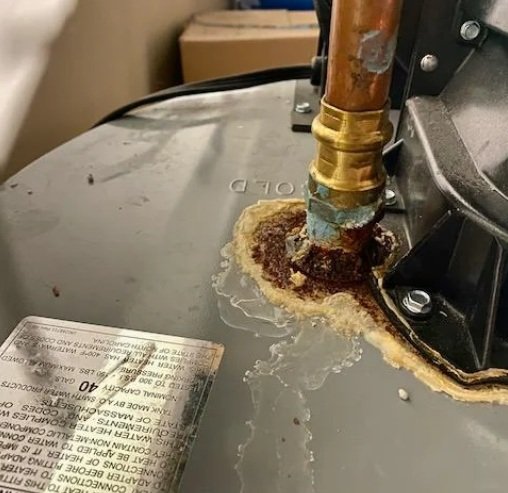
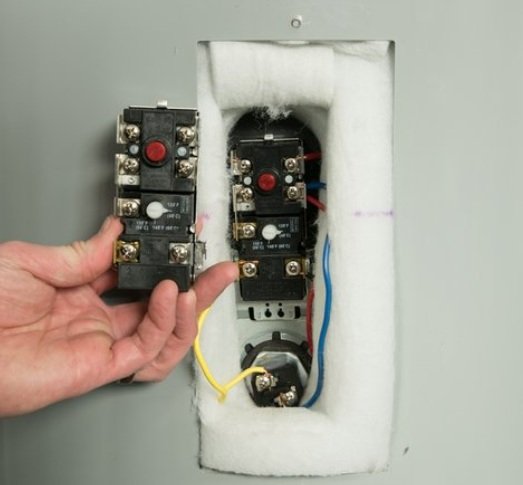
Once your water heater is installed, maintaining it is essential for optimal performance and to extend its lifespan. A comprehensive maintenance checklist should include regular inspections of the tank for corrosion, sediment build-up, and the integrity of the connections. Flushing the tank annually can help remove sediment accumulation, which compromises heating efficiency. Additionally, checking the pressure relief valve and maintaining proper temperature settings can prevent undue stress on the unit.
To summarize, careful installation and diligent maintenance are critical to ensuring your water heater operates efficiently. Following these tips will not only save you money on repairs but also make certain that your water heater continues to meet your household needs effectively.