Avoid Running Your Water Heater Tank Dry: Best Practices and Tips
Water heaters are an essential component of modern residential plumbing, providing hot water for various household needs, from bathing to dishwashing. There are two primary types of water heaters: tankless and storage (or tank-type) heaters. Each has its unique functioning, advantages, and maintenance requirements.
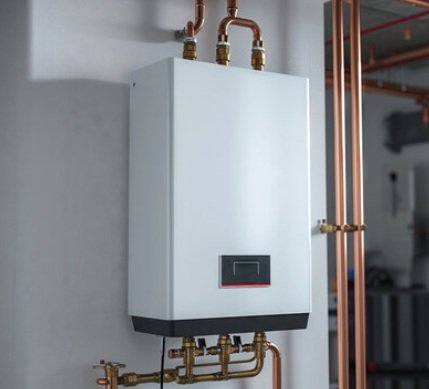
Tankless water heaters, also known as on-demand heaters, only heat water as needed. This system uses electric coils or gas burners to warm water instantly, allowing for an uninterrupted supply of hot water. One significant benefit of tankless units is that they do not require a storage tank, which means they are typically more energy-efficient and take up less space. However, it’s crucial to ensure a consistent water flow as they can only heat water in a limited capacity at one time.
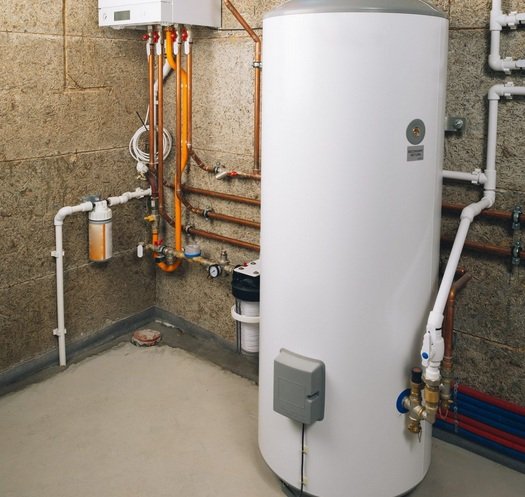
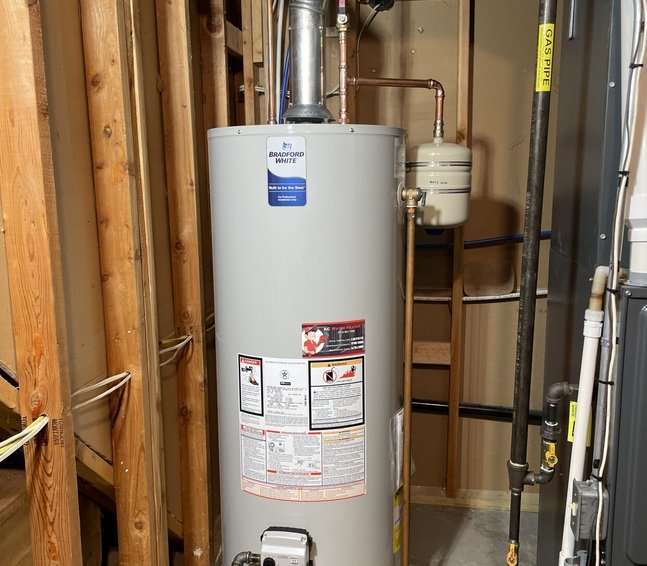
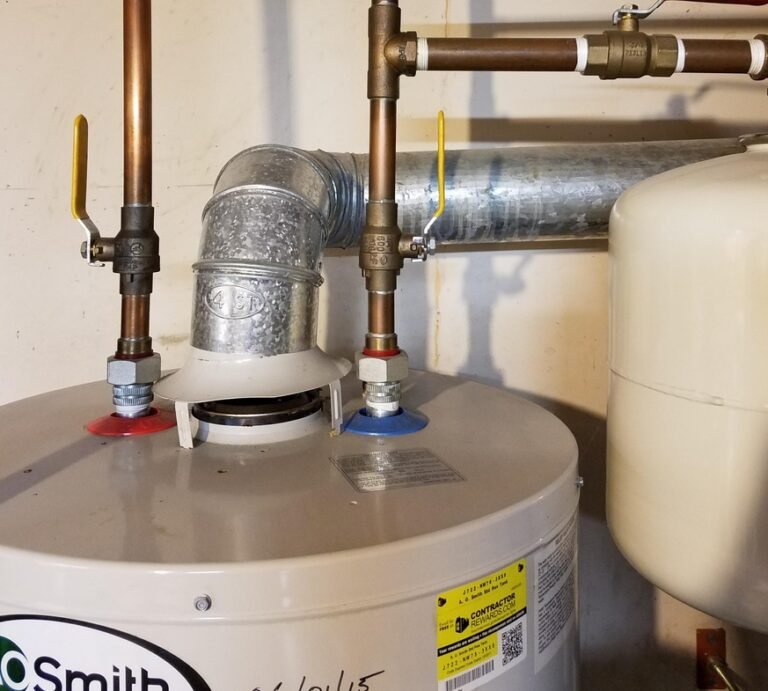
On the other hand, storage water heaters come equipped with an insulated tank that holds a specific amount of hot water, ready for use whenever necessary. These traditional heaters require more maintenance, particularly regarding the water level in the tank. Running a storage heater dry can lead to severe operational issues. For instance, the heating elements can overheat, resulting in damage that may necessitate costly repairs or even complete replacement.
Maintaining an adequate water level is not only vital for efficiency but also extends the lifespan of the water heater. When a heater operates without sufficient water, it can decrease performance and energy efficiency. This situation emphasizes the importance of regular checks and maintenance practices to avoid running your water heater tank dry. By understanding the differences between types of heaters and their operating principles, homeowners can make informed decisions about usage and care, ensuring reliable hot water access while avoiding unnecessary problems.
The Risks of Running Your Water Heater Dry
Allowing your water heater to run dry can pose significant risks that may result in costly and avoidable consequences. One of the most critical issues that arises from operating a water heater without sufficient water is damage to the heating elements. When the tank is empty, the heating elements are exposed and can overheat, leading to their malfunction. This damage often requires expensive repairs or even complete replacement, thus increasing the overall maintenance costs associated with your water heating system.
Moreover, a dry water heater can lead to potential leaks through the formation of cracks in the tank itself. The extreme heat generated in the absence of water can weaken the structural integrity of the tank, making it prone to failure. When the tank eventually ruptures or develops leaks, homeowners may face water damage in their properties, which can result in further repair costs and inconveniences.
In addition to immediate financial implications, running your water heater dry can severely impact its overall efficiency and lifespan. A water heater that is frequently operated without adequate water supply tends to work harder to reach the desired temperature, leading to increased energy consumption and inflated utility bills. Over time, this strain on the system can accelerate wear and tear, decreasing the expected lifespan of the water heater.
In summary, the risks associated with running your water heater dry include severe damage to the heating elements, potential leaks, and increased repair costs. These factors not only compromise the functionality of your system but also affect its efficiency and longevity. It is crucial to adhere to best practices to avoid these undesirable outcomes, ensuring a more reliable and economically viable water heating solution.
Signs Your Water Heater is Low on Water
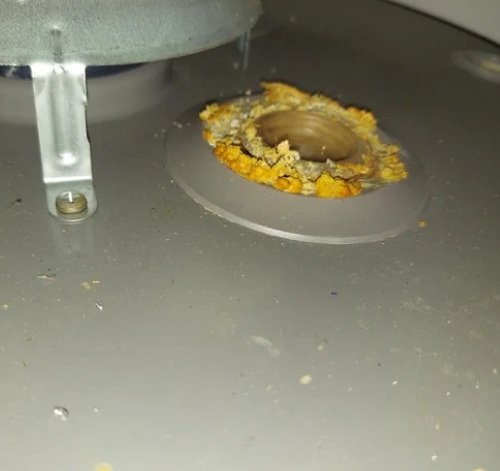
Recognizing the early signs that your water heater is low on water can prevent significant damage and ensure efficient operation. One of the primary indicators is unusual noises coming from the unit. When water levels drop, the heating elements may overheat, causing a popping or rumbling sound that is typically not present during normal operation. If you encounter such noises, it may be time to inspect your water heater for low water levels.
Another common sign is temperature fluctuations. A well-functioning water heater should provide consistent hot water. However, if you experience unexpected cool or lukewarm water during showers or other activities that require hot water, this may indicate that the heater is running low on its water supply. Maintaining steady temperatures is essential for comfort; thus, recognizing these variations can help you take immediate action to rectify the issue.
Decreased hot water availability is also a critical sign that your water heater might be low on water. If you find that the hot water runs out much quicker than usual, it may suggest that there isn’t enough water in the tank to meet demand. This situation can lead to inconveniences like cold showers or insufficient hot water for household chores. In such cases, it’s advisable to check your water heater for potential low water levels and consider taking corrective measures.
Promptly addressing these signs is crucial, as neglecting them can lead to more severe problems, including potential damage to the water heater and increased energy consumption. If you suspect that your water heater is low on water, it is prudent to consult a professional who can provide an assessment and ensure your unit is functioning correctly.
Best Practices to Prevent Your Water Heater from Running Dry
To maintain the efficiency and longevity of your water heater, it is essential to adopt specific best practices that prevent the unit from running dry. One of the foremost measures includes performing regular maintenance. Scheduled check-ups by a professional can help identify potential issues before they escalate. During these inspections, ensure that the technician examines the overall condition of the water heater, including its connections and components, to detect any signs of wear or malfunction.
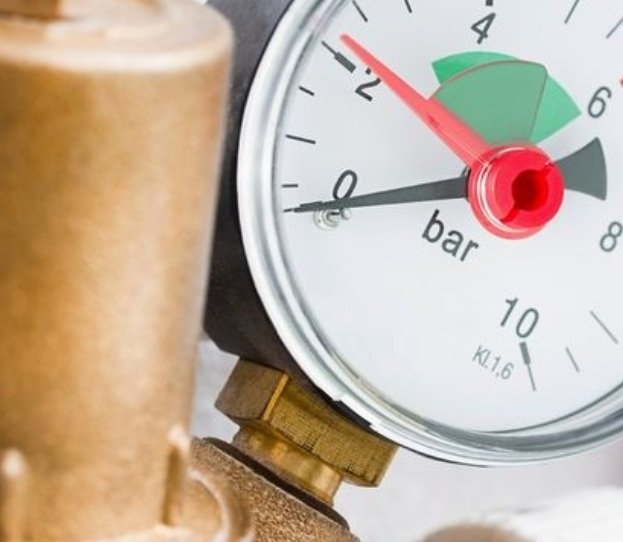
Another crucial aspect to consider is the pressure relief valve. Regularly checking this valve is vital since it helps in maintaining optimal pressure within the tank. Should the valve fail to function correctly, it could lead to increased pressure, which might cause the tank to overheat or, worse, explode. Therefore, routinely testing the valve ensures that it operates as intended, allowing for safe and effective release of excess pressure.
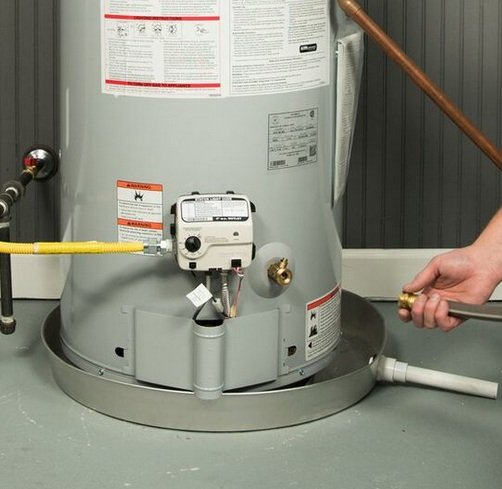
Additionally, undertaking periodic flushing of the tank is advisable. Sediment buildup can occur over time, leading to efficiency losses and even premature failure of the water heater. Flushing the tank helps remove this sediment, enhancing the heater’s efficiency and prolonging its operational life. Depending on the water quality in your area, this may be recommended once a year or more frequently.
Setting the thermostat at an appropriate temperature is another preventive measure. Lowering the thermostat setting to around 120°F can help prevent overheating while still providing sufficient hot water. Ensuring the thermostat is accurately calibrated will not only promote comfort but will also guard against conditions that could lead to the heater running dry.
By following these practices, homeowners can effectively prevent their water heaters from running dry, ensuring optimal performance and prolonging the lifespan of the unit.