A Comprehensive Guide to Hybrid Electric Water Heater Models
Hybrid electric water heaters represent an innovative approach to water heating, combining traditional electric heating elements with advanced heat pump technology. This integration allows these systems to harness ambient air heat, making them significantly more energy-efficient than conventional electric water heaters. The primary operation of a hybrid electric water heater involves using heat pump technology to extract heat from the surrounding air, which is then transferred to the water in the tank. When temperatures are too low for the heat pump to operate optimally, the unit automatically switches to the electric heating element, ensuring a constant supply of hot water.
The main components of a hybrid electric water heater include a heat pump unit, an electric heating element, and a storage tank. The heat pump consists of a compressor, an evaporator, and a condenser, which work together to absorb heat and transfer it to the water. This dual functionality allows hybrid models to adapt their heating methods according to various conditions, optimizing energy usage, and minimizing costs.
The benefits of using hybrid electric water heaters are substantial. Firstly, they have been shown to reduce energy consumption by up to 60% compared to traditional electric water heaters, resulting in lower utility bills. This energy efficiency is not only beneficial for homeowners’ finances but also contributes positively to the environment by lessening greenhouse gas emissions. Additionally, many hybrid electric water heaters are equipped with smart technology, allowing users to monitor and control energy usage via smartphone applications, further enhancing user convenience and efficiency.
In conclusion, hybrid electric water heaters are a modern solution for efficient water heating, merging traditional heating elements with heat pump technology. Their operation and components emphasize sustainability and cost-effectiveness, making them an appealing choice for homeowners looking to reduce their energy footprint.
Different Models of Hybrid Electric Water Heaters
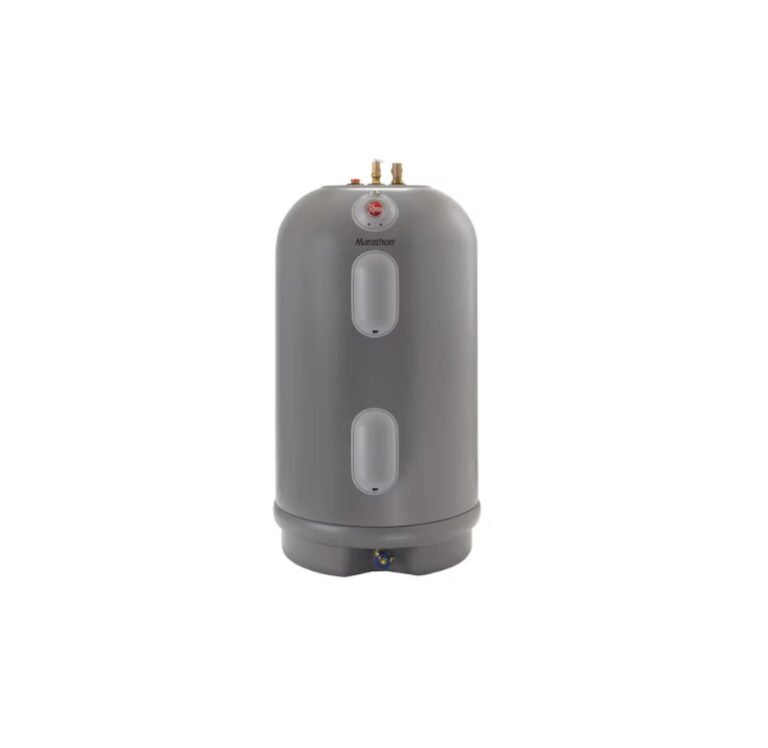
Hybrid electric water heaters represent a significant advancement in energy-efficient water heating solutions. The market currently offers a diverse range of models, each designed with unique features that cater to varying household needs. Among the most popular brands are Rheem, A.O. Smith, and Bradford White, which each provide distinctive models with specific capacities and efficiencies.
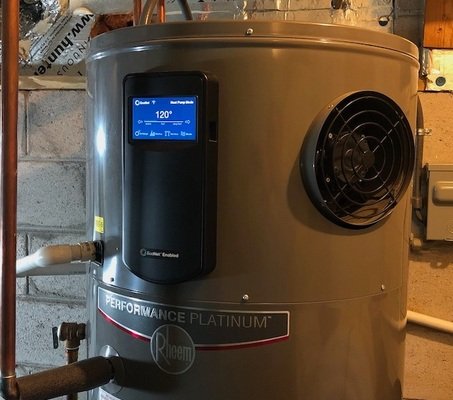
The Rheem Performance Platinum Hybrid model, for example, has a capacity of up to 80 gallons and boasts a high Energy Factor (EF) of 3.55. This model utilizes advanced heat pump technology to maximize efficiency while minimizing energy consumption. Additionally, its integrated Wi-Fi connectivity allows for remote monitoring and control, enhancing the user experience.
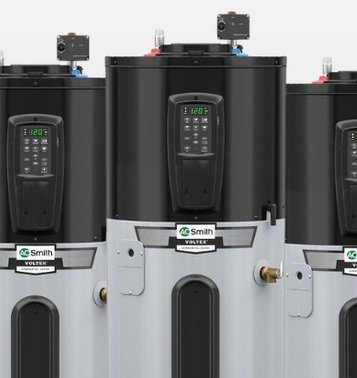
A.O. Smith offers the Voltex Power Vent model, which is another excellent option. With a maximum capacity of 66 gallons and an EF rating of 3.75, this model is particularly noted for its reliability and user-friendly design. Priced competitively, it often receives high customer ratings due to its performance in various climates and the quality of its components.
Bradford White’s AeroTherm series is noteworthy as well, featuring capacities ranging from 50 to 80 gallons. This model is recognized for its unique design, which combines a heat pump with a traditional electric heating element. With an efficiency rating of 3.48, it stands out through its innovative approach to water heating while being budget-friendly.
Customer reviews play an essential role in assessing these models. Feedback often highlights user satisfaction related to energy savings and the effective heating capabilities of these hybrid electric water heaters. Collectively, these insights provide a comprehensive view that can significantly aid consumers in selecting the most appropriate model tailored to their specific needs.
Installation and Maintenance Tips
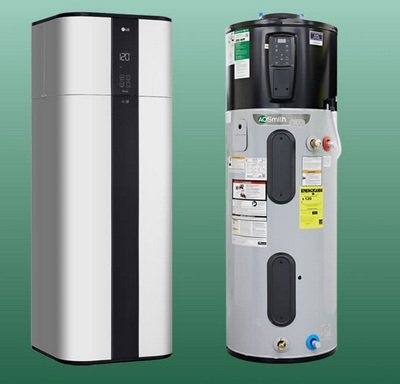
Installing a hybrid electric water heater requires careful planning and execution to ensure optimal performance and longevity. The initial step is to select an appropriate location for installation. A well-ventilated area is crucial, as these units expel heat during operation. Ensure that there is ample space for the heater, paying attention to the manufacturer’s specifications concerning clearance requirements. This facilitates easy access for maintenance and future repairs.
Furthermore, it is advisable to engage a qualified professional for the installation of hybrid electric water heaters. While DIY approaches are popular, improper installation can lead to safety hazards and inefficiencies. Licensed professionals are trained to navigate the complexities of local building codes and standards, which vary significantly between regions. This not only ensures compliance but also contributes to the overall safety and efficiency of the unit.
Once installed, maintenance plays a key role in the effective operation of hybrid electric water heaters. Regular inspections should be a priority, allowing homeowners to identify and address potential issues before they escalate. It is recommended to clean the unit periodically, particularly the filters and vents, to maintain energy efficiency.
Common issues can arise, such as fluctuating water temperatures or unusual noises. Understanding how to troubleshoot these problems can be invaluable. For instance, if the water temperature is inconsistent, checking the thermostat settings and ensuring there are no obstructions in the water supply lines may resolve the issue.
In conclusion, proper installation and diligent maintenance are paramount for the effective operation of hybrid electric water heaters. By adhering to these guidelines, homeowners can enhance the longevity and performance of their units while ensuring safety and efficiency.
Cost Analysis and Long-term Benefits
When evaluating hybrid electric water heaters, one of the most critical factors to consider is the initial cost associated with their purchase and installation. These systems typically have a higher upfront cost compared to traditional water heaters, often ranging from $1,200 to $3,000, including installation. However, the investment can be justified by the long-term savings on energy costs, as hybrid models are designed to use significantly less electricity than conventional electric water heaters.
Operational costs are another essential aspect to analyze. Hybrid electric water heaters employ heat pump technology, which extracts heat from the surrounding air to heat water, making them much more energy-efficient. Homeowners can expect operational costs to be reduced by up to 60%, resulting in annual savings of approximately $300 to $500 depending on usage and local energy rates. This considerable reduction in energy consumption can lead to a favorable return on investment (ROI) over the lifespan of the unit, typically estimated to be around 10 to 15 years.
Additionally, various rebates, tax incentives, and financing options are available for homeowners looking to invest in hybrid electric water heaters. Many states and utility companies offer rebates that can significantly offset the initial cost. Furthermore, tax deductions may apply under certain energy efficiency programs, enhancing the financial feasibility of switching to these energy-efficient systems. Homeowners should research these opportunities and factor them into their overall cost analysis.
Ultimately, while the initial investment for a hybrid electric water heater may seem substantial, the combination of reduced operational costs, available incentives, and potential long-term savings can make it a worthwhile option for many households. A thorough evaluation of these factors will assist in understanding the true financial benefits of transitioning to hybrid electric water heaters.