A Comprehensive Guide to Choosing the Right Water Heater for Comfort and Efficiency
When it comes to selecting a water heater, understanding the various models available is essential for making an informed decision. Among the most common types are traditional tank water heaters, tankless water heaters, solar water heaters, heat pump water heaters, and hybrid water heaters.
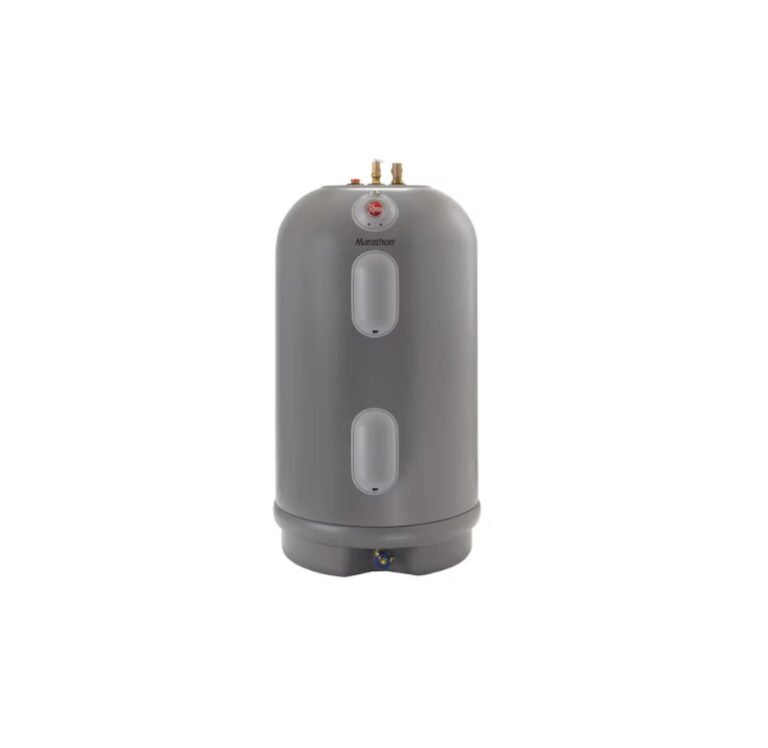
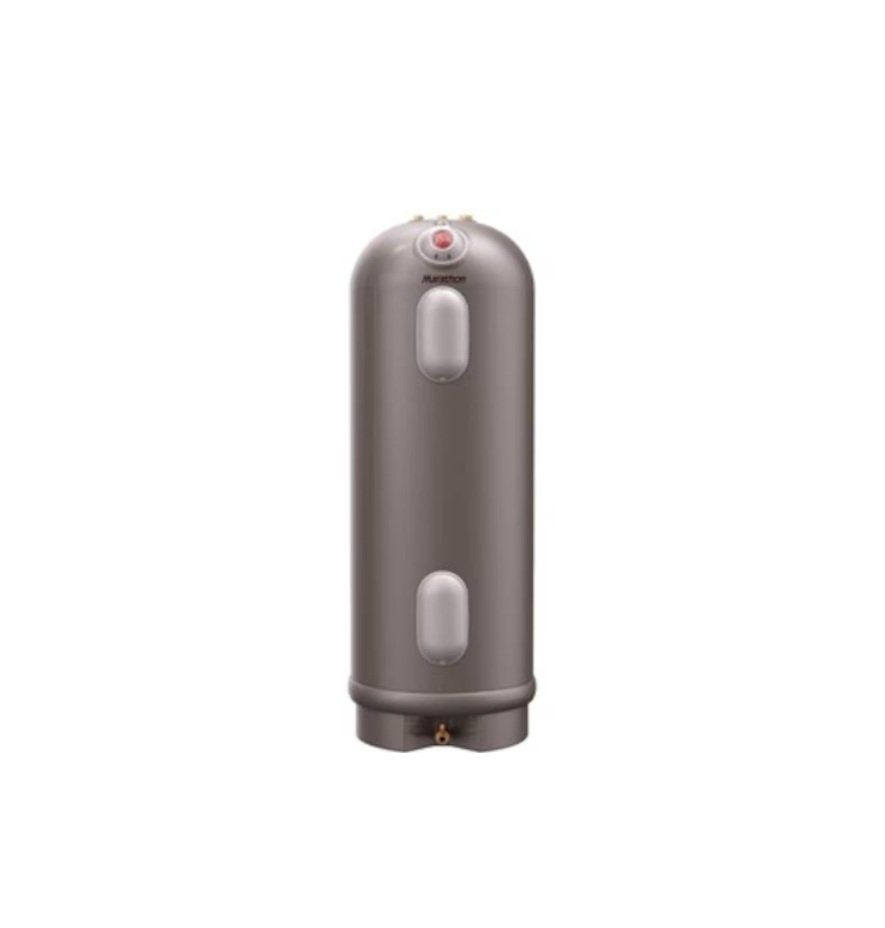
Traditional tank water heaters are the most prevalent option, typically featuring a large storage tank that holds heated water, making it readily available for use. They are generally cost-effective upfront but can be less energy-efficient over time due to standby heat loss.
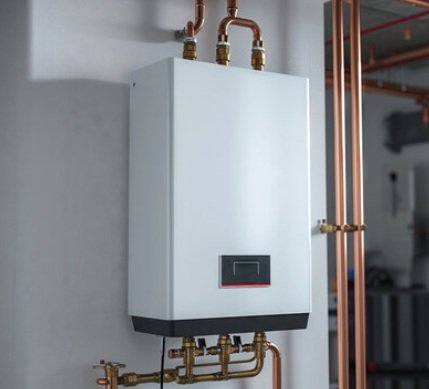
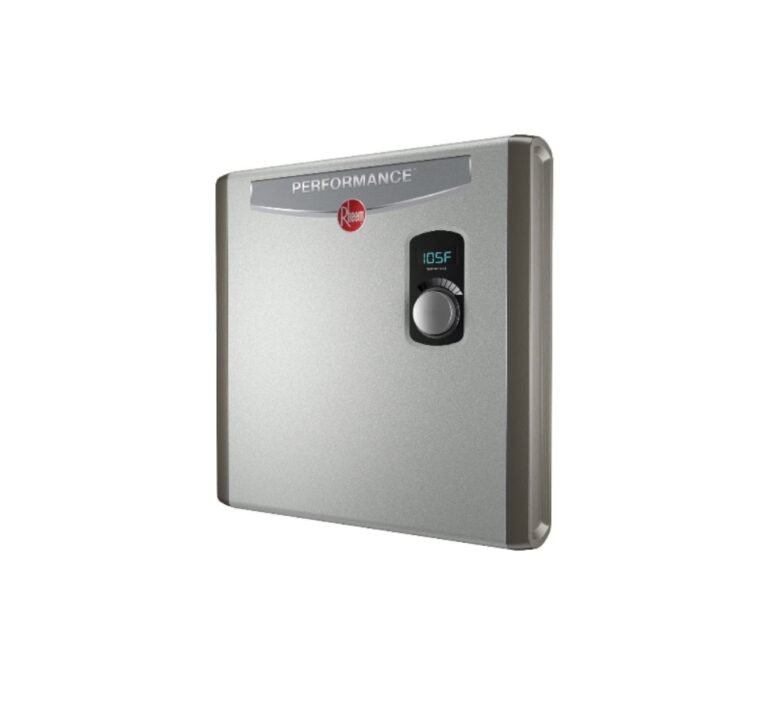
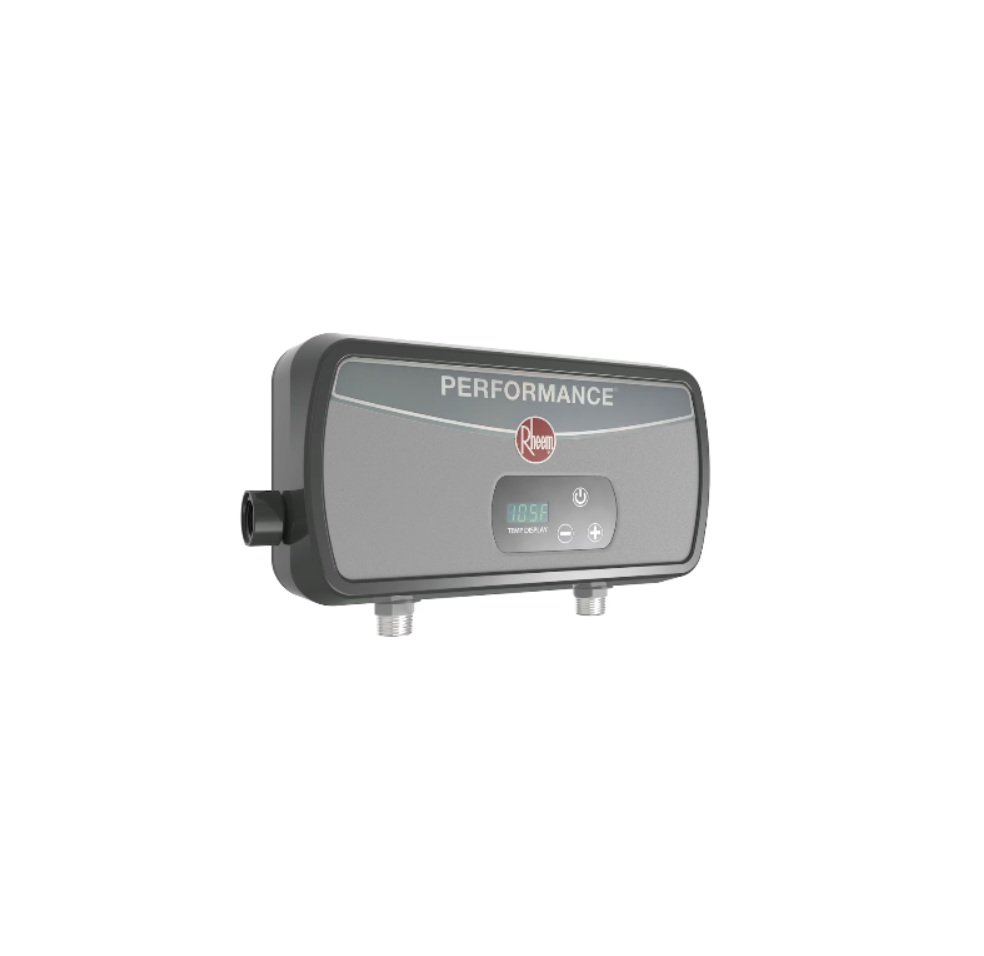
In contrast, tankless water heaters, also known as on-demand water heaters, heat water directly without the need for a storage tank. This method provides hot water only as needed, resulting in lower energy costs and endless supply. However, they may present challenges during peak usage times if not appropriately sized for the household needs.
Solar water heaters harness solar energy to heat water, providing a renewable and environmentally friendly option. While they can significantly reduce utility bills, they often require a backup heating system for cloudy days or higher demand periods. Installation can be more complex, often needing a larger initial investment.
Heat pump water heaters utilize electricity to move heat rather than generate it directly, offering a highly efficient method to heat water. They work best in moderate climates and can be less effective in colder temperatures.
Lastly, hybrid water heaters integrate both electric heating elements and heat pump technology to optimize efficiency. They adapt to the household’s water use patterns, ensuring cost-effective operations but can come with a higher price tag than traditional systems.
When choosing a water heater, factors such as installation space, fuel source availability, initial investment, and energy efficiency ratings must be taken into account. Each type offers its unique advantages and disadvantages, necessitating careful evaluation based on the specific needs of a household.
Assessing Your Hot Water Needs
Understanding your household’s hot water needs is crucial when choosing an appropriate water heater. Factors such as family size, peak usage hours, and the specific requirements of appliances and fixtures play significant roles in this assessment.
First, consider the number of individuals in your household, as this directly correlates with the volume of hot water consumed daily. For instance, a family of four typically requires more hot water than a single-person household. Additionally, the presence of young children, who often use hot water for baths or other needs, can increase overall consumption considerably.
Next, analyze peak usage hours. Most households experience high demand for hot water during specific times, like mornings when multiple family members may shower or in the evenings when chores such as laundry or dishwashing are performed. Identifying these peak times allows for more accurate planning of hot water availability, ensuring that everyone in the household can access it when needed.
Also, take into account the water heating requirements of specific appliances and fixtures. Certain appliances, such as dishwashers and washing machines, have specific hot water needs, typically ranging from 120°F to 140°F. If your home includes these appliances, it’s essential to factor their consumption into your calculations. For example, a dishwasher may use approximately 6 gallons of hot water per cycle, while a shower can consume around 2 gallons per minute. This understanding of usage patterns will assist you in estimating overall hot water demand more accurately.
By closely evaluating these aspects, you can determine the daily hot water requirements of your household. This assessment impacts the choice of water heater size and type, ultimately contributing to greater comfort and efficiency in your home.
Energy Efficiency Ratings and Considerations
When selecting a water heater, energy efficiency plays a crucial role in ensuring both environmental sustainability and cost-effectiveness. Energy efficiency ratings provide an important benchmark for consumers, helping them to compare the performance of different water heater models. One of the most commonly referenced metrics is the Energy Factor (EF), which indicates the overall efficiency of the heater in converting energy into hot water. A higher EF indicates a more efficient water heater, leading to reduced energy consumption and lower utility bills over time.
In addition to the Energy Factor, considering ENERGY STAR certified models is essential. These products meet rigorous efficiency guidelines set by the U.S. Environmental Protection Agency, assuring consumers that they are making a wise investment in both quality and efficiency. Choosing a certified model can often lead to significant savings on energy costs, and many states offer rebates or incentives for selecting ENERGY STAR products, further enhancing their financial viability.
Innovative technologies also play a pivotal role in the realm of energy-efficient water heaters. For instance, heat pump water heaters utilize electricity to transfer heat rather than generate it directly, resulting in notably lower energy usage compared to conventional electric water heaters. Similarly, tankless water heaters, which heat water on demand rather than storing it in a tank, can provide substantial energy savings and efficiency. When evaluating different water heater options, it is imperative to take these technological advancements into account, as they can have a significant impact on both your home’s energy consumption and your ongoing costs.
Installation and Maintenance Tips for Longevity
Choosing the right installation method for your water heater is crucial for ensuring optimal performance and longevity. Homeowners can choose between professional installation services or opt for a DIY approach, depending on their skill level and the type of water heater selected. For standard tank water heaters, it is generally advisable to engage a licensed plumber to ensure that local plumbing codes are met, which can prevent future complications. Conversely, some homeowners may feel comfortable installing tankless or hybrid water heaters with the proper guidance and tools.
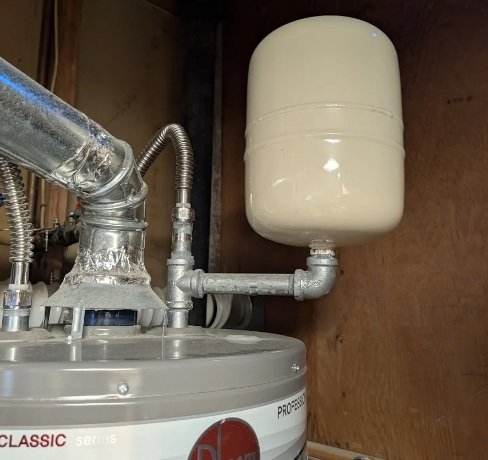
Regardless of the installation method, it is imperative to consider crucial factors such as clearances, ventilation, and proper plumbing connections. Ensuring that all components are installed according to the manufacturer’s specifications helps to maximize efficiency and reduce the risk of future repairs.
Once the water heater is installed, maintenance is essential to prolong its life and efficiency. Regular maintenance tasks include checking the anode rod, which helps prevent tank corrosion, and flushing the tank to remove sediment build-up. Sediment can hinder heating efficiency and reduce the lifespan of the unit. Checking temperature settings on the thermostat is also vital; ideally, it should be set at 120°F to strike a balance between comfort and energy efficiency.
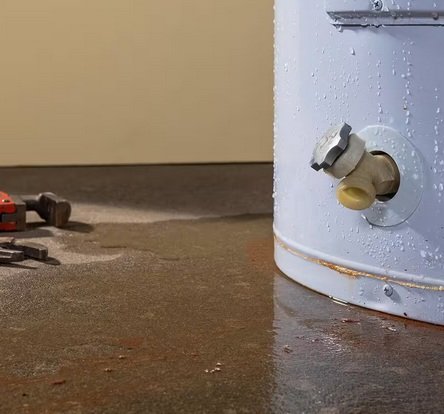
Additionally, homeowners should remain vigilant for signs of wear and malfunction, such as unusual noises, leaks, or rust around the tank. Should any of these symptoms be detected, it is advisable to consult a professional technician. Routine inspections can also identify potential issues before they escalate, providing peace of mind and prolonging the overall life of the water heater.
In summary, whether opting for professional installation or taking a DIY route, a thorough understanding of the necessary installation and maintenance practices will contribute significantly to the longevity of your water heater.