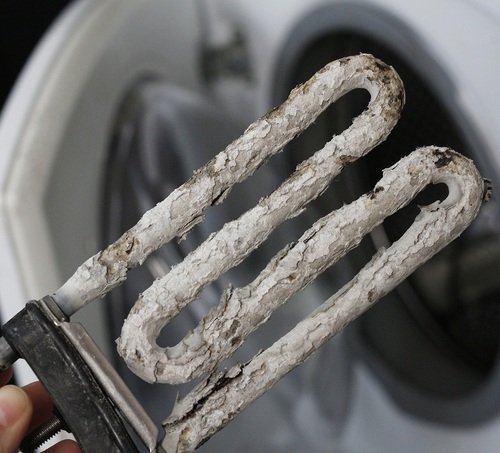
A Comprehensive Guide on How to Refill a Water Softener Salt Tank
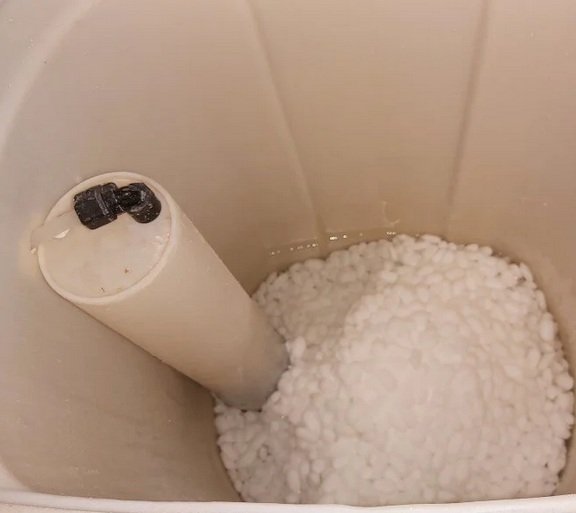
A water softener is an essential device designed to alleviate the adverse effects of hard water, which contains high levels of calcium and magnesium. These minerals can create a range of problems, from limescale accumulation on household fixtures to reduced effectiveness of soaps and detergents. A water softener employs a process known as ion exchange to remove these hardness ions from the water supply, replacing them with sodium ions that do not cause these issues.
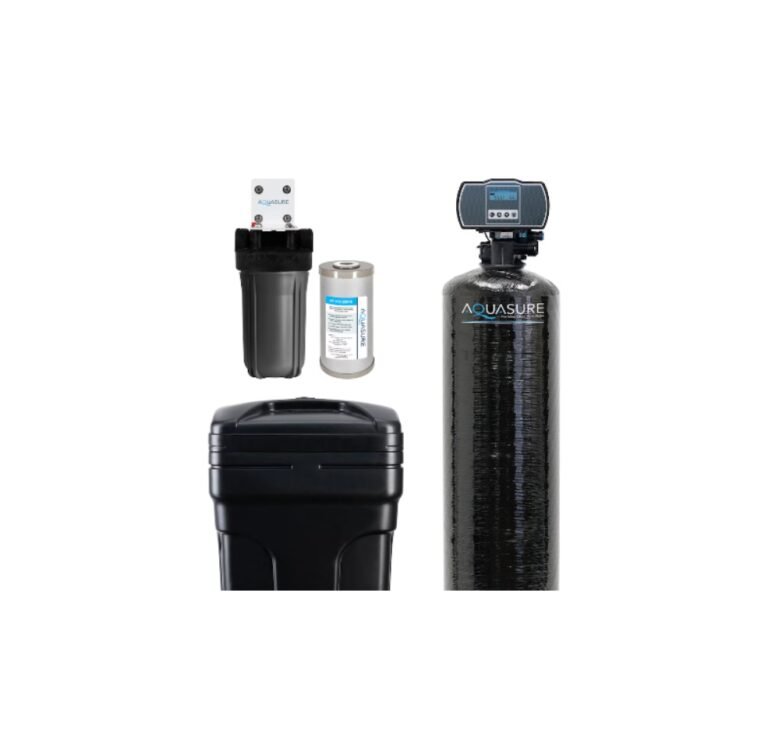
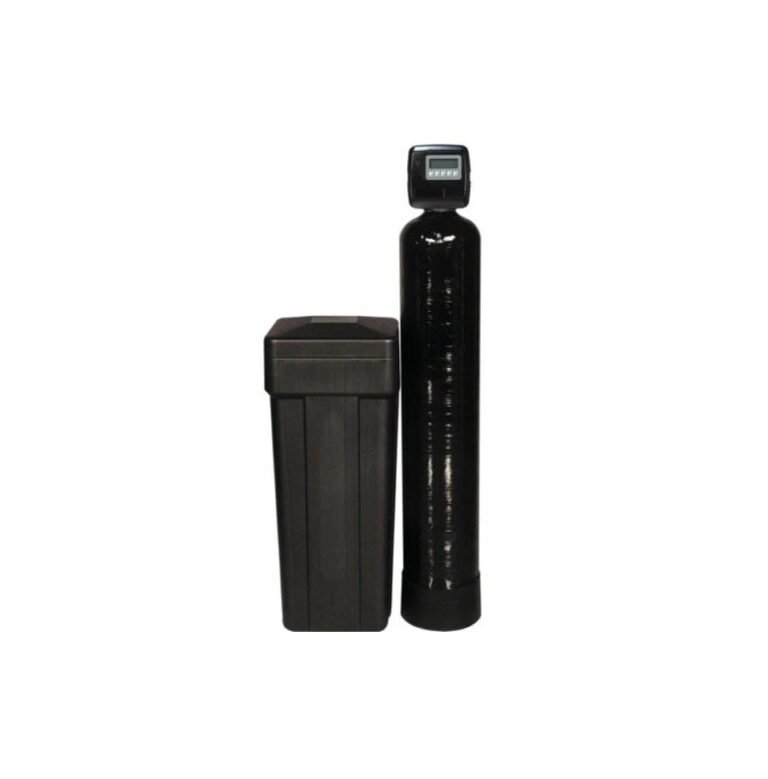
The operation of a water softener primarily revolves around its salt tank, which contains the mineral salts necessary for the ion exchange process. When hard water enters the softener, it passes through resin beads that attract the calcium and magnesium ions and release sodium ions in return. Over time, the resin beads become saturated with hardness ions and need to be regenerated. This is where the salt in the tank plays a critical role. During the regeneration phase, a concentrated salt brine solution is flushed through the resin tank, allowing the resin to release the accumulated hardness ions and recharge with sodium ions.
Maintaining the water softener, particularly the salt tank, is crucial for ensuring its efficiency and longevity. Running low on salt can significantly hinder the unit’s performance, leading to an increase in water hardness and a resurgence of issues associated with hard water. Moreover, insufficient salt can also impede the regeneration process, which can ultimately require additional maintenance and increase operational costs. Regularly checking the salt levels in the tank and replenishing as necessary ensures that the water softener functions effectively, providing soft water throughout your household.
When Should You Refill Your Salt Tank?
Refilling your water softener’s salt tank is an essential part of maintaining its efficiency and ensuring optimal performance. There are several key indicators that signal it’s time to refill the tank. Firstly, one of the most obvious signs is the low salt level itself. It is advisable to regularly check the salt level visually; if it drops below one-quarter full, it’s time to consider a refill. Salt that is too low can result in reduced water softening capacity, potentially leading to hard water issues, which can be detrimental to household appliances and plumbing.
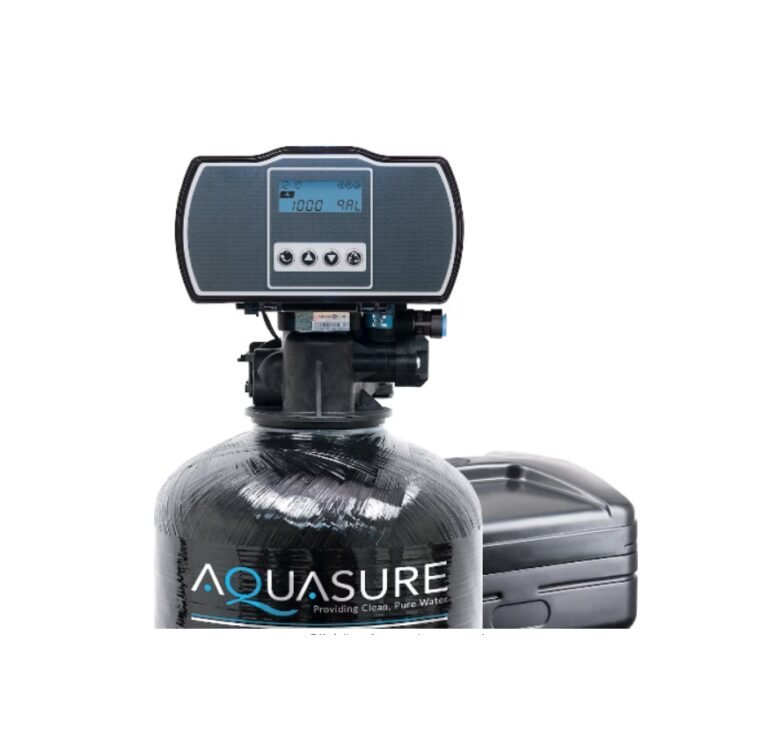
Another clear indicator is the presence of any warning lights on the water softener unit. Many modern water softeners are equipped with electronic monitoring systems that alert users when the salt levels are critically low. Familiarizing yourself with your specific model’s signals and notifications will aid in timely refilling.
The frequency with which you need to refill your water softener salt tank can vary significantly based on several factors including household size, water usage, and water hardness in your area. For instance, larger households typically consume more water, thus necessitating more frequent refilling. Generally, a family of four might find themselves needing to refill their salt tank every four to six weeks, depending on their usage patterns. Conversely, smaller households may only need to refill every couple of months.
In addition to regular checks based on usage, factors such as the type of water softener system you have and its settings can also influence how often you should refill the salt. Keeping a routine check on both the salt level and the performance of your softener will help maintain its efficiency and prolong its lifespan. Regular maintenance not only promotes optimal performance but also minimizes unexpected hard water problems in your home.

Step-by-Step Guide to Refilling Your Salt Tank
Refilling your water softener salt tank is a crucial maintenance task that ensures your water softening system continues to function optimally. Below is a comprehensive step-by-step guide to help you refill your salt tank safely and effectively.
Materials Needed:
- Water softener salt (rock salt, solar salt, or evaporated salt)
- Shovel or scoop for transferring salt
- Broom for cleaning
- Protective gloves and mask, if desired
Instructions:
- Turn Off the System: Before starting, switch off your water softener system to avoid any malfunctions during the refilling process.
- Check Salt Levels: Open the salt tank lid and check the existing salt level. Remove any clumps or debris that might have accumulated in the tank.
- Cleaning the Tank: Use a broom or a wet/dry vacuum to clean the inside of the tank if necessary. This helps prevent any buildup that can interfere with the functioning of your softener.
- Select Your Salt Type: Choose the appropriate water softener salt. Rock salt is generally more affordable, while evaporated salt is more efficient for optimal softening.
- Filling the Tank: Using a shovel or scoop, carefully fill the salt tank until it reaches the recommended level (usually about 1/3 to 1/2 full). Avoid overfilling, as it can cause issues with the brine draw.
- Recheck the System: Once filled, close the lid and turn the system back on. Monitor the salt levels periodically to ensure consistent performance.
Safety Precautions: It is advisable to wear gloves and possibly a mask during the refilling process to avoid contact with salt dust.
Optimization Tips: To ensure the efficiency of your water softener, consider using high-purity salt and avoid adding any other substances to the tank. Regularly check the salt levels and refill as needed to prevent any disruptions in softening capability.
Best Practices and Maintenance Tips for Water Softener Salt Tanks
Maintaining a water softener salt tank is essential for extending the lifespan and efficiency of the system. By following these best practices, users can ensure that their water softeners operate effectively, minimizing operational issues and improving water quality.
The first step in maintaining a water softener is to choose the right type of salt. Generally, solar salt and evaporated salt are the most recommended options. Solar salt comes from the evaporation of seawater and is approximately 99% pure. Alternatively, evaporated salt, which is derived from underground salt deposits, offers even higher purity levels, making it suitable for many systems. Avoid using rock salt, as it typically contains impurities that can cause buildup in the tank.
Regularly checking the salt level is crucial. Ideally, maintaining a salt level of about one-third full ensures optimal operation. If the salt drops below this level, it’s time to replenish it to prevent the water softener from running out of salt prematurely.
Cleaning the tank periodically is another vital maintenance task. It is advisable to perform this cleaning every 6 to 12 months, depending on the usage and the hardness of the water. To clean the tank, one can empty it completely, scrub the interior with a soft brush, and remove any sludge or salt bridging. After cleaning, rinse the tank thoroughly before refilling it with salt.
Finally, conducting routine maintenance checks is paramount. Inspecting the brine line, ensuring there are no leaks, and checking the overflow drain can prevent various issues. Consider scheduling an annual professional inspection to address any underlying problems. By adopting these practices, homeowners can significantly enhance the functionality and durability of their water softener salt tanks.