Safety First: Why You Should Avoid Extension Cords Near Water Heaters
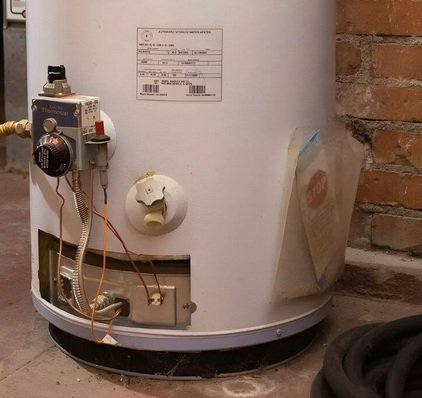
Extension cords are convenient tools that allow for flexibility in electrical device placement; however, their use is not without risk. When positioned in areas near water heaters, the dangers increase significantly. The primary hazard associated with extension cords is overheating, which can lead to electrical fires. This risk is exacerbated in environments where moisture is present, as the combination of water and electricity creates a perilous situation.
Electrical shock remains a critical concern when using extension cords in damp conditions. Water can conduct electricity, increasing the likelihood of a user experiencing a severe shock if they come into contact with a faulty cord or device. This is particularly true if the extension cord shows signs of wear, such as frayed wires or exposed conductors, which are more likely to malfunction when moisture is introduced.
Moreover, extension cords placed near water heaters often have to traverse areas prone to spills or humidity, heightening the risks again. These cords may also inadvertently obstruct traffic pathways, creating potential tripping hazards in an already hazardous zone. It is essential to consider the potential consequences—overheating leading to fires or electrocution—when choosing to extend power in such environments.
In summary, while extension cords offer beneficial flexibility for electrical devices, their use near water heaters can introduce significant safety risks, including electrical shock, overheating, and increased fire hazards. Thus, it is crucial to evaluate alternative options to ensure safety and protect both people and property from electrical malfunctions related to moisture exposure.
Understanding Water Heater Functionality
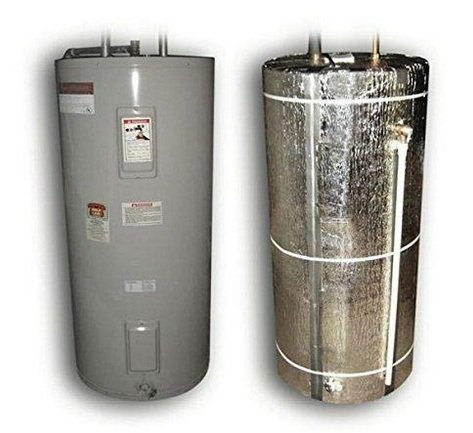
Water heaters play a crucial role in residential and commercial settings as they provide hot water for various applications, including bathing, cooking, and cleaning. These appliances typically operate using either electricity or gas to heat water, and understanding their functionality is essential for maintaining safety around such equipment, especially when considering electrical safety in areas where water is present.
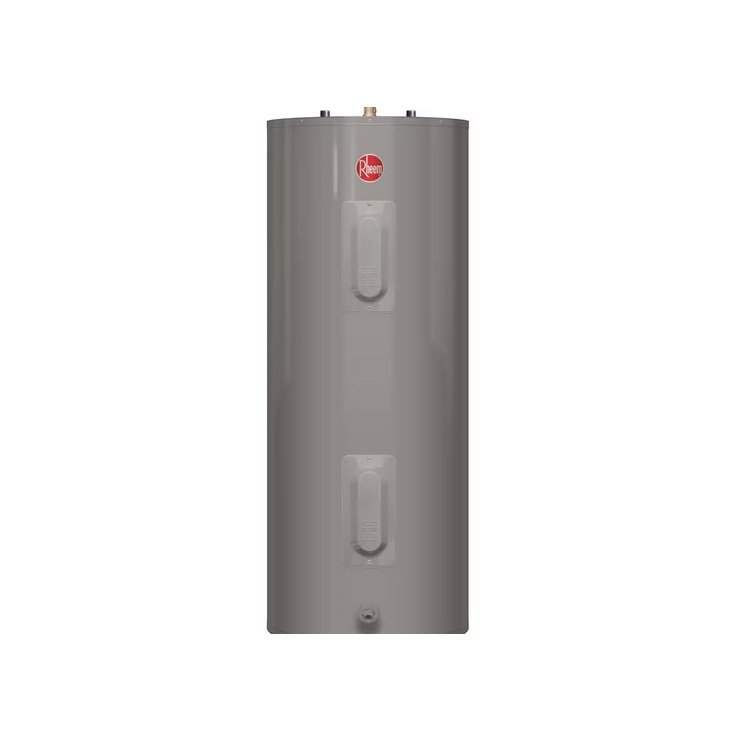
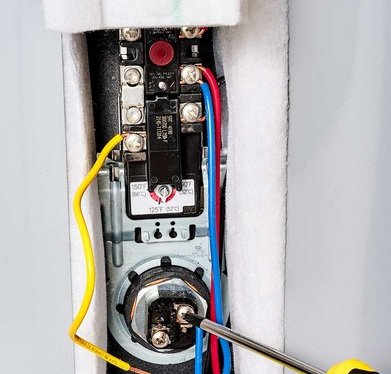
Electric water heaters use electrical resistance heating to warm the water inside a tank or through a tankless system. The main components of an electric water heater include heating elements, a thermostat, and a power source. The thermostat regulates the temperature of the water to ensure it remains within a safe and comfortable range, while the heating elements, often located at the top and bottom of the tank, energize to heat the water when necessary. Proper functioning of these components is critical; any malfunction can create not only inefficiency but also hazardous situations.
The electrical requirements for water heaters can vary significantly based on the model and the installation specifications. Typically, electric water heaters require a dedicated circuit and must be connected to a ground fault circuit interrupter (GFCI) to ensure user safety. This is especially important in areas where water heaters are installed in potentially damp locations, as there is an increased risk of electrical shock if safety protocols are not adhered to. Thus, maintaining proper clearance around these appliances and avoiding the use of extension cords near their power source is paramount in preventing accidents.
Awareness of how water heaters operate alongside appropriate electrical safety measures is vital for homeowners. By understanding these appliances’ functionality and requirements, residents can help mitigate risks, ensuring a safe and efficient water heating experience.
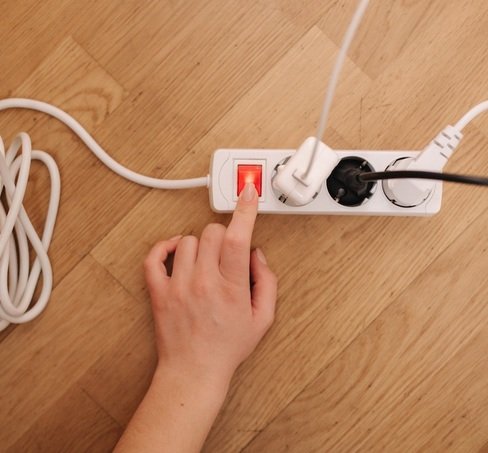
Alternatives to Extension Cords for Water Heaters
When it comes to ensuring the safety of electrical appliances, particularly water heaters, utilizing extension cords is not advisable due to the inherent risks they pose in wet environments. Fortunately, there are several safer alternatives that one can consider to effectively power these essential devices.
One of the most effective alternatives is **permanent wiring solutions**. This involves having a professional install a dedicated circuit for the water heater, ensuring that it meets local electrical codes and safety standards. Permanent wiring not only minimizes tripping hazards but also eliminates the risk of overheating and electrical malfunctions that can occur with long extension cords. Additionally, dedicated circuits reduce the likelihood of overloaded circuits, which can lead to potential hazards.
Another critical aspect is the **proper placement of electrical outlets**. Ensuring that outlets are located in close proximity to the appliance can significantly reduce the need for extension cords. Homeowners should consider the layout of their utility areas and, if necessary, consult with a licensed electrician to ensure that outlets are placed in convenient and safe locations. This foresight not only promotes safety but also enhances the functionality of the space.
Lastly, it is essential to **consult with a licensed electrician** when making any significant modifications to your home’s electrical configuration. Electricians possess the expertise necessary to evaluate your specific needs, recommend appropriate solutions, and ensure compliance with safety regulations. By investing in professional guidance, homeowners can achieve a robust electrical setup that promotes the safe operation of their water heaters and other appliances.
Best Practices for Electric Appliance Safety
Maintaining safety around electric appliances is crucial, especially in locations where water is present, such as near water heaters. Adhering to best practices can help prevent accidents and ensure a safe living environment. One of the first steps is to ensure that all electrical installations comply with local codes and guidelines. Hiring a licensed electrician for installation or repairs not only guarantees compliance but also enhances safety since professionals are trained to deal with hazards related to electricity.
Moreover, regular maintenance of your water heater is essential. This includes checking for leaks, inspecting the pressure relief valve, and flushing the tank periodically to prevent sediment buildup. Such maintenance not only prolongs the life of the appliance but also minimizes potential electrical hazards that could arise from water damage. In addition, it is advisable to keep the area around your water heater free from clutter and movable objects that may obstruct airflow.
Another essential practice involves the regular inspection of electrical cords and connections. Look for signs of wear or damage, such as frays, exposed wires, or unusual heating when in use. If any issues are detected, it is imperative to replace the cord immediately to mitigate risk. Furthermore, do not overload electrical outlets with multiple devices, which can lead to overheating and increase the likelihood of a fire.
Finally, consider using ground-fault circuit interrupters (GFCIs), particularly in areas where water is present. GFCIs are designed to shut off electrical circuits when they detect an imbalance, which may indicate a leakage current, providing an additional layer of protection against electrical shock and hazards. In conclusion, following these best practices will significantly enhance safety when using electric appliances near water heaters.