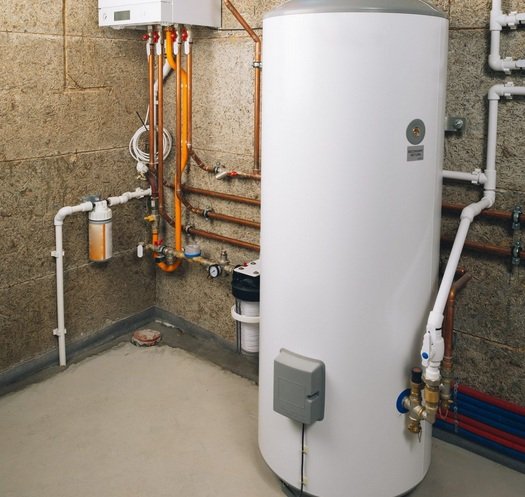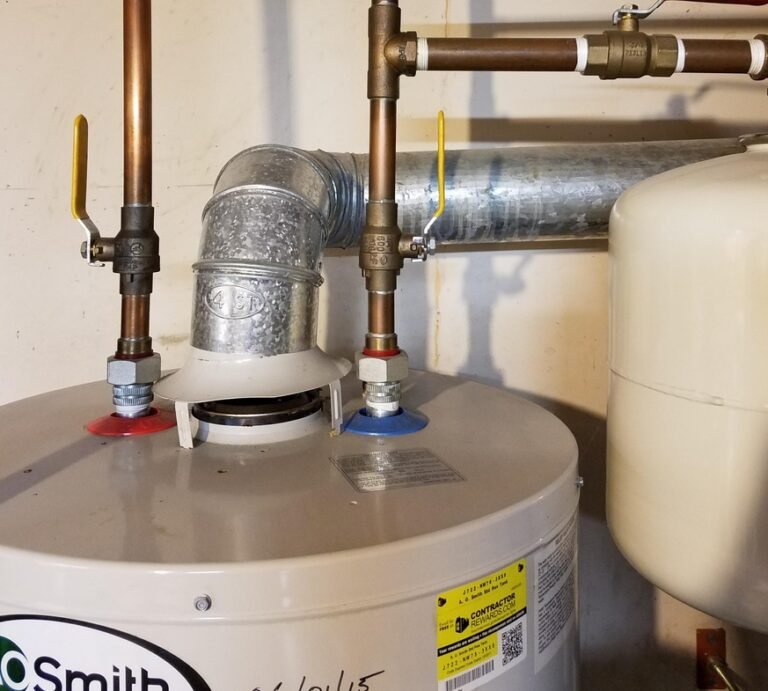
Replacing Water Heater Heating Elements Affected by Scale Build-Up
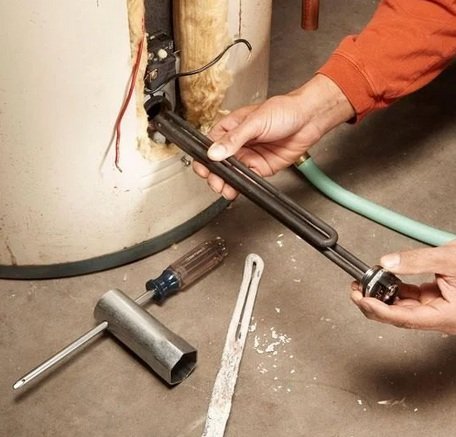
Scale build-up in water heaters is a significant concern that can adversely impact the efficiency and longevity of the heating elements. This phenomenon primarily arises from the precipitation of minerals contained in the water supply, particularly in areas with hard water, characterized by high levels of calcium and magnesium. When water is heated, these minerals tend to form crystalline deposits that adhere to surfaces, leading to scale accumulation over time.
As water heaters operate, especially during prolonged heating cycles, the high temperatures facilitate the deposition of these mineral compounds. The scale typically begins to form at the heating elements and can exacerbate inefficiencies by insulating the heating surface. This insulating layer requires the heating element to work harder to maintain the desired water temperature, leading to increased energy consumption and, ultimately, higher utility bills.
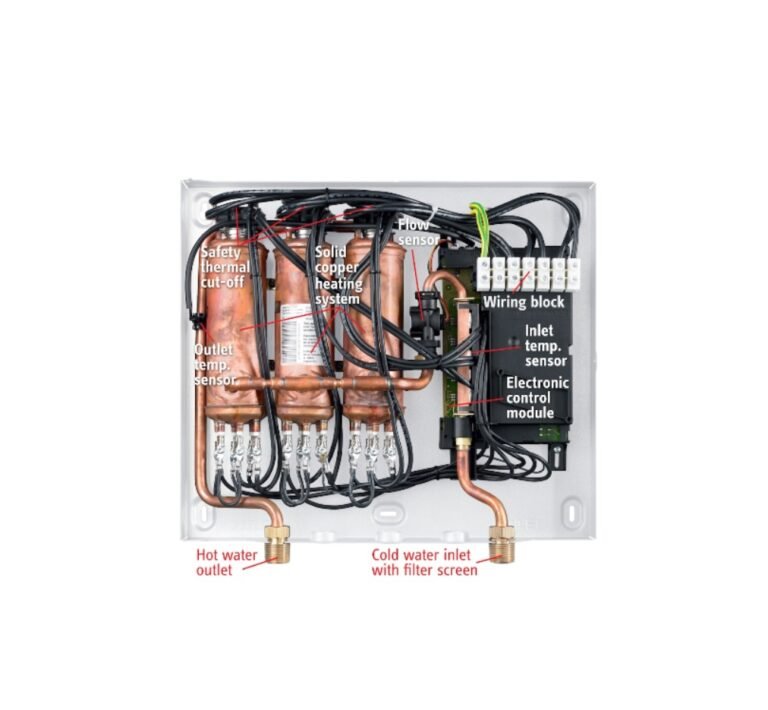
The formation of scale is influenced by several factors, including water temperature, pressure, and the presence of certain chemicals in the water. While some amount of scale is unavoidable, conditions such as excessive temperature settings or prolonged heating cycles can accelerate its build-up. Additionally, the type of water heater plays a role; tank-type water heaters are more prone to scale accumulation compared to tankless systems that heat water on demand.
The implications of scale build-up are far-reaching, affecting not only the efficiency of water heating but also the potential for mechanical failure. Without routine maintenance and monitoring, scale can lead to early degradation of heating elements, necessitating more frequent replacements. Therefore, understanding scale build-up in water heaters is essential for homeowners looking to optimize performance and reduce repair costs associated with inefficient heating systems.
Signs Your Water Heater Elements Need Replacement
Water heaters are critical appliances in any household, and paying attention to the performance of their heating elements can prolong their lifespan. One of the main indicators that heating elements may need replacement is inconsistent water heating. If you notice fluctuations in water temperature, such as lukewarm water during typically hot cycles, this may signal that the elements are covered in scale. Over time, mineral deposits from hard water can accumulate on the heating elements, leading to inefficiencies in heating and potential failure.
Another common sign of scale build-up is discoloration of the water. If the hot water coming from your taps appears cloudy or has a metallic tint, it may be due to the deterioration of the heating elements, exacerbated by mineral deposits. This discoloration not only affects the aesthetic quality of the water but can also impact its safety and usability.
In addition, unusual noises emanating from the heater can serve as a warning that the heating elements require attention. Sounds such as popping, rumbling, or hissing can indicate the presence of scale build-up around the elements. As these minerals accumulate, they can create pockets of steam and cause pressure changes, resulting in these unexpected noises. It is advisable to investigate these sounds promptly to avoid potential exacerbation of the issue.
Routine maintenance is pivotal in preventing heating element failure. Regular inspections and flushing of the water heater can significantly reduce the risk of scale build-up. When water heaters are properly maintained, the efficiency of their heating elements is preserved, effectively extending their operational lifespan and saving on energy costs. By being mindful of these signs and employing preventive measures, homeowners can mitigate the risks associated with neglected heating elements.
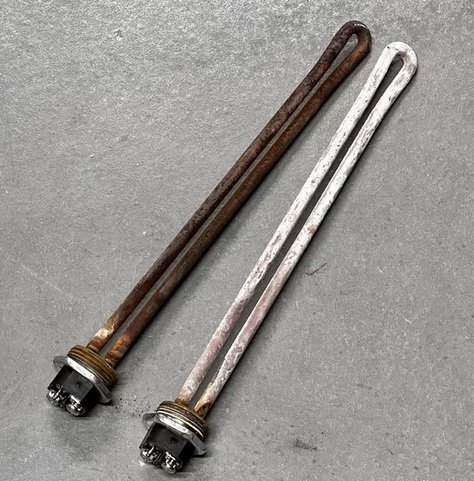
Steps to Replace Water Heater Heating Elements
Replacing water heater heating elements can be a rewarding DIY project that improves your appliance’s efficiency. To ensure a smooth process, it is essential to follow these steps carefully.
Gather Required Tools: Before beginning, collect the necessary tools for the job. You will need a multimeter, a socket wrench, a screwdriver, a garden hose, and safety goggles. Having a replacement heating element ready is essential; make sure it matches your water heater’s specifications.
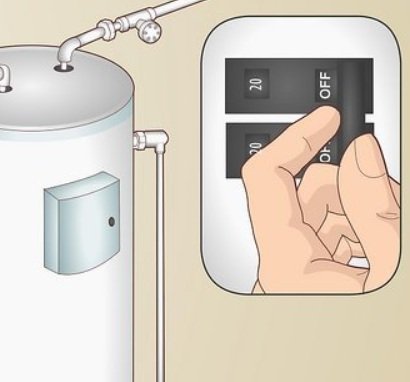
Safety Precautions: Always prioritize safety when working with electrical appliances. Start by turning off the power at the circuit breaker. Test the connections with a multimeter to confirm that the power is indeed off. Additionally, it is advisable to wear safety goggles to protect your eyes from any debris that may arise during the process.
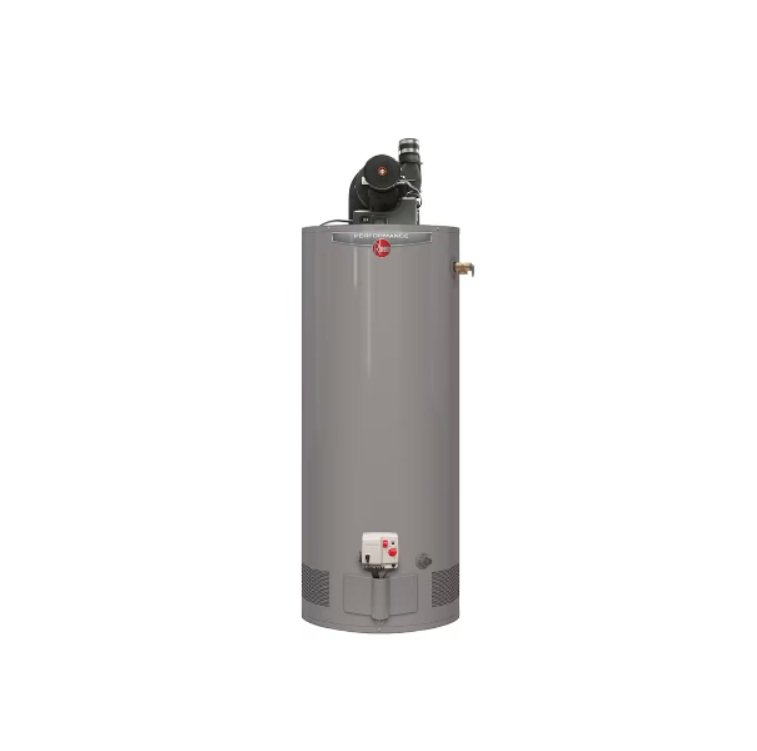
Drain the Tank: If your water heater is a tank-type, you’ll need to drain it before removal. Attach a garden hose to the drain valve located at the bottom of the tank. Ensure the other end leads to a floor drain or outside. Open the valve slowly to allow the water to exit. It may take some time for the tank to fully drain.
Removing the Old Elements: Once the tank is empty, locate the heating elements. Usually, there are two: an upper and a lower element. Using a socket wrench, carefully unscrew and remove the old elements. Dispose of them properly.
Installing New Elements: Replace the old elements with the new ones by screwing them into place. Ensure they are tightened securely but avoid overtightening, as this could cause damage. Reconnect any electrical wires, ensuring connections are secure and insulated.
Test Run: Finally, refill the tank with cold water before turning the power back on. Allow the water to heat up, and monitor the system for any leaks or unusual sounds. Once everything operates correctly, you may use your newly serviced water heater efficiently.
Preventing Future Scale Build-Up in Water Heaters
Effective prevention of scale build-up in water heaters is essential for maintaining their efficiency and prolonging their lifespan. One of the most effective methods is to flush the tank regularly. Flushing should be performed at least once a year to remove sediment and mineral deposits that accumulate over time. This process involves draining a portion of the water from the tank, allowing fresh water to refill and dislodge deposits. By incorporating this practice into regular maintenance routines, homeowners can significantly reduce the risk of scale formation.
Another highly recommended strategy is the installation of a water softener. Water softeners work by removing excess calcium and magnesium ions from the water supply, which are primary contributors to scaling. By treating hard water before it enters the water heater, softeners not only safeguard the heating elements but also enhance the overall efficiency of appliances throughout the home.
In addition to these methods, the use of de-scaling products can contribute to maintaining a clean and efficient water heater. These commercially available solutions typically contain acids or other compounds designed to dissolve mineral deposits. When used periodically as per the manufacturer’s instructions, de-scaling products can effectively mitigate scale build-up, especially in regions with particularly hard water.
Furthermore, adopting regular maintenance habits can make a substantial difference. Homeowners should check the anode rod every few years, as a depleted rod can lead to corrosion and a higher likelihood of scale formation. Keeping the temperature setting below 140 degrees Fahrenheit can also help, as higher temperatures can accelerate mineral deposit accumulation. Regularly inspecting the water heater for any signs of leakage or irregular performance will facilitate early detection of potential issues.
By implementing these strategies, homeowners can greatly reduce scale build-up, ensuring that their water heaters operate efficiently and endure over time.