The Importance of Promptly Replacing Faulty Water Heater Thermostats
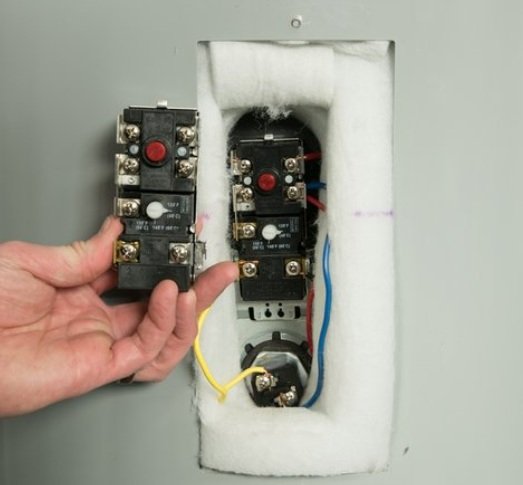
Water heater thermostats play a crucial role in regulating the temperature of the water within the system. These devices work by sensing the water temperature and sending signals to the heating elements, ensuring that the water reaches and maintains an optimal temperature set by the user. Typically, a water heater is equipped with either a single or dual thermostat configuration, depending on its design. In dual systems, one thermostat is located at the top and another at the bottom of the tank, allowing for more efficient heating and temperature regulation.
The primary function of a thermostat is to prevent the water from becoming excessively hot, thus ensuring comfort during use and minimizing energy consumption. When the water temperature falls below the designated setting, the thermostat activates the heating elements to restore warmth. This precise control not only enhances user satisfaction but also contributes to energy efficiency, reducing electricity costs.
However, like any mechanical component, thermostats are prone to malfunction. Typical signs of a faulty thermostat include inconsistent water temperatures, excessive heating leading to scalding, or insufficient heating where the water remains cold despite prolonged heating efforts. Additionally, unusual noises from the water heater may indicate a problem with the thermostat or other related components. Detecting these symptoms early is imperative as ignoring them can lead to more significant issues, such as water heater failure or increased energy bills.
In conclusion, understanding the function and importance of water heater thermostats is vital for maintaining both comfort and energy efficiency in any home. Regular checks and timely replacements of faulty thermostats can ensure an efficient operation of the water heating system, promoting safety and reducing unnecessary costs.
Signs of a Faulty Water Heater Thermostat
Identifying a faulty water heater thermostat is crucial for maintaining an efficient and functional heating system. One of the primary signs that may indicate an issue with the thermostat is inconsistent water temperatures. When the thermostat is functioning correctly, the hot water supply should remain stable. However, if the water temperature fluctuates unexpectedly, it may be a sign that the thermostat is not accurately regulating the heat.
Another indication of a malfunctioning thermostat is unusual noises emanating from the water heater. While some noise is typical during operation, particularly when heated water expands, loud clanking or hissing sounds could point to a faulty thermostat. These noises may arise when the thermostat is failing to signal the heating element properly, leading to overheating and subsequent water then boiling or expansion issues.
Unexpected spikes in utility bills can also signal a problematic thermostat. If your heating expenses increase disproportionately to your normal usage without any change in household activities, this may indicate that the water heater is working harder than necessary. A malfunctioning thermostat may cause the unit to heat water continuously, leading to greater energy consumption.
To determine if the thermostat is the root of the problem, you can conduct a simple test. Start by checking the temperature settings on the thermostat; it should reflect your desired temperature range. If the water is not heating to the designated temperature after a reasonable waiting period, or if you notice any inconsistencies, it is advisable to consult a professional technician. Early detection and replacement of a faulty water heater thermostat can save both time and money, preventing further damage to the heating system.
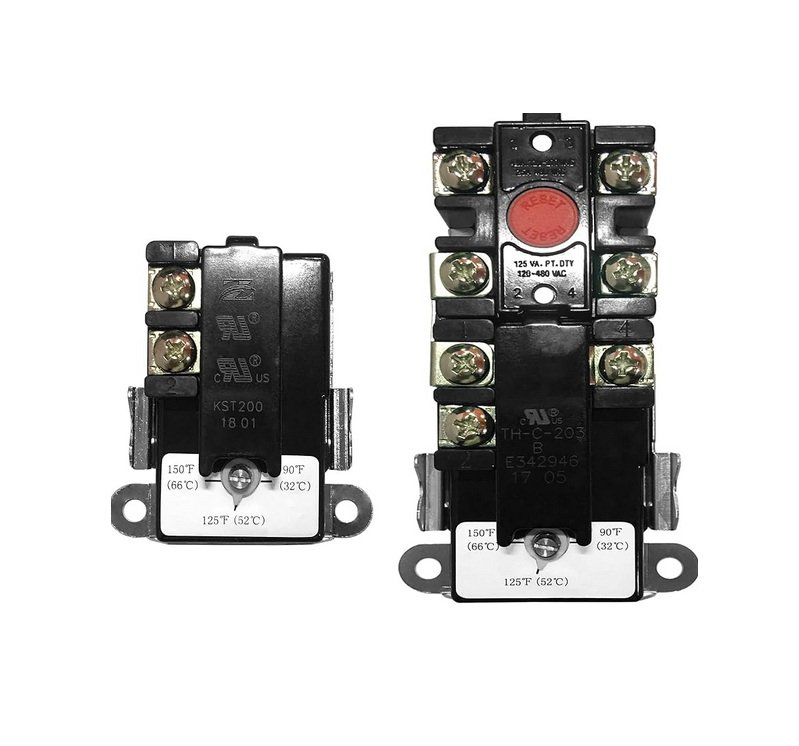
Consequences of Ignoring Thermostat Issues
Neglecting a faulty thermostat in a water heater can lead to a range of serious consequences that may affect both the home and the occupants. The thermostat serves a critical function in regulating the temperature of the water, ensuring that it doesn’t overheat or become insufficiently heated. One of the primary risks of ignoring thermostat issues is water damage. If a defective thermostat allows the water temperature to exceed safe limits, it can result in leaks or even bursts in the water heater, leading to extensive water damage within the home. Walls, floors, and personal belongings can be affected, resulting in costly repairs and potential loss of property.
In addition to physical damage, a malfunctioning thermostat directly impacts energy efficiency. A faulty thermostat can cause the heater to operate continuously or at incorrect settings, leading to increased energy costs. Homeowners may notice a significant spike in their utility bills as the water heater works harder than necessary to maintain the desired temperature. Over time, these increased operational demands can wear down the system, culminating in more frequent breakdowns and repairs, further compounding energy expenses.
Moreover, safety hazards also pose a significant risk when thermostat issues are ignored. Overheating can not only damage the water heater but can also create conditions where dangerous situations arise, such as scalding injuries from overheated water. In extreme cases, overheating water heaters can even lead to explosions due to excessive pressure build-up. Therefore, the importance of addressing thermostat problems promptly cannot be overstated. Failing to repair or replace a defective thermostat may lead to more extensive damage, increased risks, and ultimately higher repair costs. Making timely repairs ensures both safety and efficiency, protecting homeowners from the potential impacts of a neglected water heater system.
Steps for Prompt Replacement of Water Heater Thermostats
Replacing a faulty water heater thermostat is a crucial maintenance task that can prevent further damage to your water heater and ensure efficient operation. Below are the steps to effectively replace a thermostat, alongside necessary safety precautions and tools needed for the job.
1. Gather Required Tools: Before starting the replacement, make sure you have the necessary tools on hand. Typically, you will need a screwdriver, a multimeter, a socket wrench, and, if needed, a replacement thermostat compatible with your water heater model.
2. Turn Off Power Supply: Safety is paramount during this process. Begin by turning off the power supply to the water heater. For electric water heaters, switch off at the circuit breaker; for gas water heaters, turn off the gas supply. This minimizes the risk of electric shock or gas leaks while working.
3. Drain the Water Heater: To avoid spillage, you may need to drain some water from the tank. Attach a garden hose to the drain valve and let out enough water to lower the level below the thermostat. Ensure the water is cool before proceeding.
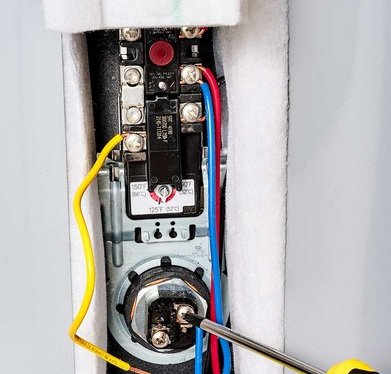
4. Access the Thermostat: Depending on the model, the thermostat may be located under a protective panel. Remove the screws securing this panel and gently lift it off to access the thermostat.
5. Test the Thermostat: Using a multimeter, check the thermostat for continuity. If there is no continuity, it confirms that the thermostat is faulty and needs replacement.
6. Remove and Replace the Thermostat: Carefully disconnect the old thermostat’s wiring and remove it from its mountings. Position the new thermostat and reattach the wires according to the previous setup. Ensure all connections are tight and secure.
7. Reattach the Protective Panel: Once the new thermostat is in place, reattach the protective panel securely, ensuring no wires are pinched or interfere with the cover.
8. Refill and Restore Power: Open the drain valve to allow water to fill the tank, turning on the water supply once there is sufficient water in the tank. Finally, restore the power supply to the water heater.
While these steps provide a comprehensive guide to replacing a faulty thermostat, consider contacting a professional if you are uncertain about any part of the process or if your water heater displays complex issues that go beyond a thermostat replacement. Proper precautions and professional guidance can avert potential hazards and ensure your water heater operates efficiently.