How to Reset the High-Limit Switch When Hot Water Cuts Out on Your Water Heater
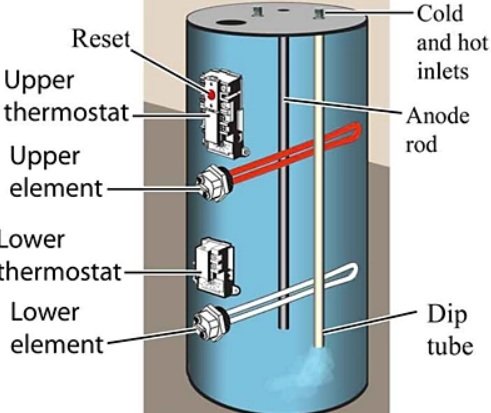
The high-limit switch plays a crucial role in the functionality and safety of water heaters. It is designed to monitor the temperature of the water within the heater, acting as a safety mechanism that prevents overheating. By shutting off the power to the heating elements when the water temperature exceeds a predetermined limit, the high-limit switch helps to mitigate the risk of scalding accidents and potential malfunctions. This device is an essential component that ensures safe operation, as it effectively protects both the appliance and the user.
When the water heater operates normally, the high-limit switch allows the heating elements to engage, heating the water to the desired temperature set by the thermostat. If the water temperature rises above the safe threshold, the high-limit switch responds by cutting off the electricity supply, thereby halting the heating process. This is vital for preventing damage to the heater itself and averting dangerous situations such as leaks, ruptures, or, in extreme cases, explosions that can occur due to excessive pressure build-up.
A malfunctioning high-limit switch can lead to inadequate water heating or, conversely, overheating, which poses significant safety threats. For instance, if the switch fails, the heating elements may continue to operate unchecked, allowing the water temperature to escalate beyond safe levels. Users may then experience hot water scalding or find their water heater damaging itself or other connected installations. Educating oneself about the function and importance of the high-limit switch can assist homeowners in maintaining their water heaters efficiently while ensuring that safety standards are upheld.
Identifying Signs of a Tripped High-Limit Switch
Recognizing the symptoms of a tripped high-limit switch is crucial for maintaining the efficiency and functionality of your water heater. One of the primary indicators is the absence of hot water. If you find that your hot water supply has suddenly ceased, it may suggest an issue with the high-limit switch. This switch is designed to prevent overheating by turning off the heater when water temperatures exceed safe limits, which can result in a lack of hot water if the switch has tripped.
Another sign to watch for is water temperature fluctuations. If you notice that the water temperature varies significantly, such as unexpectedly becoming lukewarm or too hot, this can indicate that the high-limit switch is malfunctioning. Consequently, it struggles to maintain a consistent temperature, which can lead to inefficient heating and potentially result in safety hazards.
Unusual noises from the heater may also serve as a symptom of a tripped high-limit switch. Sounds such as popping or rumbling can be alarming and often indicate that the heater’s components are under stress due to excessive temperatures. These noises may signal that the high-limit switch has tripped, prompting the unit to engage in erratic behaviors.
Before taking action, it is essential to assess the situation carefully. Begin by checking your thermostat settings and ensuring that the power supply to the heater is functioning correctly. Inspecting for leaks or corrosion around the tank can also provide insight into the overall condition of the water heater. By identifying these signs early on, you can address potential issues promptly and restore your hot water supply effectively, ensuring the longevity of your appliance.
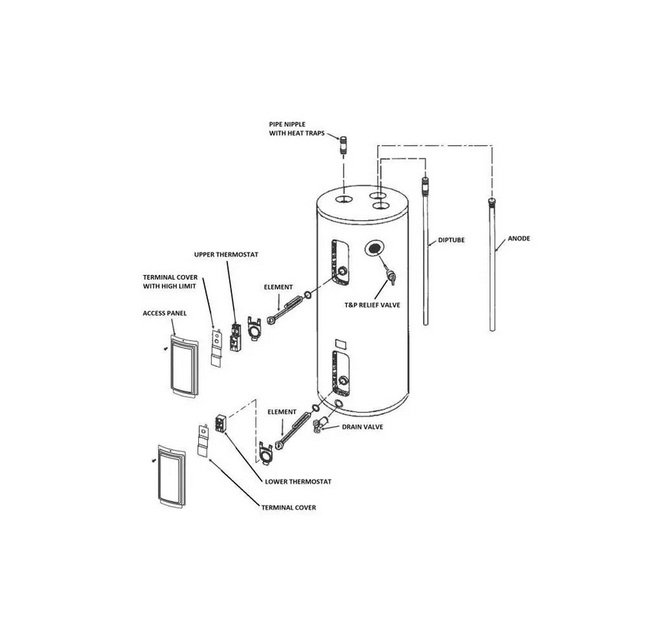
Step-by-Step Guide to Resetting the High-Limit Switch
Resetting the high-limit switch on your water heater can be an essential task when experiencing a hot water outage. The following procedure outlines the specific steps to safely reset the high-limit switch, ensuring you take the necessary precautions throughout the process.
To begin, gather the necessary tools and materials. You will require a screwdriver (typically a flathead or Phillips, depending on your heater model), safety goggles for eye protection, and, if available, a multimeter to check the functionality of the switch.
1. **Turn Off Power Supply**: The first step is to ensure that the power to the water heater is turned off at the circuit breaker. This is a crucial safety measure to prevent accidental electrocution while working on the heater.
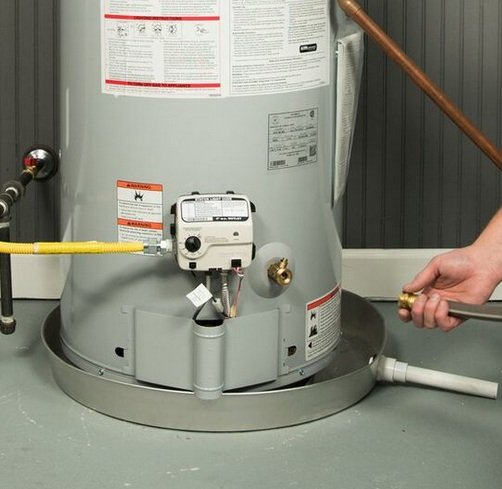
2. **Remove the Access Panel**: Next, locate the access panel on your water heater. The high-limit switch is usually situated behind this panel. Use your screwdriver to carefully remove the screws securing the panel and set it aside.
3. **Locate the High-Limit Switch**: Once the access panel is removed, identify the high-limit switch, which often resembles a small button or lever. It is usually positioned near the thermostat.
4. **Reset the Switch**: Press the reset button on the high-limit switch. You may hear a click, indicating it has reset successfully. If the button does not pop back up, this may indicate that there are underlying issues that need addressing.
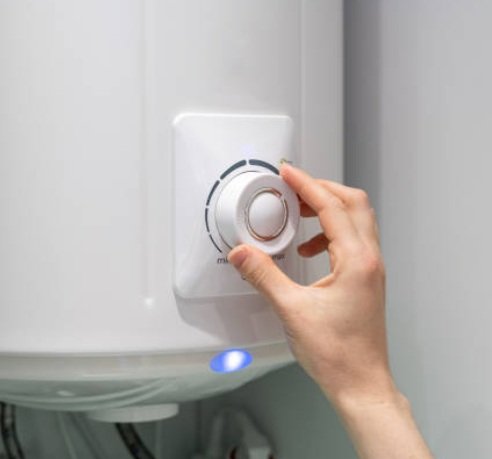
5. **Check the Thermostat**: Before replacing the access panel, use the multimeter to test the thermostat’s functionality, ensuring it is set to the correct temperature to prevent future interruptions in your hot water supply.
6. **Reassemble and Restore Power**: Finally, replace the access panel securely and restore power to the water heater at the circuit breaker. This completes the reset process, and your water heater should now function as intended.
By following these steps carefully, you can successfully reset the high-limit switch on your water heater, addressing the problem of diminished hot water availability.
When to Call a Professional: Signs of a Bigger Issue
While resetting the high-limit switch on a water heater may resolve temporary issues related to hot water supply, there are instances where further intervention is necessary. Homeowners should be vigilant and watch for specific signs that indicate the need for professional assistance. If you find that the hot water cuts out frequently even after resetting the high-limit switch, it may suggest underlying problems that need expert evaluation.
One prominent indicator that professional help is needed is the presence of unusual noises coming from the water heater. Sounds such as banging, popping, or hissing can signal sediment buildup or other malfunctions within the tank. Additionally, if there is a noticeable decrease in water temperature that persists after multiple resets, it could point towards a malfunctioning thermostat or heating elements.
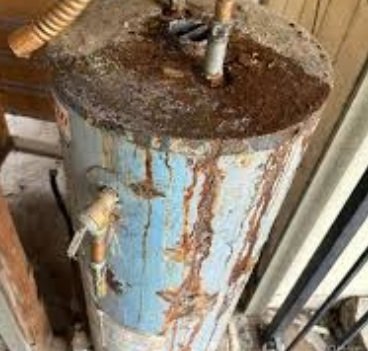
Electrical problems are another critical consideration. If there are signs of tripped circuit breakers or blown fuses in conjunction with hot water issues, this could indicate a wiring fault or a serious electrical fault that requires immediate attention. Likewise, frequent occurrences of leaks or water pooling around the heater are red flags that should not be ignored. Such leaks may point to tank corrosion or compromises in the connections.
Moreover, rigorous maintenance is vital for the longevity and safe operation of any water heater. Regular inspections by a professional can identify potential problems before they escalate into costly repairs. Factors such as age of the unit, water quality, and usage patterns also impact the performance of water heaters. If your heater is old or showing signs of wear, it may be time to consult a professional about replacement or necessary repairs. Seeking timely assistance will ensure that your hot water supply remains dependable and safe, helping to prevent further issues down the line.