How to Protect Your Outdoor Water Heater Units from Freezing
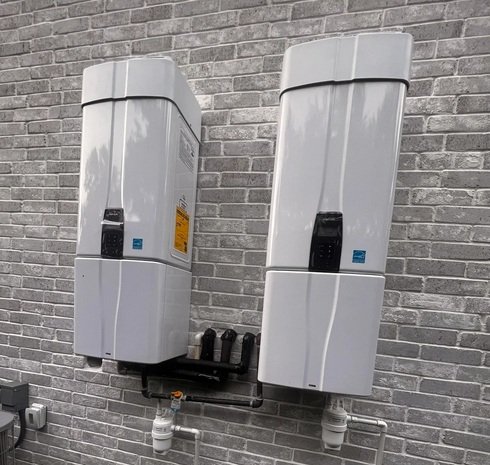
Outdoor water heaters, while essential for providing hot water in various climates, face significant risks when temperatures drop. The fundamental principle behind water freezing is simple: as temperatures fall, water molecules slow down and become more densely packed, eventually forming ice. This transformation occurs at 32 degrees Fahrenheit (0 degrees Celsius). When the temperature around an outdoor water heater dips to this level or below, the water inside the unit is at risk of freezing.
The presence of freezing temperatures can have severe consequences on water heater functionality. When water freezes within the unit’s pipes or components, it expands, creating pressure that can lead to burst pipes or ruptured fittings. Such damage not only necessitates costly repairs but can also compromise the entire system, rendering the heater inoperable during the crucial cold months. Moreover, water that freezes in the heater can lead to a significant loss in heat efficiency once it thaws, as the heater may need to work harder to restore normal temperatures, increasing energy consumption and utility bills.
The risks associated with freezing temperatures are not just limited to physical damage. A frozen water heater can disrupt daily activities, especially in households reliant on hot water for heating, cleaning, or cooking. Additionally, the initial signs of freezing may go unnoticed until significant damage occurs, making it crucial for homeowners to be proactive in preventing freezing. This underscores the importance of understanding these risks and implementing preventive measures, such as insulation, the use of heat tapes, or regular maintenance checks to help ensure reliability and functionality. By taking these precautions, homeowners can significantly reduce the chances of winter-related failures and enjoy ongoing access to hot water, even during the harshest winter conditions.
Preventative Measures to Keep Your Water Heater Safe
To prevent outdoor water heater units from freezing during the colder months, homeowners can adopt several practical measures. One effective technique is the insulation of both the pipes and the heater itself. Proper insulation acts as a barrier against the cold and can significantly reduce the risk of freezing. Homeowners should consider using foam pipe insulation sleeves for the pipes leading to and from the water heater. Additionally, applying insulation blankets around the water heater can help maintain its temperature, ensuring that the internal components remain warm even when the outside temperatures drop.
Strategic placement of the water heater is another critical factor in safeguarding it against freezing. If possible, position the unit in a sheltered area, such as near a wall or under a roof overhang. This not only helps to shield the heater from harsh winds but also provides some protection from icy precipitation. If feasible, setting the unit up in a heated area, such as a garage or basement, will offer optimal protection against extreme cold.
In particularly frigid climates, employing heat cables or heating tape is a recommended step for additional security. These products can be installed along the exterior of the pipes and are designed to generate a small amount of heat, ensuring that the water remains flowing even in freezing conditions. When utilizing heat cables, it is essential to adhere strictly to the manufacturer’s guidelines to avoid potential hazards.
By implementing these preventative measures, homeowners can effectively protect their outdoor water heater units and extend their lifespan, while also ensuring reliable hot water availability throughout the winter season.
Signs of Freezing and When to Take Action
Identifying the signs that an outdoor water heater unit is at risk of freezing is crucial for homeowners, especially during the colder months. One of the most immediate warning signs is a reduction in water flow. If the hot water tap provides a mere trickle or no water at all, it could indicate that the water heater’s pipes have frozen. This situation demands immediate attention to prevent further damage.
Another sign to watch for is unusual noises emanating from the water heater. These sounds might include banging or gurgling, which can result from ice formation within the pipes or other mechanical issues caused by freezing temperatures. Additionally, if there are visible leaks around the unit, this may suggest that the pipes are expanding and possibly cracking under pressure from ice buildup.
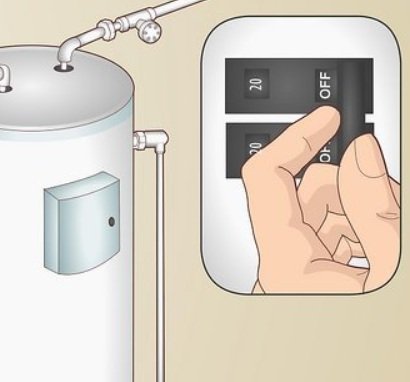
Once you suspect that your water heater is freezing, it is essential to take immediate action. The first step is to ensure that the unit is powered off for safety reasons. You can then attempt to thaw the pipes gently by using a hairdryer or a space heater, focusing on the frozen areas for effective thawing. It’s important never to use an open flame, as this can cause significant damage to the unit or even pose a fire hazard.
If these measures do not resolve the issue or if you are uncertain about the condition of the unit, it is advisable to seek professional help. Plumbing experts can assess the situation accurately and provide the necessary repairs or recommendations. Recognizing these warning signs early and taking prompt action can save homeowners time, money, and prevent a complete breakdown of their outdoor water heater systems.
To ensure the durability and functionality of outdoor water heater units during freezing temperatures, adopting long-term strategies is essential. These strategies include regular winterization processes, maintenance of insulation, and upgrading older units to newer models that are designed to resist freezing.
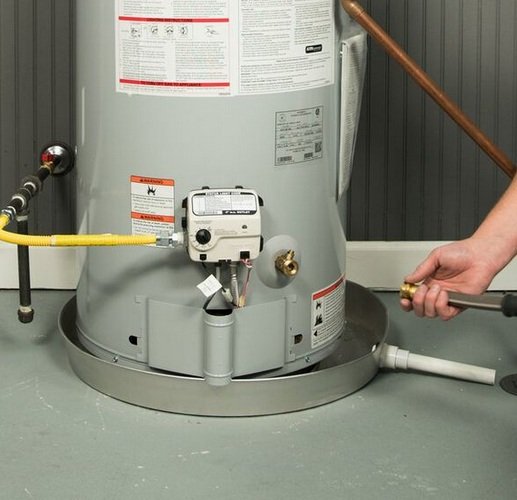
Commencing with winterization, it involves preventing trapped water within the system from freezing. One effective method is to drain the water heater at the end of each season, ensuring that all residual water is removed. Additionally, applying antifreeze specifically designed for plumbing systems in exposed pipes can help provide extra protection against freezing conditions.
Furthermore, insulation maintenance is a crucial component in prolonging the life of outdoor water heaters. Inspecting existing insulation for wear and tear, and applying new insulating materials where needed, will effectively retain heat. For those with older heaters, upgrading insulation on pipes connected to the unit can significantly enhance freeze resistance. Pipe sleeves and heat tape can be excellent supplementary methods for protecting vulnerable sections of piping.
Another long-term solution involves evaluating the efficiency of current outdoor water heaters. If a unit is aging or frequently experiences freezing issues, the best course may be to invest in a new model that boasts advanced freeze-resistant technology. Modern outdoor water heaters are often built with enhanced materials and insulation techniques that aid in minimizing freezing risks during harsh winters.
Moreover, conducting routine checks and seasonal preparations is vital. Before the onset of winter, homeowners should ensure all protective measures are in place and assess the heater’s operational status. These precautionary steps, combined with strategic upgrades and proper maintenance, will safeguard outdoor water heaters against freezing, ensuring they remain functional and efficient throughout the colder months.