Don’t Ignore Slow Water Heater: Addressing Heating Issues for a Comfortable Home
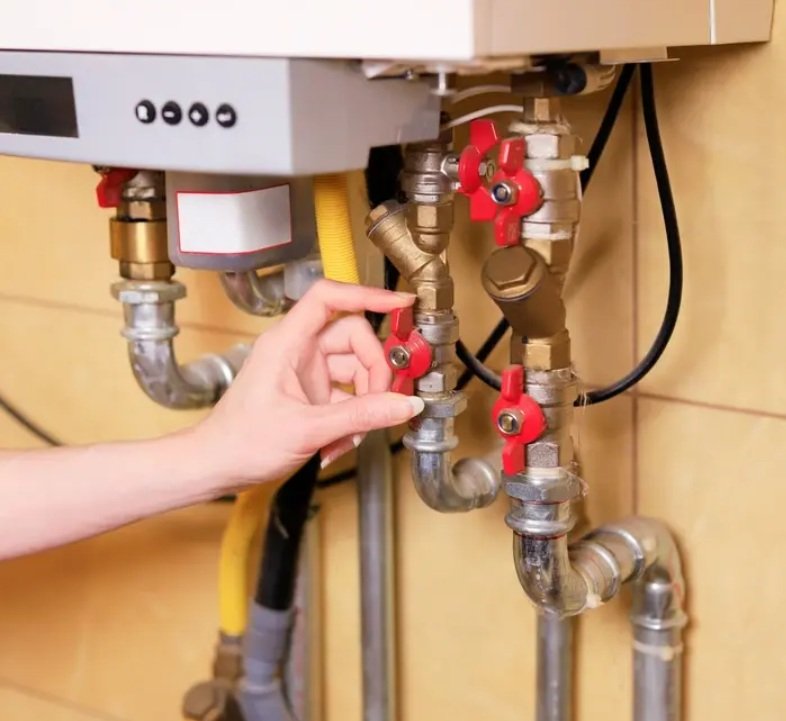
A water heater is an essential appliance in the modern home, serving a multitude of functions that contribute significantly to daily living. The availability of hot water not only enhances comfort but is also vital for various household tasks. From personal hygiene routines such as bathing and showering to culinary activities, the reliance on a functional water heater is omnipresent.
In addition to bathing, hot water plays a crucial role in cleaning and sanitization. Washing dishes, doing laundry, and maintaining general cleanliness in the home greatly benefit from the use of hot water. The effectiveness of laundry detergents and dishwashing soaps is often amplified when used with warm or hot water, ensuring that clothes and utensils are thoroughly cleaned and sanitized. A reliable water heater, therefore, directly impacts hygiene and health within the household.
Moreover, the importance of a water heater extends beyond mere convenience; it is fundamentally linked to home comfort. The ability to enjoy a hot shower at the end of a long day is not just about warmth—it transcends into psychological comfort, providing a soothing and refreshing experience. Furthermore, a properly functioning water heater contributes to the efficiency of other household systems, such as radiant floor heating and hydronic heating systems, which rely on hot water to maintain desired temperatures.
Ignoring the signs of a failing water heater can lead to not only discomfort but also costly repairs and replacements. Leakages, fluctuating water temperatures, and unusual noises are all indicators that a water heater may require attention. Such issues should not be disregarded, as they may escalate into more severe problems. Therefore, keeping one’s water heater in optimal condition is a responsibility that every homeowner should prioritize for the sake of comfort and usability.
Common Signs of a Slow or Failing Water Heater
Recognizing the signs of a slow or failing water heater is essential for maintaining a comfortable home. One of the most noticeable symptoms is inconsistent water temperatures. If you find that your hot water supply fluctuates unpredictably, it could indicate that your water heater is struggling to maintain the desired temperature. This inconsistency can lead to discomfort, especially during daily activities such as showering or washing dishes.
Another sign to look out for is the presence of strange noises coming from the unit. If you begin hearing rumbling, banging, or popping sounds, it may suggest that sediment has built up at the bottom of the tank, affecting its efficiency. Such noises not only indicate that the water heater is under stress but may also lead to more significant issues if left unaddressed.
Increased energy bills can also serve as an indicator of a failing water heater. A unit that is not operating efficiently requires more energy to heat water, which will reflect in your monthly utility expenses. If you notice a significant jump in your energy bills without any clear explanation, it is prudent to evaluate your water heater’s performance.
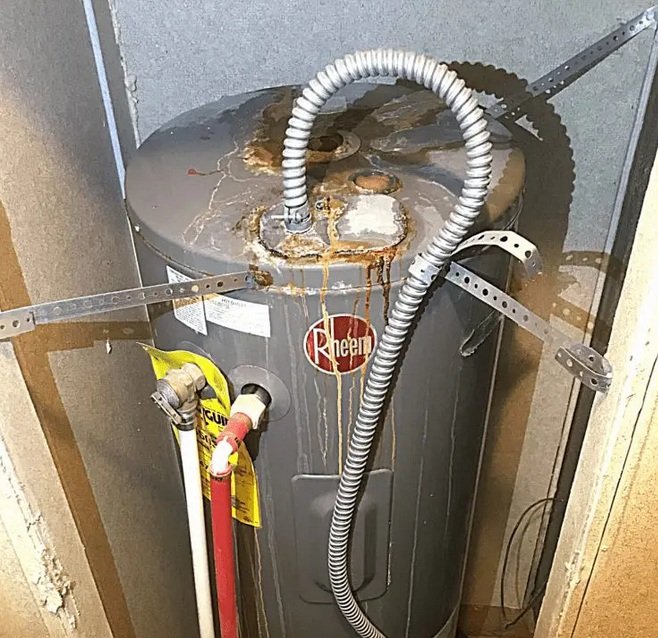
Additionally, leaks or pooling water around the base of the unit should not be ignored. While minor leaks might not seem alarming at first, they can worsen over time and lead to more severe damage, requiring costly repairs or even replacement. The presence of rust or corrosion on the tank is another warning sign, as it often signifies that the integrity of the water heater is compromised.
Being attentive to these common signs will enable homeowners to take timely action, preventing further complications and ensuring a reliable source of hot water throughout their residence.
Potential Causes Behind Slow Heating Issues
Slow heating issues in water heaters can stem from various underlying problems that may affect their overall performance. Understanding these causes is essential for homeowners looking to maintain an efficient system.
One common cause is sediment buildup within the tank. Over time, minerals and debris can accumulate at the bottom of the water heater, creating a layer that acts as an insulator. This not only decreases the efficiency of heat transfer but can also lead to overheating and damage to the tank itself. Regular maintenance and flushing of the water heater can help mitigate this issue and ensure optimal heating performance.
Scaling is another significant factor that can lead to slow heating. Hard water, which is high in calcium and magnesium, can leave behind deposits that accumulate on heating elements or the interior walls of the tank. This scaling restricts heat transfer and contributes to longer heating times. Homeowners may consider installing a water softener to reduce scaling and improve the efficiency of their system.
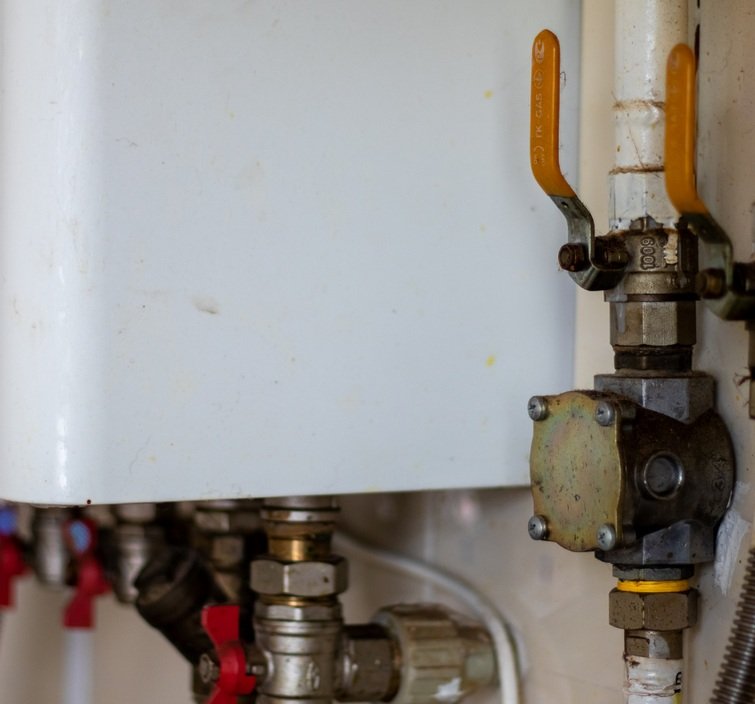
In gas water heaters, insufficient gas supply can hinder the heating process. If the gas line is partially clogged or if the burners are dirty, the water heater will struggle to reach the desired temperature. Regular inspections of gas supply lines and ensuring that the burners are clean can help rectify this issue.
For electric water heaters, problems with electrical components such as thermostats and heating elements can also lead to slow heating. If the thermostat is malfunctioning, it may not signal the heating elements to activate properly, resulting in subpar performance. Homeowners should routinely check these components and replace any faulty parts to maintain a stable heating output.
When to Seek Professional Help and Maintenance Tips
Understanding when to seek professional help for your water heater is crucial in maintaining a comfortable home. If you notice that your water heater is no longer providing adequate hot water, it is advisable to contact a qualified technician. Additionally, if you detect any unusual noises emanating from the unit or if there are signs of leakage, professional assistance is warranted. These issues can often indicate underlying problems that, if left unaddressed, could lead to more significant repairs or even replacement.
Homeowners should also consider seeking professional help if their water heater is nearing the end of its lifespan. Most water heaters have a lifespan of about 10 to 15 years. It’s crucial to stay aware of this timeline, as an aging unit is more susceptible to breakdowns. Furthermore, if your water heater is constantly requiring repairs, it may be time to evaluate its overall condition and consider a replacement to ensure efficiency and comfort.
In terms of maintenance, there are several key practices that can help extend the lifespan of your water heater. Regularly flushing the tank, approximately once a year, can prevent sediment buildup, which often hinders performance. Additionally, checking the anode rod every couple of years and replacing it if necessary can help prevent corrosion. To further enhance efficiency, homeowners should insulate hot water pipes, which minimizes heat loss while the water travels to faucets. Lastly, maintaining the temperature setting at around 120 degrees Fahrenheit can improve comfort while saving energy.
By being proactive and informed about the signs that necessitate professional intervention and implementing regular maintenance practices, homeowners can ensure their water heating system operates efficiently and reliably.