The Importance of Avoiding Incompatible Metal Fittings in Your Water Heater
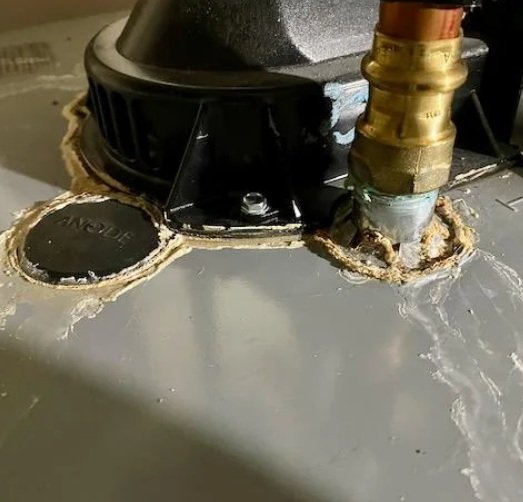
In the realm of plumbing, specifically water heaters, understanding metal compatibility is critical. Different types of metals exhibit distinct properties and behaviors, particularly when they come into contact with each other. When dissimilar metals are used in conjunction, they can engage in electrochemical reactions that lead to a phenomenon known as galvanic corrosion. This type of corrosion occurs when two metals with differing electrochemical potentials are in electrical contact in the presence of an electrolyte, typically water.
Common metals found in water heater fittings include copper, brass, and galvanized steel. Each of these metals presents a unique set of characteristics that dictate their suitability for specific applications. For example, copper is known for its excellent thermal conductivity and resistance to corrosion, making it a popular choice for plumbing systems. Brass, an alloy of copper and zinc, combines great strength with corrosion resistance but is often more vulnerable to dezincification when in contact with certain metals.
Galvanized steel, which is coated with zinc to prevent rusting, presents a different set of challenges due to the potential for zinc to corrode when in electrical contact with copper or brass. This can hasten the deterioration of the galvanization, compromising the structural integrity of the pipe. Such reactions not only increase the risk of leaks but can also lead to complete system failure if left unchecked.
Recognizing the nuances of metal compatibility in your water heater system can be pivotal in ensuring longevity and efficiency. Employing metals that are compatible with one another helps mitigate the risks associated with corrosion and potential system breakdown. Therefore, it is vital to consult with professionals when installing or replacing fittings and components to maintain a harmonious metal environment.
The Risks of Mixing Incompatible Metals
Mixing incompatible metal fittings in water heating systems can pose significant risks, particularly due to accelerated corrosion rates. When two different metals are in contact with each other in the presence of an electrolyte, such as water, galvanic corrosion can occur. This phenomenon happens because one metal tends to corrode faster than the other, potentially leading to premature failure of components in the plumbing system.
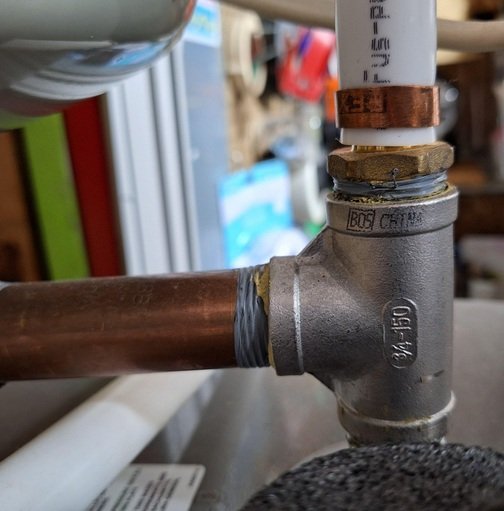
For instance, when copper fittings are connected to galvanized steel pipes, the steel will often corrode at an accelerated rate. In a typical household water heating system, this issue can lead to leaks and ultimately significant damage to the water heater and associated plumbing. Over time, the weakened fittings may fail entirely, causing unexpected water damage, which might require costly repairs or replacements.
Case studies highlight the severity of such situations. One notable incident involved a commercial water heating system where a mixture of bronze and aluminum fittings was used. Within just two years, the aluminum fittings experienced severe corrosion, resulting in a complete system failure and interruption of service. The repairs not only required replacement of the fittings but also extensive work on the connected infrastructure, accumulating costs significantly beyond initial estimates.
Another example is a residential water heating system where mixing stainless steel and copper components led to water leaks after just a few months of operation. The homeowner faced not only repair costs but also potential damage to personal property due to the ensuing leaks. Such instances underscore the urgent need for careful consideration when selecting materials for water heaters.
In summary, the risks associated with mixing incompatible metal fittings in water heating systems extend beyond mere inconvenience. They can lead to accelerated corrosion, costly failures, and safety hazards that underline the importance of using compatible metals in plumbing systems.
Best Practices for Choosing Compatible Fittings
Selecting the appropriate metal fittings for your water heater is crucial for maintaining its efficiency and longevity. To ensure compatibility, one of the best practices is to choose fittings made from the same metal as the water heater tank. This reduces the risk of galvanic corrosion, which can occur when different metals are in contact with each other in the presence of an electrolyte, such as water. For example, if your water heater tank is made of steel, it is advisable to use steel fittings to match.
Another key recommendation is to consult the manufacturer’s guidelines for your specific water heater model. Manufacturers typically provide detailed information on compatible materials and components that can enhance the performance of your water heater. Adhering to these recommendations helps ensure warranty compliance and can prevent potential issues arising from using inappropriate components.
Furthermore, seeking advice from qualified plumbing professionals can also be beneficial. A knowledgeable plumber can help you navigate the various fitting options available, ensuring that you make informed choices based on your unique installation requirements. They can also offer insights on approved materials that are suitable for your water heater system, thereby enhancing overall safety and efficiency.
When evaluating metal fittings, consider looking for labels and certifications that certify their compatibility with water heater systems. Familiarizing yourself with common metals, such as brass, copper, and plastic composites, used in plumbing can significantly aid in the selection process. Ideally, use fittings that are specifically designed for high-temperature and high-pressure applications to ensure reliability.
In summary, selecting compatible metal fittings involves choosing matching materials, consulting manufacturer specifications, and considering expert advice. By following these guidelines, you can enhance the effectiveness and lifespan of your water heater while reducing maintenance issues.
How to Inspect and Maintain Your Water Heater to Prevent Issues
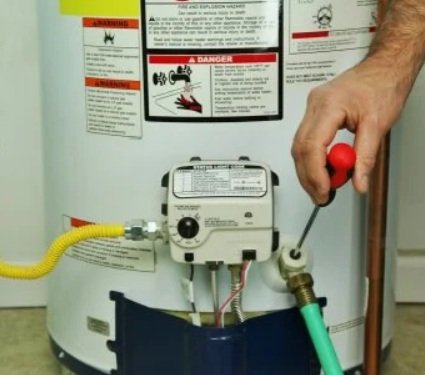
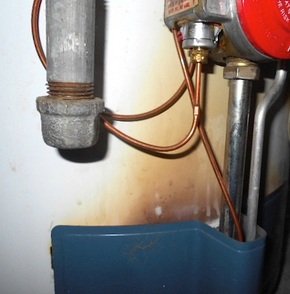
Regular inspection and maintenance of your water heater are critical to ensuring its longevity and efficient operation. One of the foremost tasks is to check for signs of corrosion and leaks, which can be exacerbated by the presence of incompatible metal fittings. Homeowners should regularly inspect the connections and fittings for any signs of rust or deterioration, as these are indicators of impending failure. If you notice any corrosion around the fittings or water leaks, it is advisable to address these issues promptly to avoid more severe damage.
Routine maintenance also includes flushing the tank to eliminate sediment buildup. Sediment can accumulate over time, leading to reduced efficiency and potential overheating, which may result in further damage to the tank. This process should preferably be carried out annually. Furthermore, inspecting the pressure relief valve is essential. A malfunctioning valve can create excessive pressure within the tank, risking leaks and possible explosions. Homeowners should test the valve by lifting the lever and observing if water flows out, indicating it is functioning correctly.
Replacing incompatible metal fittings is another critical aspect of maintenance. Using the correct materials—typically brass or plastic, as opposed to aluminum or galvanized steel fittings—can prevent galvanic corrosion and extend the life of your water heater. If fittings show signs of wear or have been in service for an extended period, replacing them should be prioritized.
Finally, while DIY inspection is valuable, professional assessments are highly recommended at scheduled intervals. Professionals have the expertise to identify potential problems that may go unnoticed by an untrained eye. They can ensure that all aspects of your water heater, including fittings, are compatible and functioning correctly, thus providing peace of mind and enhancing the reliability and safety of your system.