Why You Should Avoid DIY Water Heater Electrical Work Unless Qualified
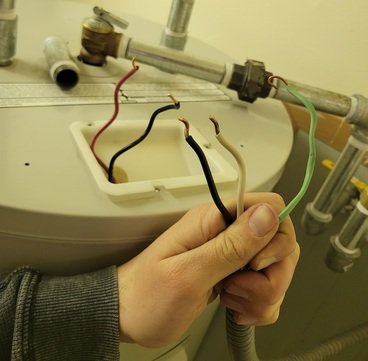
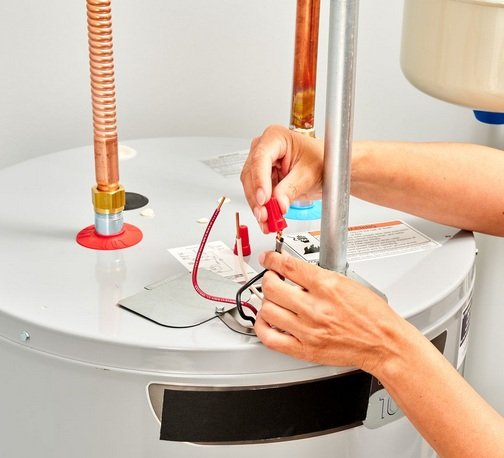
Attempting to conduct electrical work on water heaters without the necessary qualifications poses several significant risks. One of the most pressing dangers associated with unauthorized interventions in electrical systems is the threat of electrocution. Water heaters operate at high voltages, typically between 120 and 240 volts. A fundamental understanding of electrical safety measures is crucial, as even a momentary lapse in caution can lead to severe injuries or fatalities.
Additionally, there exists a considerable risk of fire hazards resulting from incorrect wiring or faulty installations. Water heaters that are improperly wired can generate excessive heat and, in some instances, may lead to electrical fires that not only damage the water heater itself but also pose a significant danger to the entire household. The National Fire Protection Association has reported that electrical failures or malfunctions are leading causes of residential fires, and DIY electrical work often contributes to these unfortunate incidents.
Another consequence of unqualified work on water heaters is the potential for damage to the appliance itself. Water heaters are complex systems that rely on correctly configured electrical connections for optimal operation. Inadequate knowledge of water heater wiring may result in complications that could necessitate costly repairs or a premature replacement of the unit. Furthermore, when homeowners engage in DIY projects, they often overlook local code requirements that govern electrical installations, increasing the likelihood of non-compliance issues.
Considering the intricacies involved in water heater electrical work, it becomes apparent that the risks significantly outweigh any perceived benefits of a DIY approach. A well-informed understanding of electrical systems, alongside the awareness of potential hazards, highlights the importance of entrusting these tasks to qualified professionals.
Regulatory and Safety Standards for Water Heater Installations
Water heater installations and repairs are governed by a variety of legal and safety standards designed to protect individuals and property. Compliance with these regulations is critical not only to ensure the durability of the unit but also to guarantee the safety of anyone living or working in the vicinity. Various regulations come into play, beginning with local building codes. These codes set the foundation for what is permissible in terms of installation and operation within a specific geographic area. Adhering to these codes ensures that the installation meets regional safety standards.
In addition to local regulations, the National Electrical Code (NEC) plays a significant role in the safe installation of electrical systems, including those that power water heaters. The NEC outlines specific requirements regarding wiring, grounding, and circuit protection, which are crucial for preventing electrical hazards. Ignoring these requirements can not only endanger residents but may also lead to legal repercussions.
Manufacturer guidelines also provide essential information that should be followed during installation. These guidelines often include critical safety measures and operational instructions tailored to specific models. Deviating from these specifications can void warranties and result in unsafe operating conditions.
For most water heater installations and repairs, obtaining the necessary permits is generally required to ensure compliance with the aforementioned standards. Inspections by local authorities further verify that the installation adheres to safety and regulatory requirements. This multi-layered approach to safety means that skipping any part of the process or attempting to perform installations without proper qualifications can lead to significant risks.
Signs That You Should Call a Professional Instead of DIY
Homeowners contemplating DIY water heater electrical work must recognize several critical indicators that suggest it is time to call in a professional. These signs often indicate that the issue surpasses one’s basic understanding of plumbing and electrical systems, which is vital for ensuring safety and system functionality.
One prominent sign is the presence of unusual noises emanating from the water heater. Sounds such as popping, rumbling, or hissing can indicate sediment build-up, a malfunctioning heating element, or other technical issues. If left unaddressed, these problems may escalate, potentially leading to severe safety hazards.
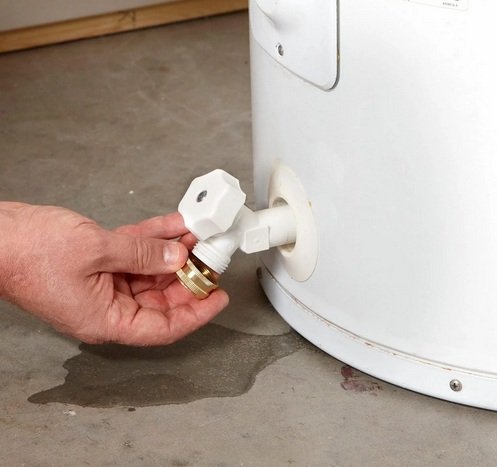
Another indicator is the appearance of leaks around the unit. While minor condensation may be typical, any significant pooling water or dripping from the tank or plumbing connections warrants immediate professional evaluation. Leaks can not only cause water damage to your home but might also signify deeper mechanical failures.
Inconsistent heating is also a vital warning sign. If the water heater fails to maintain an even temperature or does not provide hot water at all, it may suggest a malfunction within the system that could require an expert’s intervention. Attempting to rectify this issue without sufficient knowledge can lead to more complications and potentially jeopardize safety.
Finally, recognizing the limits of your expertise is crucial. Should you find yourself feeling overwhelmed or unsure of the procedures and safety protocols involved, contacting a licensed professional becomes necessary. They possess the qualifications and experience to diagnose and fix issues effectively, ensuring optimal performance and safety of the water heater.
Finding Qualified Professionals for Water Heater Work
When it comes to addressing water heater issues, it is essential to engage qualified professionals to ensure safe and effective work. Finding the right electrician or plumber requires a systematic approach. First, begin by researching licensed electricians in your area. Websites that list licensed professionals can provide valuable information. Check local directories or state licensing boards to verify their credentials and ensure they are qualified for the specific work required.
Next, once you have identified potential candidates, take the time to read customer reviews. Websites such as Angie’s List, Yelp, or Google Reviews can offer insights into the experiences others have had with these professionals. Look for consistent patterns in feedback, both positive and negative, which can help you gauge the reliability and competence of each electrician or plumber.
Obtaining estimates is crucial when assessing your options. Contact multiple professionals to request written estimates for the work required on your water heater. A clear estimate should detail costs, including parts and labor, as well as a timeline for completion. This not only helps you stay within your budget but also provides an opportunity to compare services offered.
Moreover, during discussions with potential professionals, don’t hesitate to ask the right questions. Inquire about their experience with water heaters, particularly with the specific brand or type you own. Ask about warranties on parts and labor, and any additional services they may provide in case further issues arise. Confirming these details can prevent future complications and ensure peace of mind. By following these steps, you can confidently select a qualified professional for your water heater needs.