Ensuring Proper Clearance from Walls to Your Water Heater
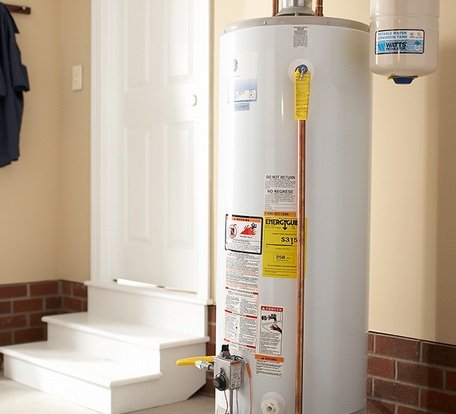
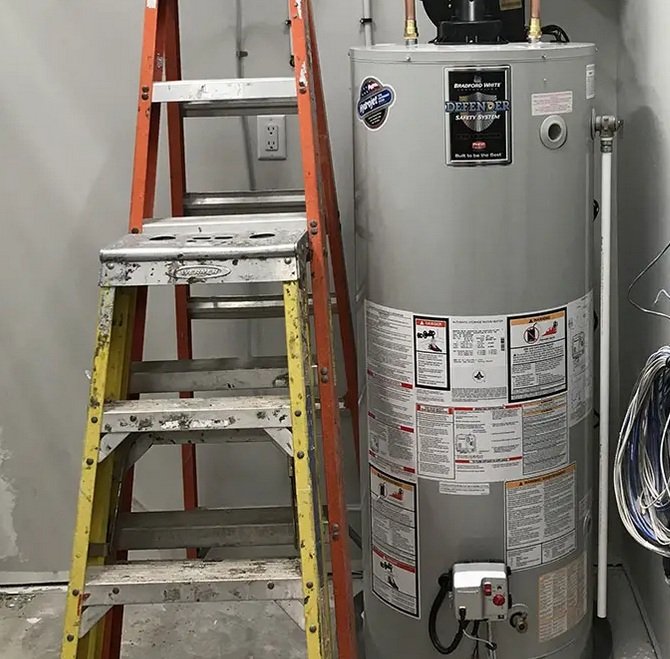
Water heaters are essential appliances in many homes, providing hot water for various needs such as bathing, cooking, and cleaning. Understanding the clearance requirements for these appliances is crucial for ensuring safe operation and compliance with local building codes. Different manufacturers specify unique clearance guidelines for their water heaters, and adhering to these is vital to prevent dangers such as overheating, fires, or accidental damage.
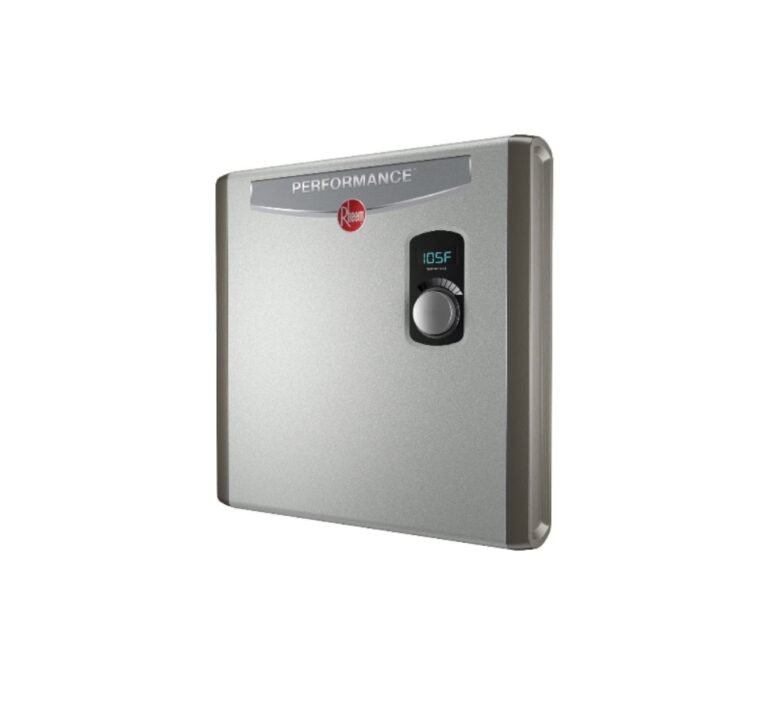
Typically, the clearance recommendations can vary based on the type of water heater in question. For instance, traditional tank water heaters may need more space around them compared to tankless models. Tank-style heaters generally require clearances of at least 18 to 30 inches in front for maintenance access, with additional space needed at the sides and back for ventilation. In contrast, tankless water heaters, which are usually mounted on walls, might have specific horizontal and vertical clearances that must be maintained to ensure optimal performance.
Moreover, clearance requirements can also depend on the fuel type utilized by the water heater. Gas water heaters, for example, often necessitate increased clearance spaces due to the need for adequate ventilation and the prevention of flammable gas accumulation. Electric models, while still requiring certain clearances, typically have different specifications since they do not produce combustion gases.
Local codes may also influence the clearance regulations that homeowners are required to follow, necessitating thorough research. It is advisable to consult the manufacturer’s guidelines and local regulations before installation to ensure proper clearance. This compliance not only enhances the longevity of the heater but also assures safe operation, minimizing any potential hazards associated with improper installation.
Consequences of Insufficient Clearance
Adhering to proper clearance guidelines around water heaters is crucial not only for operational efficiency but also for safety reasons. Insufficient clearance can lead to a variety of risks that can compromise both the performance of the appliance and the safety of the home. One of the most significant dangers associated with inadequate space around water heaters is the heightened risk of fire hazards. When a water heater is placed too close to walls or combustible materials, it can generate excessive heat, which may ignite these materials. This risk is particularly pronounced when maintenance is neglected, and accumulated dust and debris also contribute to potential fire outbreaks.
Another consequence of inadequate clearance is reduced energy efficiency. Water heaters require a specific airflow around them to operate optimally. When clearance guidelines are not followed, the unit may have to work harder, leading to increased energy consumption and subsequently higher utility bills. Over time, this strain on the appliance can lead to premature wear and tear, ultimately resulting in the need for costly repairs or replacement.
Additionally, poor clearance can hinder the water heater’s performance. When space is restricted, the water heater may not be able to adequately expel heat, impacting its ability to maintain the desired water temperature. This disruption can manifest in inconsistent hot water supply, frustrating users. Common issues arising from insufficient clearance include noisy operation and the formation of condensation due to poor ventilation. These issues can lead to further complications and necessitate professional intervention, which adds to overall maintenance costs. Taking the time to ensure proper clearance can prevent these detrimental consequences and maintain the longevity of your water heater.
How to Measure and Maintain Clearance
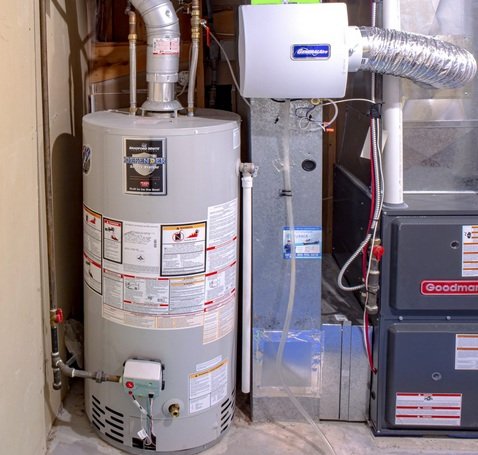
Measuring and maintaining the proper clearance from walls to your water heater is crucial for ensuring safety and compliance with regulations. The process begins with acquiring a reliable measuring tape, which should be used to determine the distances around the unit. Standard clearance guidelines suggest at least 12 inches of space on all sides of the water heater. This allows adequate ventilation and access for maintenance. To measure effectively, first, identify the points of reference on the water heater, typically the top outlet and sides. Extend the measuring tape from these points to the nearest wall or obstruction, ensuring to hold the tape straight for an accurate reading.
After taking these measurements, it is essential to document them for future reference. Mark any areas where clearance may not meet the required standards. Another important aspect of maintaining clearance is periodic checks for obstructions such as furniture, boxes, or construction materials that may inadvertently encroach on the required space. This should be done at least once a year. During these checks, ensure that nothing is stored against the water heater, as this can impede airflow and lead to overheating or increased risk of fire. In addition, inspect the installation area for any changes that might necessitate adjustments to clearance. Over time, household situations can change, leading to new storage needs or renovations that may affect clearance.
If obstructions are found during your checks, they should be removed or relocated immediately. For more severe issues or if the water heater requires relocation, it is advisable to consult with a qualified technician. Correct measurements and regular maintenance of clearance around your water heater will foster better operational efficiency and a safer environment in your home.
Best Practices for Water Heater Installation and Clearance
Ensuring proper clearance from walls to your water heater is paramount for both safety and efficiency. When installing a water heater, whether as a DIY project or through professional assistance, adhering to best practices can lead to optimal performance and longevity of the unit. First and foremost, consult the manufacturer’s guidelines regarding clearance specifications. Typically, a minimum clearance of several inches is recommended, allowing for adequate airflow and accessibility for maintenance.
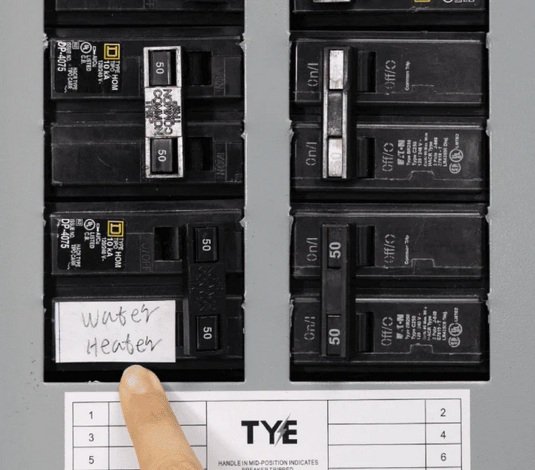
For DIY enthusiasts, begin by assessing the installation area for any potential hazards or obstacles. Clear the area of debris and ensure stable ground support. After securing the necessary tools, follow these steps: first, turn off any utility lines connected to the water heater. Secondly, accurately measure the intended installation space, keeping in mind the clearance requirements. When positioning the heater, utilize a level to confirm it is even, preventing any potential leaks or malfunctions. Once installed, regularly check the connections for leaks, particularly in the first few weeks of operation, allowing adjustments to be made promptly.
In addition, it is wise to enlist the help of industry professionals to ensure a seamless installation. Experts can provide insights beyond standard practices, highlighting common mistakes such as inadequate venting or overestimating clearance. Engaging professionals can also offer future-proofing strategies like upgrading to energy-efficient models or ensuring compliance with local codes. Ultimately, whether pursuing a DIY installation or hiring a professional, correct positioning and sufficient clearance from walls are vital to maintaining the safety, efficiency, and longevity of your water heater. Remember that an informed approach helps prevent issues down the line, providing peace of mind for homeowners.