Don’t Overload Your Water Heater System with Excessive Hot Water Use
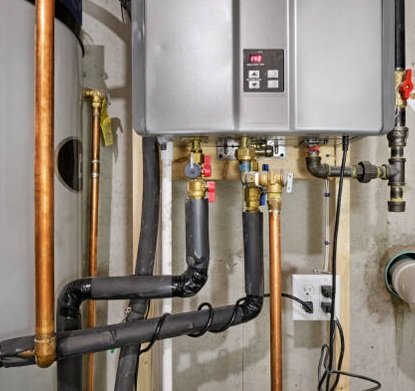
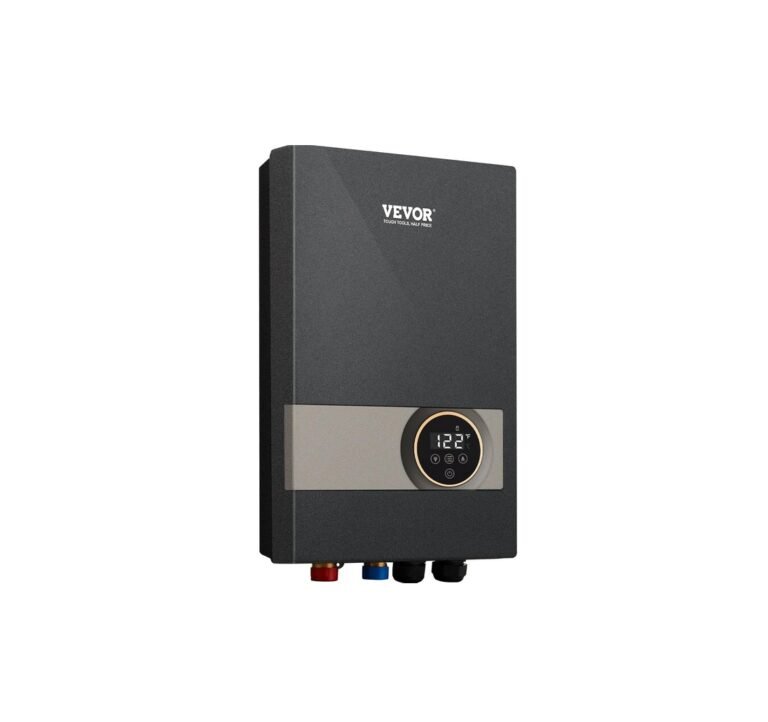
Water heater systems are essential fixtures in any home, providing hot water for bathing, cooking, and cleaning. These systems generally fall into two main categories: tank water heaters and tankless water heaters. Tank water heaters store a pre-defined quantity of hot water in an insulated tank, while tankless water heaters heat water on demand, eliminating the need for such storage. The operational efficiency and capacity of each type can significantly influence your hot water supply and overall energy consumption.
The capacity of a tank water heater is typically measured in gallons, with standard sizes ranging from 20 to 80 gallons to accommodate various household needs. Understanding the capacity of your system is crucial because exceeding this limit can lead to inadequate hot water supply during peak usage times, which might compel users to take shorter showers or wait for the water to heat again. Conversely, tankless water heaters, though providing a continuous flow of hot water, may still be overwhelmed if multiple appliances utilize hot water simultaneously, thus necessitating a careful assessment of anticipated demand.
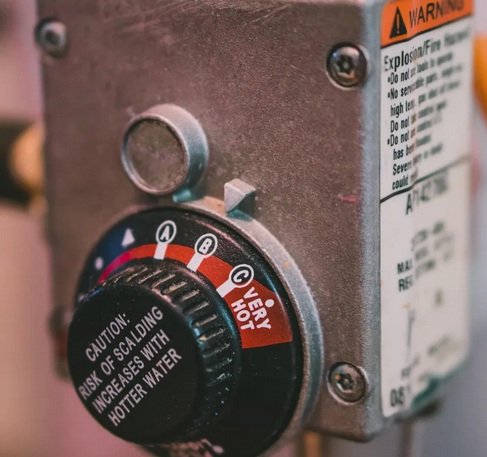
Maintaining an optimal temperature setting on your water heater is also vital. Most manufacturers recommend keeping the thermostat at 120 degrees Fahrenheit to prevent overheating and reduce energy costs. Regular maintenance, such as flushing the tank or checking for sediment buildup, is necessary to ensure efficient performance and longevity of the system. An understanding of the mechanics behind your water heater system—not merely its presence—empowers homeowners to use hot water judiciously, preventing stress and potential overload on the system.
Signs You Are Overloading Your Water Heater
Water heaters are essential components of many homes, providing hot water for various needs such as bathing, cooking, and cleaning. However, when a water heater is overloaded, it can lead to a range of issues that compromise efficiency and performance. Recognizing the signs of an overloaded water heater is crucial for ensuring its longevity and effective operation.
One of the primary indicators of overloading is a fluctuating water temperature. If you notice that the water temperature changes unpredictably during use, it may indicate that the demand for hot water exceeds the heater’s capacity. This fluctuation can result in discomfort and disappointment during daily routines.
Another telltale sign is an inadequate hot water supply. If you frequently run out of hot water or it takes longer than usual for the heater to replenish it, this can suggest that the system is overwhelmed. Whether it’s a family of multiple users or excessive usage during peak hours, understanding your hot water consumption is vital to managing your system’s output effectively.
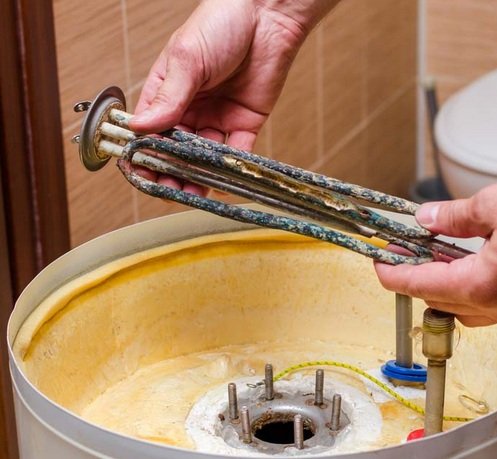
Unusual noises coming from the water heater can also be a warning sign. Sounds such as rumbling, popping, or hissing typically indicate sediment buildup or other malfunctions, which can be exacerbated by excessive use. These noises are often a cry for attention from the appliance, hinting at potential damage or inefficiency.
Lastly, an increase in utility bills could signify that your water heater is overworked. Higher energy consumption, resulting from continual heating of water to meet excess demand, reflects on your monthly bills. It’s prudent to monitor your utility expenses to catch early signs of potential problems.
By keeping an eye out for these indicators, homeowners can take proactive measures to prevent overloading their water heaters, ensuring a consistent supply of hot water and promoting energy efficiency.
Consequences of Excessive Hot Water Use
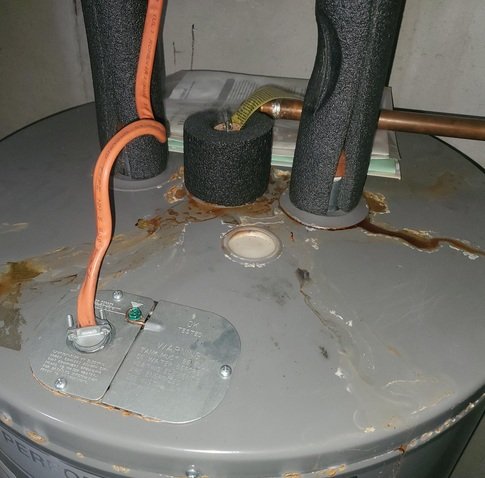
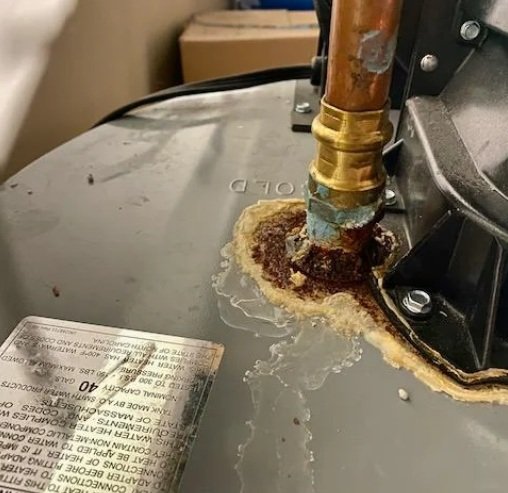
Excessive hot water use can have significant repercussions on both the water heater system and the overall plumbing infrastructure of a building. One of the most immediate consequences is the strain placed on the water heater itself. When demand exceeds the heater’s designed capacity, it can lead to overheating, potentially resulting in equipment failure. This often necessitates costly repairs or even complete replacement, leading to unexpected financial burdens for homeowners.
Moreover, the impact on energy efficiency is worth noting. A water heater that is frequently overworked will consume more energy, as it tries to meet the heightened demand for hot water. This increased energy expenditure not only raises utility bills but also contributes to a larger carbon footprint, making it a matter of environmental concern as well.
Safety is another critical issue when it comes to the overuse of hot water. High temperatures can increase the risk of scalding accidents, which can be particularly dangerous for vulnerable populations such as children and the elderly. Scalding can result from water that is heated beyond safe levels, exposing users to potential burns and related injuries.
In addition to safety hazards, excessive use of hot water can lead to problems within the plumbing system. Continuous demand for hot water may create pressure imbalances and lead to pipe bursts or leaks. These plumbing issues can not only be detrimental to the structure of the home but can also require extensive repairs, further adding to the cost of excessive hot water use.
Best Practices to Prevent Overloading Your Water Heater
To ensure that your water heater operates efficiently and to prevent overloading the system, it is essential to adopt several best practices. One of the critical measures is to consider the use of energy-efficient appliances. Choosing appliances that consume less hot water while providing the same level of comfort can greatly reduce the demand on your water heater. Look for appliances with high Energy Star ratings, which are designed to minimize energy consumption without sacrificing performance.
Scheduling your hot water usage is another effective strategy. By planning activities that require hot water, such as laundry, dishwashing, and showering, you can help distribute the demand more evenly throughout the day. This not only prevents peak usage times but also allows your water heater to recover more efficiently after heavy use periods.
Furthermore, setting the appropriate temperature on your water heater is crucial. The United States Department of Energy recommends a temperature setting of 120 degrees Fahrenheit for optimal performance and safety. This setting not only helps in minimizing the risks of scalding but also reduces energy consumption, thus protecting your system from being overloaded.
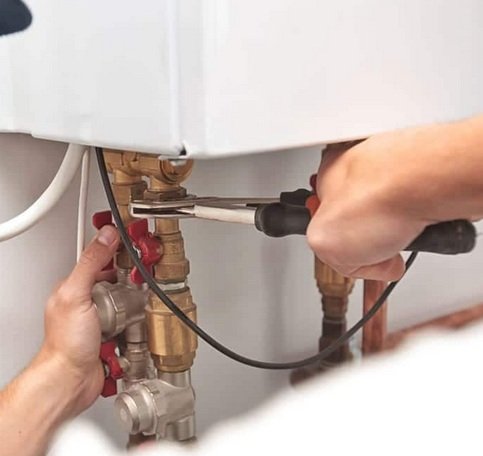
Regular maintenance of your water heater is equally important. Performing routine checks and necessary maintenance can significantly enhance the efficiency and longevity of the unit. Periodic flushing of the tank to remove sediment, inspection of the anode rod, and verifying that the thermostat is functioning properly can all contribute to maintaining an optimal performance level. Consistently attending to these aspects can help prevent your water heater from being overloaded with excessive hot water use.