Watch for Moisture or Corrosion on Water Heater Fittings: A Comprehensive Guide
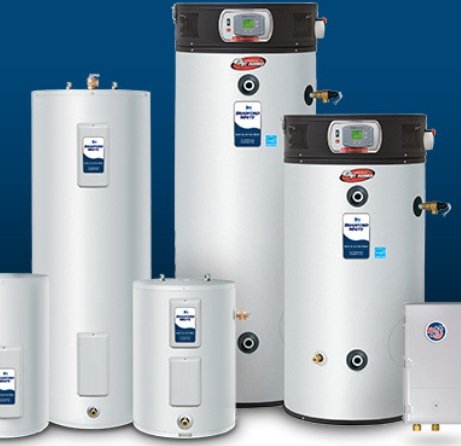
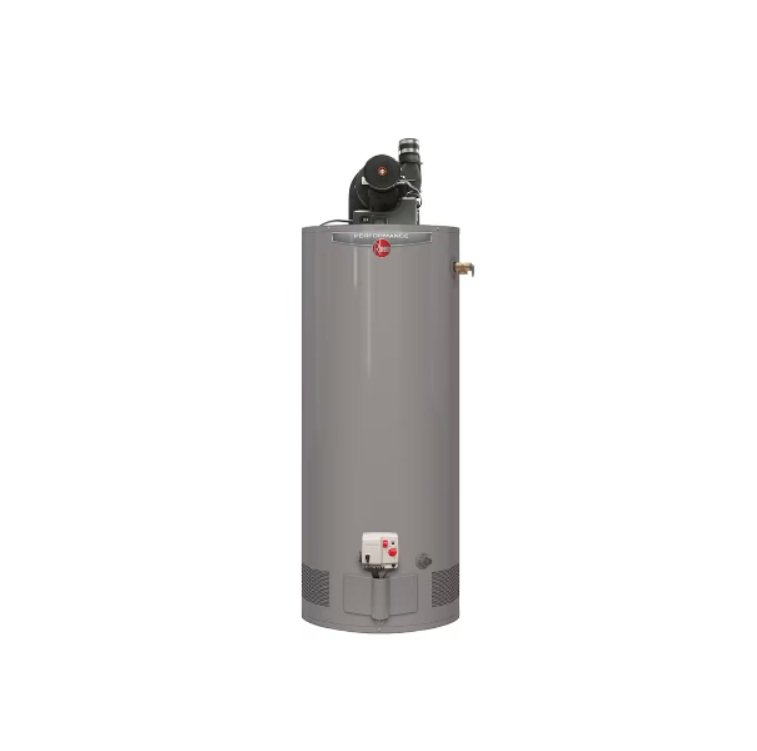
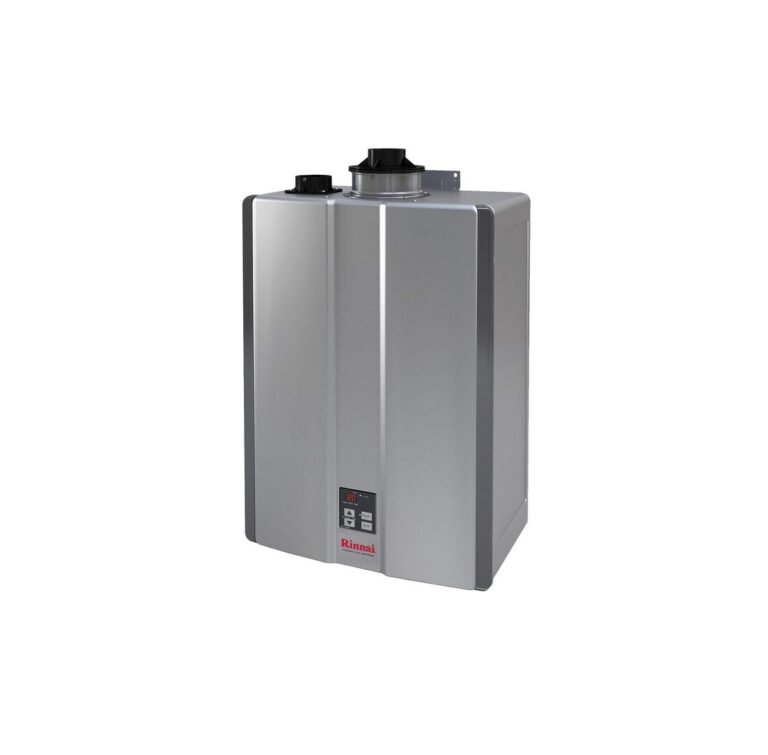
Water heater fittings are essential components that facilitate the overall functionality of a water heater system. These fittings serve as connectors between various parts of the unit, including pipes, valves, and the storage tank. Typically made from materials such as brass, copper, or plastic, the choice of material often depends on factors such as temperature resistance, durability, and compatibility with the water heating system.
The primary role of water heater fittings is to ensure proper water flow throughout the system. They regulate and direct the movement of both hot and cold water within the heater. This flow is crucial for maintaining an efficient heating process, ensuring that hot water is readily available for use when needed. Moreover, these fittings are responsible for establishing secure connections that prevent leaks and safeguard against potential corrosion.
One of the risks associated with faulty water heater fittings is the possibility of leakage, which can lead to significant water damage within a home. Corrosion can also occur over time, especially if the fittings are made from materials that are not resistant to water or heat. This deterioration can compromise the integrity of the fittings and the entire water heating system. For instance, if a fitting develops a crack due to corrosion, it may lead to water pouring out of the system, causing extensive damage and escalating repair costs.
In addition to preventing leaks, maintaining the reliability of water heater fittings is crucial for safety. Faulty fittings can lead to pressure build-up, which may result in dangerous situations, including the risk of explosion. Therefore, understanding the importance of water heater fittings is essential for any homeowner or property manager who relies on a water heater for daily needs.
Identifying Signs of Moisture and Corrosion
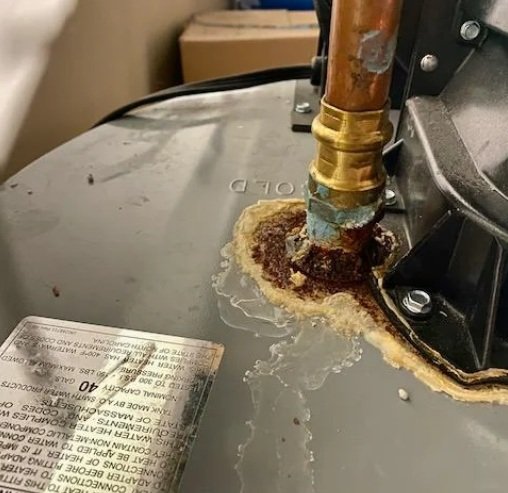
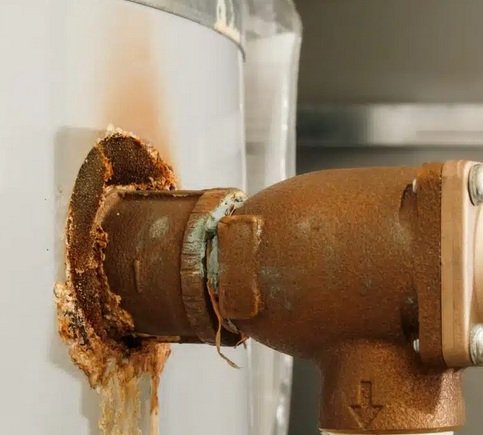
Identifying moisture and corrosion on water heater fittings is crucial for maintaining the integrity of your plumbing system. Several common indicators can assist homeowners in spotting these issues early on. One of the primary signs is discoloration. This may manifest as yellow, brown, or even greenish hues around the fittings, indicating the presence of moisture and subsequent corrosion.
Rust is another significant indicator. If there are visible rust spots on metal fittings, this suggests that water has been in contact with the metal for an extended period, leading to deterioration. Additionally, water stains often accompany such corrosion. These stains may appear as dark patches or streaks, signifying leaks or condensation in the vicinity of the fittings.
Dampness is also a key sign. When inspecting your water heater fittings, it’s important to check for any unusually wet areas, particularly around the valves and connections. If moisture is present, it may indicate a slow leak, which could worsen over time and lead to significant water damage if not addressed promptly.
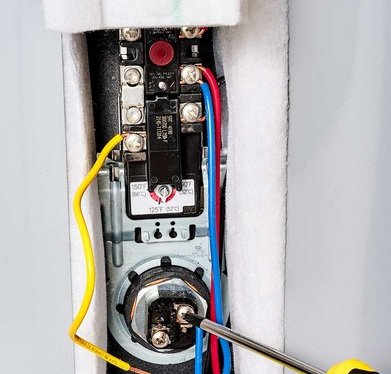
To perform a thorough visual inspection, regular checks are advised. Using a flashlight can help illuminate darker areas, making it easier to spot minor issues before they escalate into serious problems. In some cases, homeowners may need basic tools such as a wrench or a multimeter to inspect electrical connections.
Taking preventative measures, such as inspecting fittings periodically, can help ensure the longevity of your water heater system. Being proactive in recognizing these indicators can save you both time and money in the long run by preventing extensive damage and the need for repairs.
Preventative Measures and Maintenance Tips
Maintaining the integrity of your water heater fittings is essential to preventing moisture buildup and corrosion. To effectively safeguard against these issues, homeowners should adopt a comprehensive maintenance routine that includes regular inspections, cleaning, and the application of protective products.
Firstly, it is advisable to conduct routine inspections of your water heater fittings. Homeowners should check for dampness or signs of corrosion at least once every six months. Pay particular attention to the areas where pipes connect to the heater, as these joints are often at higher risk for leaks. If you detect any signs of moisture, address them immediately to prevent further damage.
In addition to inspections, regular cleaning is vital for maintaining the condition of water heater fittings. Homeowners should utilize a soft cloth and a mild detergent to clean surfaces around the fittings. Avoid harsh chemicals that could lead to further degradation. Cleaning not only removes dirt and grime but also reduces the chances of moisture retention, which can lead to corrosion over time.
To bolster the protection against moisture damage, consider applying protective coatings to exposed fittings. Various commercial products are designed specifically for this purpose, enhancing the water resistance of metal surfaces. These sealants create a barrier against environmental factors that contribute to corrosion. When selecting a product, ensure it is compatible with your specific water heater model and follow the manufacturer’s instructions for application.
In conclusion, adopting a proactive approach through regular inspections, consistent cleaning, and the application of protective products can significantly reduce the risk of moisture and corrosion on water heater fittings. Implementing these practices will not only prolong the lifespan of your fittings but also enhance the overall efficiency of your water heater system.
When to Call a Professional
Water heater fittings play a crucial role in the overall functionality and safety of your water heating system. Regular monitoring and maintenance are essential; however, there are specific instances where the expertise of a professional is vital. When you notice persistent moisture around the fittings, it could indicate a potential leak. Addressing this situation promptly is crucial to prevent further damage and additional repair costs. If the moisture is accompanied by signs of corrosion, it is imperative to enlist a professional’s help for a thorough assessment.
Another scenario that necessitates calling in a professional is if your water heater exhibits fluctuations in temperature or pressure. Such irregularities may stem from malfunctioning fittings or valves, leading to inadequate water heating. A qualified technician can diagnose the issue and determine whether repairing or replacing fittings is the best course of action, ensuring that the water heater operates efficiently.
Additionally, if you encounter water discoloration or unusual odors emanating from your hot water supply, these could be signs of sediment buildup or deterioration within the fittings. Such conditions not only compromise water quality but can also exacerbate corrosion issues. Consulting with an expert can help identify the root cause and provide tailored solutions to restore safety and quality.
Lastly, if you are inexperienced or uncertain about the repair procedures needed for your water heater fittings, seeking professional assistance is always advisable. Handling gas lines, electrical wiring, or plumbing adjustments without the right knowledge may lead to safety hazards or catastrophic failures. Professionals bring both expertise and assurance, ensuring that your water heater remains in optimal condition.
Conclusion
In conclusion, monitoring water heater fittings is essential to ensure both their efficiency and safety. By being vigilant for signs of moisture or corrosion and knowing when to call a professional, homeowners can prevent costly repairs and maintain their water heating system’s integrity. Regular maintenance and expert assessments will ultimately prolong the lifespan of your water heater and provide peace of mind regarding your hot water supply.