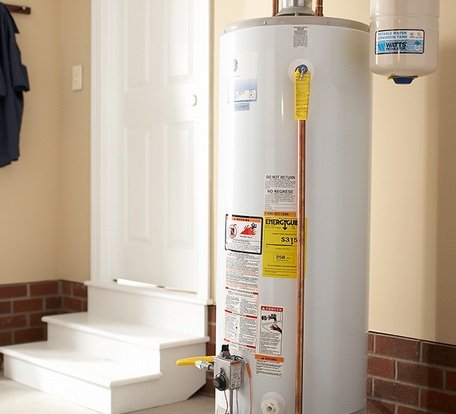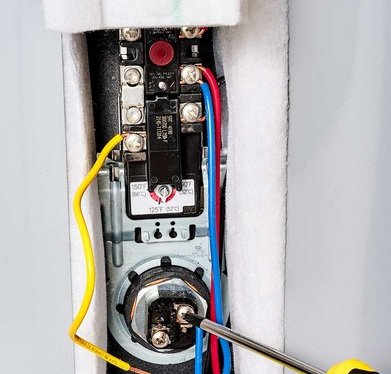
How a Water Softener Can Help Reduce Water Heater Scale Buildup
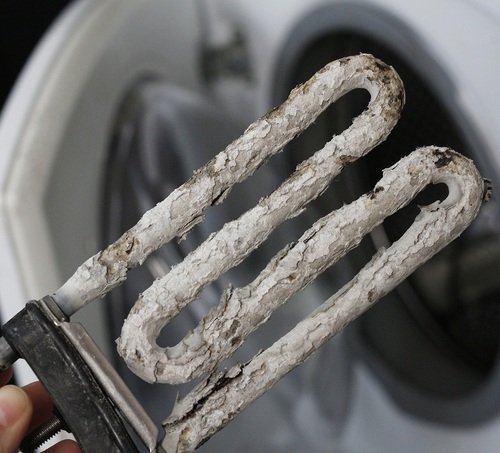
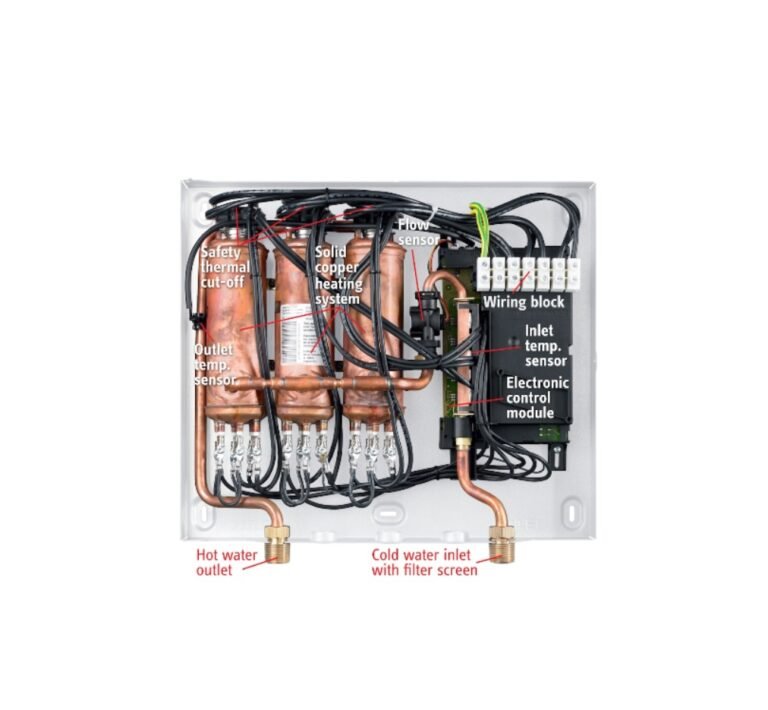
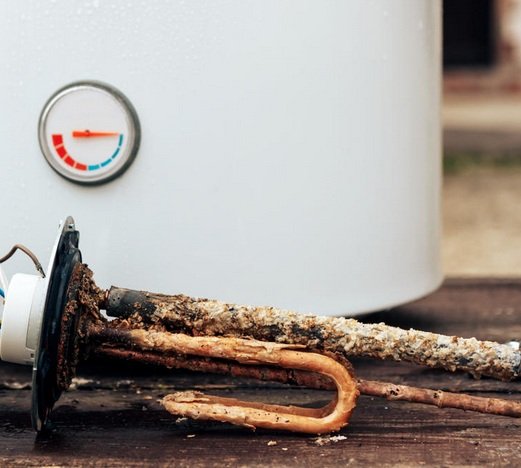
Scale buildup is a common issue that occurs within water heaters, significantly affecting their performance and longevity. This buildup primarily consists of mineral deposits, predominantly calcium and magnesium, which are often found in hard water. Hard water contains a high concentration of these minerals, which tends to precipitate and form scale when water is heated. As water temperature increases, the ability of water to hold these dissolved minerals decreases, leading to their crystallization on the heating elements and the inner surfaces of the tank.
Several factors contribute to the formation of scale buildup in water heaters. Firstly, the hardness of the water is a critical aspect; the more minerals dissolved in the water, the greater the likelihood of scale formation. Additionally, water temperature plays a significant role. Higher temperatures accelerate the process of mineral precipitation, resulting in quicker and more pronounced buildup. Moreover, prolonged periods between water heater maintenance can further exacerbate this issue, allowing scale to accumulate over time.
The impact of scale buildup on water heater efficiency cannot be underestimated. As scale accumulates, it acts as an insulating layer on the heating elements, which means that more energy is required to heat water effectively. This, in turn, leads to increased energy costs for homeowners, as less efficient heaters consume more electricity or gas. Furthermore, excessive scale buildup can shorten the lifespan of a water heater. The constant stress on components due to inefficient operation can lead to premature failure, necessitating costly replacements. Thus, understanding scale buildup is essential for maintaining optimal water heater performance and minimizing energy expenditures.
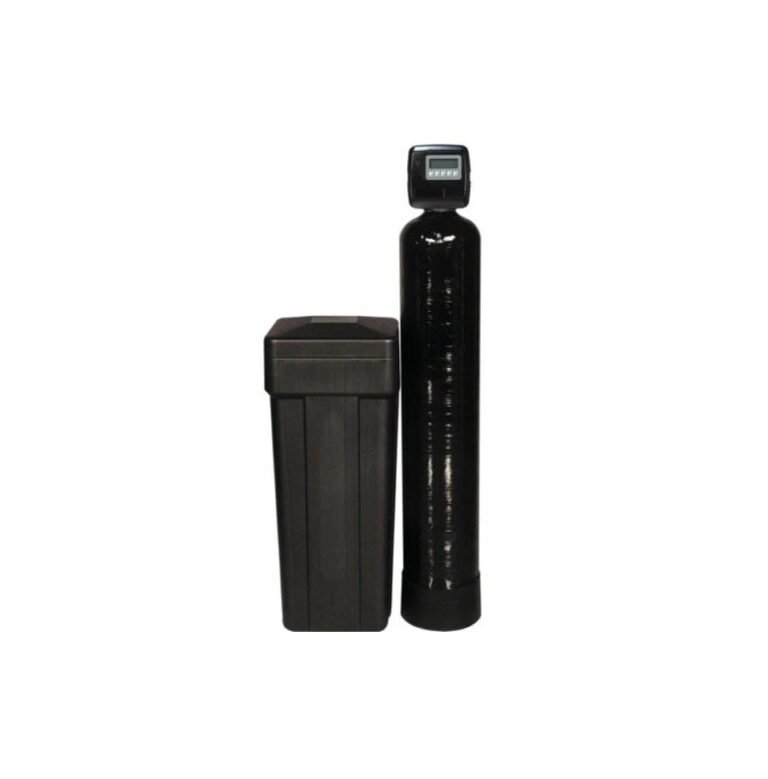
Water softeners play a crucial role in mitigating scale buildup within water heaters by utilizing a process known as ion exchange. This method is core to how these devices operate, aiming to remove hard minerals such as calcium and magnesium that contribute to scaling. When hard water passes through a water softener, it encounters resin beads loaded with sodium ions. As water flows through, the calcium and magnesium ions are attracted to the beads and exchanged for sodium ions, effectively softening the water.
By implementing a water softening system, homeowners can enjoy several benefits that directly impact their water heaters and other appliances. Firstly, softened water reduces the tendency for mineral deposits to accumulate within the water heater. Over time, hard water can create mineral scale buildup, which acts as an insulator and leads to inefficient heating. This inefficiency can cause the water heater to work harder, thereby increasing energy consumption and potential operational costs.
Moreover, using softened water can significantly extend the lifespan of water heaters and other appliances. Without the harsh effects of scale, the internal components are less likely to corrode or suffer damage, reducing maintenance costs and the need for early replacement. Not only does this enhance the durability of your equipment, but it also contributes to improved energy efficiency; water heaters can operate at optimal efficiency levels, resulting in lower utility bills.
In addition to these mechanical advantages, soft water is also gentler on plumbing systems, preventing clogs and ensuring better water flow throughout the home. Thus, incorporating a water softener yields substantial long-term benefits, ultimately fostering a more sustainable and economical household environment.
Benefits of Installing a Water Softener System
Installing a water softener system offers numerous advantages that extend beyond merely preventing the buildup of scale in water heaters. A significant benefit is the improvement in the condition of skin and hair. Hard water, containing high mineral content, can lead to dryness and irritation for both skin and hair. Softened water, in contrast, enhances the quality of bathing and washing experiences, resulting in hydration and a softer texture.
Another notable benefit of a water softener is the enhancement of drinking water quality. Many homeowners have reported that water treated through a softening system tastes better compared to hard water. The removal of minerals such as calcium and magnesium not only contributes to an improved taste but also engages individuals to consume more water, promoting better hydration and health.
The economic advantages of a water softener are also significant. Households often experience reduced soap consumption when using softened water. This reduction is due to the fact that soft water produces lather more effectively, requiring less soap for cleaning tasks. As a result, costs related to purchasing soaps and detergents can diminish over time.
Furthermore, the protection provided to household appliances, such as dishwashers and laundry machines, leads to lower maintenance expenses. Hard water can create deposits that cause these appliances to function less efficiently and may even lead to appliance failures. By using a water softener, homeowners can extend the lifespan of their appliances, reducing the frequency and costs associated with repairs or replacements.
In addition to these benefits, a water softener also positively influences plumbing systems by minimizing scale buildup in pipes, ultimately maintaining optimal water flow and pressure throughout the home.
Conclusion: Making the Switch to Water Softening
In conclusion, the installation of a water softening system can significantly alleviate the challenges associated with water heater scale buildup. Scale formulating due to hard water minerals can lead to reduced efficiency in water heaters, increased energy costs, and a potential decrease in the longevity of the appliance. By investing in a water softener, homeowners not only protect their water heater but also enhance overall water quality throughout their households.
The long-term benefits of switching to a water softening system are numerous. Not only does softened water improve the lifespan of appliances and plumbing, but it also allows for better detergent efficiency in laundry and dishwashing. This results in cleaner clothes and dishes while potentially lowering the volume of cleaning products needed.
When considering the transition to water softening, it is vital to evaluate your specific home needs to select the most suitable system. Factors such as the hardness level of your water, household size, and water consumption patterns play a crucial role in making an informed decision. Consulting with water treatment professionals can provide insights into the various options available, ensuring a tailored solution that meets unique requirements.
Moreover, the importance of professional installation cannot be overstated. Proper installation not only maximizes the efficiency of the water softener but also prevents any potential issues that could arise from improper setup. Hence, engaging experienced professionals for installation can lead to significant long-term savings and operational efficiency.