How to Test Water Pressure to Prevent Water Heater Tank Damage
Water pressure is a crucial aspect of household plumbing, governing the flow of water throughout a residence. It is defined as the force exerted by water as it moves through pipes, typically measured in pounds per square inch (PSI). For optimal residential performance, the ideal water pressure range is generally between 40 and 60 PSI. This range ensures adequate water flow while minimizing stress on plumbing systems and appliances, including water heaters.
Proper water pressure is essential not only for ensuring effective operation of fixtures such as faucets and showerheads but also for the longevity of water heaters. When water pressure is too high, it can lead to potential damage in the form of leaks and burst pipes. Conversely, low water pressure can result in insufficient hot water delivery, causing inconvenience in daily activities. Therefore, monitoring and maintaining appropriate water pressure is vital to prevent complications.
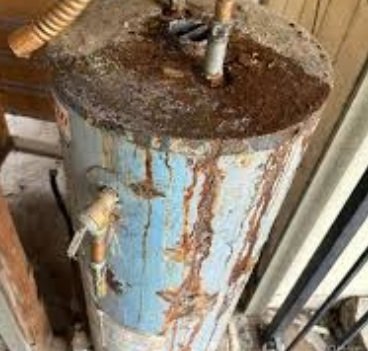
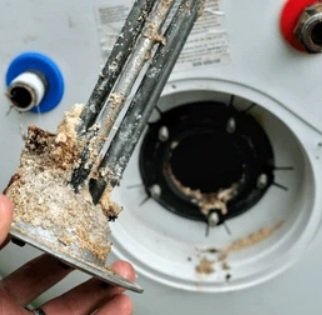
Excessively high water pressure can place undue stress on water heater tanks, leading to issues like corrosion and premature wear. When water pressurizes within the tank beyond its recommended limits, it can weaken joints and seals, increasing the likelihood of leaks. Moreover, improperly regulated pressure can affect the efficiency of the heating elements within the tank, leading to inconsistent hot water availability. It can also contribute to sediment buildup, diminishing the unit’s performance over time. Thus, recognizing the importance of water pressure and understanding its implications on water heaters is crucial for homeowners seeking to prolong the life of their plumbing systems and appliances.
Tools and Techniques for Testing Water Pressure
Testing water pressure is a crucial step for ensuring the longevity of plumbing systems and appliances, such as water heaters. Various tools are available that can measure water pressure accurately. A common device used for this purpose is a pressure gauge. These gauges are designed to connect to a faucet or an outside spigot to measure the water pressure in the system. Analog pressure gauges can be found at most hardware stores and will indicate the pressure reading in pounds per square inch (PSI).
In recent years, digital pressure testers have gained popularity due to their ease of use and precise readings. These devices often feature backlit displays that make them easy to read under various lighting conditions. To use these tools effectively, you must select a suitable connection point—typically a threaded faucet or hose connection. Simply attach the gauge, open the tap fully, and read the measurement provided, ensuring to check the gauge multiple times for accuracy.
Besides employing the right tools, understanding various techniques for measuring water pressure in different systems is essential. For instance, testing water pressure in a residential setting typically involves checking points at the main water supply entry and various faucets. It is recommended to conduct these tests during peak water usage hours to obtain a more accurate representation of pressure. In homes with multiple levels, testing each floor’s water pressure can highlight inconsistencies that might affect certain areas more than others.
By combining the appropriate tools with efficient techniques, homeowners can gain valuable insights into their water pressure. This proactive approach allows for timely interventions, such as adjusting pressure regulators or identifying leaks, thereby preventing potential water heater tank damage.
Signs of High and Low Water Pressure
User experience in a household can be significantly affected by water pressure fluctuations. Understanding the signs of both high and low water pressure is essential for maintaining a functional plumbing system and avoiding damage to appliances, including water heaters.
High water pressure can cause a variety of issues within a plumbing system. One of the most obvious indicators is fluctuating water flow. When faucets or showerheads produce a strong, forceful stream of water that sometimes transitions to a spluttering or erratic output, it may suggest excessively high water pressure. Additionally, unusual noises from pipes, such as banging or humming, commonly referred to as “water hammer,” are critical signs of this condition. These sounds occur when water abruptly stops or changes direction, placing stress on pipes and joints, potentially leading to premature wear or failure.
On the other hand, low water pressure presents its own set of challenges. Homeowners may notice a weak stream when trying to fill a bathtub or shower, which can be particularly frustrating during peak usage times. Appliances that rely on water, such as dishwashers and washing machines, might struggle to function properly, delaying cycles or preventing them from starting altogether. Furthermore, if multiple outlets are opened at the same time and pressure drops significantly, it can indicate underlying pressure issues.
Recognizing these signs of high and low water pressure early is vital. Not only can early detection help homeowners avoid costly repairs down the line but also prevent water heater tank damage, which can occur when pressure levels remain consistently beyond normal limits. Consistent monitoring and prompt action can go a long way toward preserving the integrity of a household’s plumbing system.
Preventative Measures and Solutions for Maintaining Ideal Water Pressure
Maintaining ideal water pressure is essential for safeguarding household plumbing and appliances, especially the water heater tank. One of the primary steps homeowners should take is regular testing of their water pressure, ideally every six months. By using a pressure gauge, individuals can easily determine whether their water pressure falls within the recommended range of 40 to 60 psi. This simple practice can prevent potential problems from escalating.
In addition to regular testing, routine maintenance is crucial. Homeowners should inspect all visible plumbing for leaks or signs of wear, which can lead to fluctuating water pressure. It is also advisable to clean faucet aerators and shower heads, as mineral deposits can obstruct water flow, adversely affecting pressure. If any irregularities are detected, it is wise to consult a professional plumber for an in-depth assessment. Professional evaluations can identify underlying issues that may not be immediately visible.
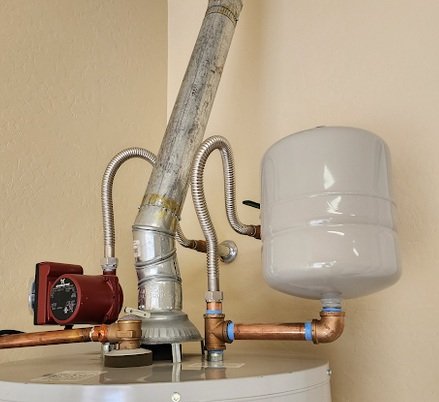
For those experiencing persistent high or low water pressure, installing a pressure regulator can be a highly effective solution. This device automatically adjusts the water pressure entering the home, ensuring it remains within a safe range. Similarly, if excessive water pressure is leading to damage, implementing a pressure relief valve can prevent costly repairs to plumbing fixtures and appliances. Other corrective devices, such as expansion tanks, may be recommended depending on the specific needs of the household.
It is also beneficial to be aware of the local water supply regulations, as these can influence water pressure. Additionally, regular communication with the water utility provider can provide insights into any major changes or upgrades affecting home water delivery. Ultimately, by taking these preventative measures and solutions into consideration, homeowners can effectively maintain their water pressure and minimize potential damage to their water heater and plumbing system.