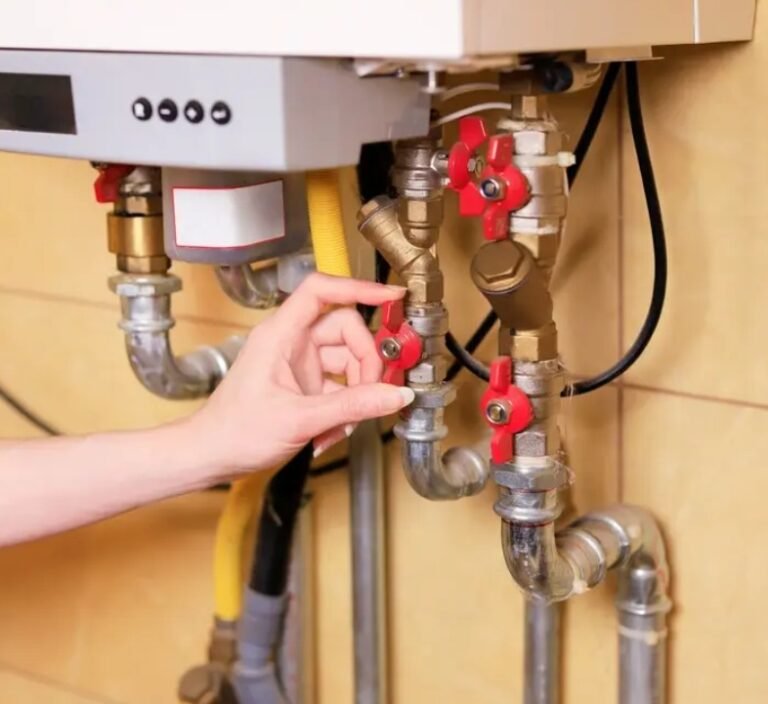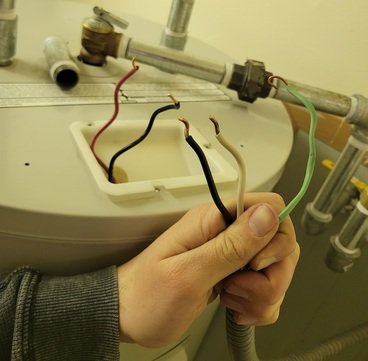
The Importance of Promptly Replacing Worn Water Heater Gaskets
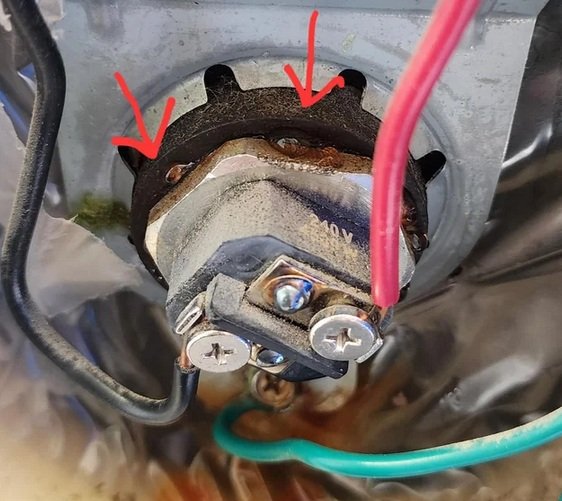
Water heater gaskets are essential components in the function and efficiency of water heaters. A gasket is a mechanical seal that is located at various points throughout the water heater assembly, particularly where two components meet. Their primary function is to prevent leaks by creating a barrier between surfaces that might otherwise allow water or steam to escape. These gaskets are crucial for maintaining optimal pressure within the system, which in turn is vital for safe operation.
There are several types of gaskets used in water heaters, including flat gaskets, O-rings, and custom-shaped gaskets, each serving specific applications. For instance, flat gaskets are commonly used at the tank’s top and bottom, helping to seal the connections of the heating elements. O-rings are typically found within valves and fittings, providing a reliable seal that minimizes the risk of leaks. Custom-shaped gaskets may be used in more complex assemblies where standard shapes do not suffice.
The effectiveness of these gaskets directly influences the water heater’s energy efficiency. When gaskets wear out or become damaged, they can lead to leaks that not only waste water but also result in increased energy costs due to the heater working harder to maintain the desired temperature. Furthermore, prolonged leaks can cause significant water damage and create safety hazards. Therefore, understanding the role of water heater gaskets is critical for homeowners and maintenance personnel alike. Regular inspections and prompt replacement of worn gaskets can prevent performance issues and enhance the longevity of the water heating system.
Signs of Worn Gaskets and Potential Risks
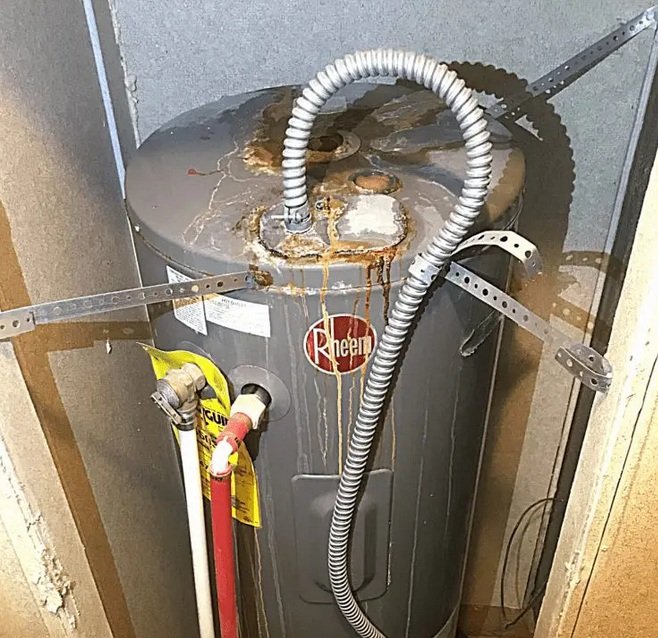
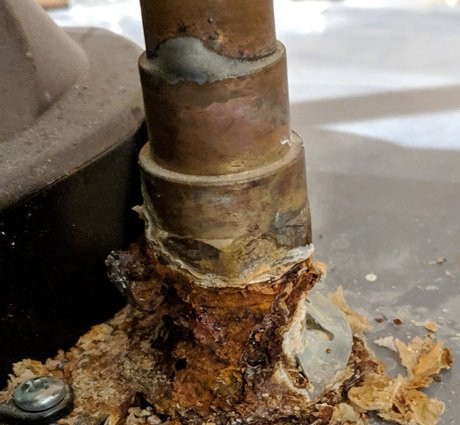
Identifying the signs of worn or damaged water heater gaskets is essential for preventing further complications. One of the most evident indicators is the presence of water leaks around the edges of the water heater. If you notice frequent dripping or pooling water, it is likely a sign that the gasket has deteriorated and requires prompt attention. Additionally, rust formation around the unit or on plumbing connections is another warning signal. Rust is indicative of prolonged exposure to moisture, which can stem from failing gaskets.
Inconsistent water temperatures can also suggest that the gaskets are not sealing properly. When the gasket fails to maintain a tight seal, it can lead to improper functioning of the water heater, resulting in fluctuating temperatures that can be frustrating for users. These variations can affect daily activities that rely on hot water, from showers to dishwashing.
Ignoring these signs can lead to potential risks, including significant water damage to surrounding areas. A compromised gasket can result in leaks that penetrate floors, ceilings, or walls, leading to costly repairs and structural issues. Furthermore, increased energy costs are another consequence of failing gaskets. When the water heater operates inefficiently due to a poor seal, it consumes more energy, raising monthly utility expenses.
Lastly, the safety of the appliance is at stake. A malfunctioning water heater due to worn gaskets can create hazardous conditions, such as pressure build-up or even an explosion, in extreme cases. Therefore, addressing any indicators of gasket wear immediately is crucial not only for maintaining efficiency but also for ensuring safe operation. Regular inspections can help mitigate these risks and ensure the longevity of the water heater.
Steps to Inspect and Replace Worn Water Heater Gaskets
Maintaining your water heater involves routine inspections, especially of critical components like gaskets. To begin, ensure your safety by turning off the power supply to your water heater. For electric models, switch off the circuit breaker dedicated to the water heater. If you have a gas model, set the thermostat to the “pilot” setting.
Next, you should drain the tank to identify any issues more easily. To do this, attach a hose to the drain valve, ensuring it directs the water safely into a bucket or outside. Open the drain valve and also the hot water tap to allow air to enter, facilitating quicker drainage.
Once the tank is fully drained, carefully remove any necessary panels or insulation to access the gaskets. It is advisable to review the installation manual specific to your heater model for precise instructions. Use appropriate tools, such as screwdrivers or wrenches, to safely remove components without damaging them.
After gaining access, visually inspect the gaskets for signs of wear, including cracks or deformities. Gaskets should fit snugly in their designated areas; if they appear loose or dry, they may require replacement. Identifying which gaskets need replacing is crucial for maintaining efficiency and preventing leaks.
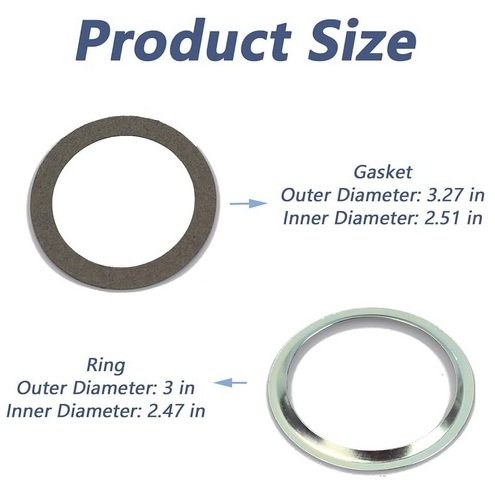
When selecting new gaskets, ensure they are compatible with your water heater model. Gaskets come in various materials, and choosing the right one enhances performance. Once you have acquired the correct gasket, align it properly into its designated location, applying mild pressure to ensure it fits snugly. Reassemble the removed parts in reverse order, ensuring everything is secured tightly.
Finally, after reinstallation, refill your water heater. Inspect for any leaks, and once satisfied with the setup, restore power to your unit. Regular inspections and timely replacement of worn gaskets will ensure your water heater operates efficiently for years to come.
Regular Maintenance for Long-Lasting Water Heater Performance
Maintaining a water heater is essential for ensuring both its longevity and operational efficiency. One vital aspect of this maintenance involves regularly inspecting components, particularly the gaskets. The gaskets, which provide a seal to prevent leaks, can become worn over time due to heat and pressure. Failure to replace these components promptly can lead to significant issues, including leaks that not only compromise the water heater’s performance but also pose risks to the surrounding area.
Routine checks should include an examination of the gaskets, along with other components such as valves, fittings, and the heating elements themselves. Homeowners should look for any signs of wear, corrosion, or damage. If gaskets appear to be fraying or if water leakage is detected, immediate replacement is necessary to prevent further complications. Additionally, it is advisable to check the water temperature settings and ensure they are set to an optimal level to avoid excessive energy consumption.
To help homeowners maintain their water heaters effectively, establishing a maintenance schedule is beneficial. Ideally, these checks should occur at least once a year, allowing for early detection of potential issues. During this annual maintenance visit, it is recommended that a professional technician conduct more thorough inspections, including flushing the tank to remove sediment buildup, checking the anode rod, and testing the temperature pressure relief valve. By adhering to this maintenance schedule, it is possible to prolong the life of the water heater, enhance its energy efficiency, and ensure continued functionality.