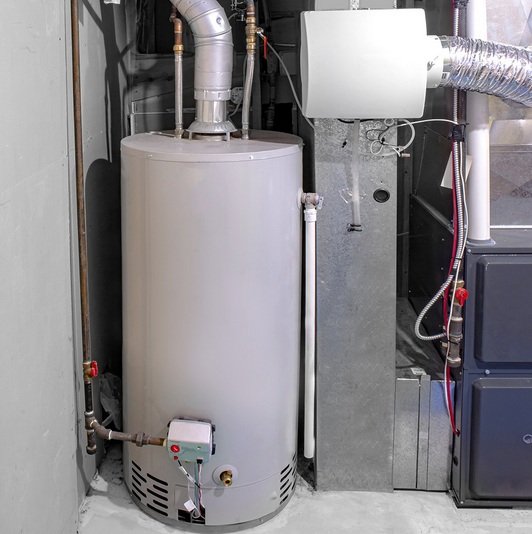
Why You Shouldn’t Ignore Rusty or Discolored Hot Water from Your Water Heater
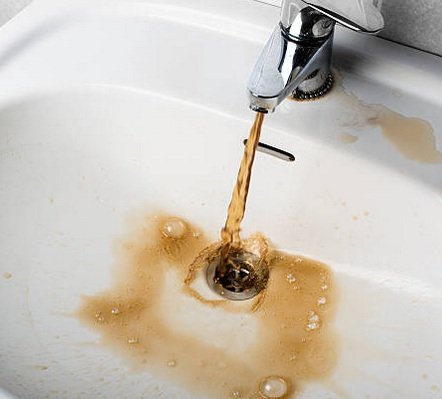
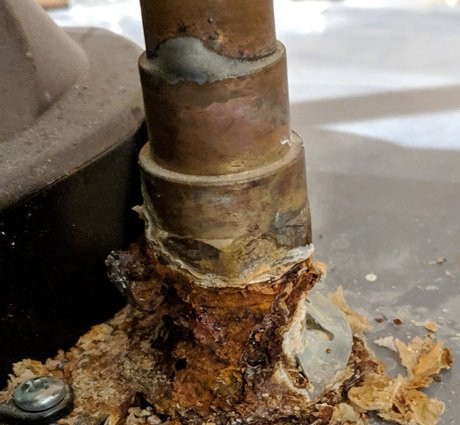
The appearance of rusty or discolored hot water can be alarming for homeowners. It often signals underlying issues that require attention. One primary cause of this discoloration is the corrosion of the water heater tank itself. Most water heaters are made of steel, which, when exposed to water, can corrode over time. The presence of rust particles from the tank can result in brown or reddish water, indicating that the integrity of the heater is compromised.
Another common cause is the deterioration of pipes within the plumbing system. Older homes are particularly prone to this issue, as aging pipes may develop rust and lose their protective linings. When these corroded pipes interact with hot water, they may leach rust into the supply, making the water appear discolored. Additionally, if there are recent changes in water temperature or pressure, the disturbance can mobilize sediment and rust deposits that have settled in the pipes, further affecting water quality.
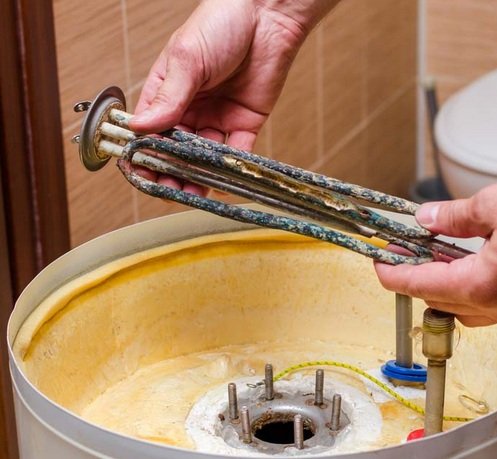
Sediment buildup in the water heater can also lead to discolored water. Over time, minerals, dirt, and other particles accumulate at the bottom of the tank, blocking the heating element and causing localized overheating. This process can create a reaction that produces rust and sediment churned into the hot water supply. The age of the water heater plays a critical role in these issues; older units are far more susceptible to rust and corrosion due to prolonged exposure to water and heat. Regular maintenance and timely replacement of aging water heaters can prevent these problems, enhancing water quality and overall safety.
The Health Risks Associated with Rusty Water
When homeowners encounter rusty or discolored hot water from their water heaters, it is essential to recognize the potential health risks that may arise. Consuming or using water tainted with rust can lead to a variety of serious health concerns that should not be overlooked.
Firstly, rust in water often indicates the presence of iron oxide, which, while not inherently harmful in small quantities, can attract other contaminants. The rusty particles may harbor harmful bacteria, such as Legionella, which can proliferate within the waters. Exposure to this bacterium can cause Legionnaires’ disease, a severe form of pneumonia that can be life-threatening, especially for individuals with weakened immune systems.
Moreover, discolored hot water may suggest the presence of lead, particularly if the pipes supplying this water are old and corroded. Lead is a toxic heavy metal that can leach into drinking water, posing significant health risks. Prolonged exposure to lead can result in developmental issues in children, cognitive impairments, and various other health concerns for adults, including hypertension and kidney damage.
In addition to bacteria and lead, there is a possibility of other toxic substances being present in rusty water. Chemical contaminants from household cleaning products, heavy metals, and sediments could be introduced through corrosion and degrade water quality. Consuming or using water containing these toxins can lead to gastrointestinal problems and other health complications.
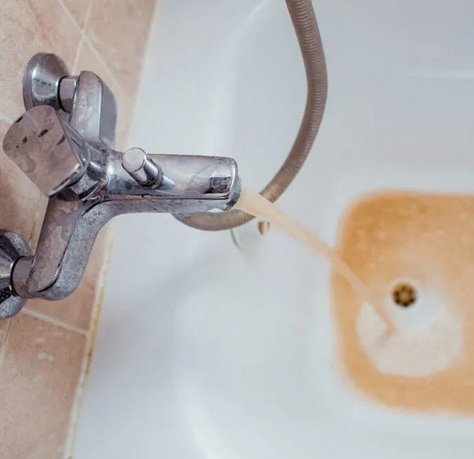
Given the various health risks associated with rusty or discolored water, it is crucial for homeowners to take immediate action. Regular maintenance of water heaters and prompt intervention upon observing any discoloration can mitigate the risk of exposure to these potentially dangerous substances. Ensuring safe water quality should always be a priority for health and well-being.
When homeowners encounter rusty or discolored hot water, it is crucial to take immediate action to diagnose and rectify the issue. The first step is to flush the water heater. This process involves connecting a garden hose to the drain valve located at the bottom of the heater. Ensure the water supply is turned off and open the drain valve to allow water to flow out. Flushing the heater helps remove sediment buildup that could contribute to the discoloration.
If flushing the water heater does not resolve the issue, or if the discolored water persists, it is advisable to contact a professional plumber. A licensed plumber can offer a comprehensive inspection of the water heater and assess its condition. They can identify potential problems such as a failing anode rod, which may lead to rust formation inside the tank, or verify if the issue stems from external sources, like old pipes.
During this process, homeowners should also check the quality of the incoming water supply. It is possible that municipal water sources could have temporary impurities due to maintenance or repairs. Running cold water from taps may help determine if the issue exists in other faucets around the house. Addressing discolored hot water promptly is essential, as it may not only affect water quality but can also signal more significant issues within the plumbing system.
Furthermore, regular maintenance of the water heater can prevent occurrences of rusty water. Schedule annual inspections and consider flushing the system periodically to eliminate sediment buildup. Proper care can enhance the lifespan of the heater and ensure a consistent supply of clean, clear hot water.
Preventative Measures for Maintaining Water Quality
Maintaining the water quality in your home is essential, especially when it comes to your hot water system. Implementing preventative measures can significantly reduce the risk of encountering rusty or discolored hot water from your water heater. One of the most effective strategies is to establish a regular maintenance schedule. Water heaters benefit from periodic inspections, which can identify early signs of deterioration or sediment buildup before they lead to serious issues.
A crucial aspect of this maintenance routine is flushing the tank. Over time, minerals and sediment can accumulate at the bottom of the water heater tank, leading to corrosion and potentially affecting the quality of the hot water. It is generally recommended to flush the tank at least once a year, although more frequent flushing may be necessary in areas with hard water. This process not only helps in removing sediment but also prolongs the lifespan of the water heater.
Another significant measure involves using water softeners. Hard water is known to contribute to mineral buildup inside water heaters, leading to discolored hot water and rust formation. By installing a water softener, homeowners can mitigate the effects of hard water, reducing mineral deposits. Softened water is less likely to cause corrosion in pipes and improves the overall functioning of your plumbing system.
In summary, regular maintenance, tank flushing, and using water softeners play a vital role in preventing rusty or discolored hot water. By adopting these practices, homeowners can ensure a cleaner, safer hot water supply while extending the longevity of their water heating systems.