Understanding Your Water Heater: Tank Size and Capacity Demystified
Understanding the size and capacity of your water heater is essential for several reasons. First and foremost, the correct sizing of a water heater directly influences the efficiency with which your hot water system operates. A unit that is either too small or too large for your household may lead to energy inefficiencies, resulting in higher utility bills. When your water heater is appropriately sized, it can heat adequate volumes of water without unnecessary excess, optimizing energy consumption.
Moreover, knowing the water heater size ensures that your household’s hot water demands are met consistently. Each household has unique needs depending on factors such as the number of residents and peak usage times. A properly sized water heater guarantees that there is sufficient hot water available for everyday activities, such as bathing, washing dishes, and laundry. If the capacity of the water heater is insufficient, users may experience lukewarm showers or delays in receiving hot water, which can make daily routines inconvenient.
Additionally, understanding water heater dimensions plays a critical role in maintenance and longevity. Appliances that are correctly sized tend to have better performance and a longer lifecycle, as they are not subjected to the stress caused by frequent cycling on and off. Conversely, oversized units may cycle less frequently but at a higher intensity, which can accelerate wear and tear, leading to premature failures.
In summary, knowledge of your water heater’s size is crucial for maximizing energy efficiency, ensuring a steady supply of hot water, and promoting the longevity of the appliance. Correct sizing can deliver enhanced performance, satisfying your household’s requirements and leading to significant cost savings in the long run.
How to Measure Your Water Heater Tank Size
Measuring your water heater tank size is a straightforward process that can greatly assist in understanding your household’s hot water needs. To ensure accuracy, specific dimensions must be captured using a measuring tape. Begin by measuring the height of the tank. Stand the tape at the base of the water heater and extend it straight up to the top. This height measurement will typically be represented in inches or centimeters, depending on your preference.
Next, measure the diameter of the tank. This is done by measuring the widest part of the tank—the circumference around its midsection. Place the tape around the tank and note the measurement. To find the diameter, you can divide the circumference by π (approximately 3.14), or use a caliper for a more precise reading.
The final component to gauge is the capacity of the tank, which is usually given in gallons or liters. Many water heaters indicate their capacity directly on the manufacturer’s label, typically found on the upper part or side of the tank. If this is not visible, you can calculate the volume by using the height and diameter measurements. For a cylindrical tank, use the formula:
- Volume (in gallons) = (π × (diameter/2)² × height) / 231
While measuring, be cautious of common mistakes. Ensure that the measuring tape is taut and straight to avoid errors in your readings. Additionally, always make sure to record your measurements carefully. Misjudgments in size can lead to incorrect assessments of your water heater’s capacity and performance.
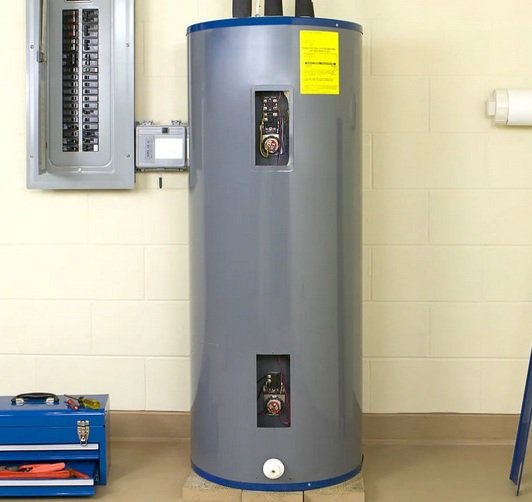
Understanding Water Heater Capacity Requirements
When it comes to finding the appropriate water heater capacity for your home, it is essential to consider your household’s specific needs and water usage patterns. The capacity of a water heater, measured in gallons, dictates how much hot water can be supplied at one time, directly impacting household convenience and comfort. Understanding water heater capacity requirements is critical to ensuring that your family has sufficient hot water for daily activities without running out during peak usage times.
To determine the appropriate water heater size, one must consider factors such as family size, frequency of hot water use, and the types of appliances that rely on hot water. For example, a household of two may require a water heater with a capacity ranging from 20 to 30 gallons, sufficient for basic needs such as bathing and dishwashing. Conversely, families with five or more members may require larger capacities, typically between 50 to 80 gallons, to accommodate simultaneous activities like laundry, showers, and using a dishwasher.
The timing and pattern of water usage also play a significant role. For instance, if multiple family members take showers during the morning rush, a larger capacity may be necessary to ensure everyone has hot water. Additionally, major appliances that utilize hot water, like washing machines and dishwashers, add to the overall demand. By taking all these factors into account, homeowners can make informed decisions regarding their water heater size, optimizing hot water availability while avoiding unnecessary energy consumption.
Overall, understanding your water heater capacity requirements will empower you to choose the right system that meets your household’s heat and hot water needs effectively, ensuring that you maintain comfort throughout the year.
Upgrading Your Water Heater: What to Consider
When contemplating the replacement or upgrade of your water heater, several critical factors must be taken into account to ensure optimal performance and energy efficiency. The first step is to assess the current performance of your existing unit. If your water heater is providing inconsistent hot water, exhibits frequent breakdowns, or is over a decade old, these may be strong indicators that it’s time for a replacement.
One essential component is the energy efficiency rating of the new appliance. Modern water heaters are designed with improved technology, resulting in better energy efficiency compared to older models. Look for water heaters with high Energy Factor (EF) ratings; these units consume less energy, leading to lowered utility bills and a reduced environmental footprint.
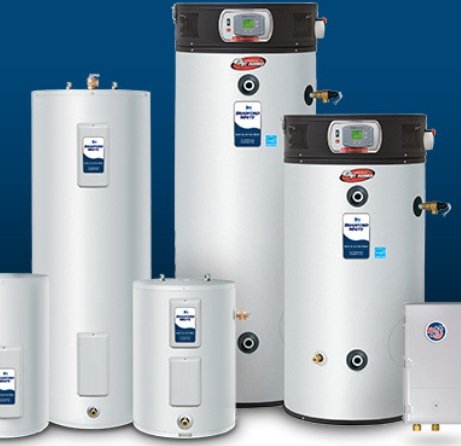
The size of the water heater is another crucial consideration. An improperly sized unit can lead to inadequate hot water supply or unnecessary energy consumption. It’s important to select a unit that meets your household’s demands based on the number of occupants and typical usage patterns. For larger households, larger tank capacities may be necessary, whereas smaller families might benefit from standard-sized tanks.
Another option worth considering is the installation of a tankless water heater. Unlike traditional tank models, tankless heaters provide hot water on demand, eliminating the need for a storage tank. This can result in a significant reduction in energy use, as these units only heat water when it is needed. However, it is important to evaluate the demands of your home to ensure that a tankless unit can meet your needs effectively.
In conclusion, upgrading your water heater entails a thoughtful evaluation of your current unit’s performance, energy efficiency, and properly sizing the new model to meet your hot water requirements. Additionally, consider the advantages of adopting a tankless system, which may offer a more efficient solution for certain households.