The Hidden Costs of High Water Heater Temperatures: Energy Waste and Efficiency Tips
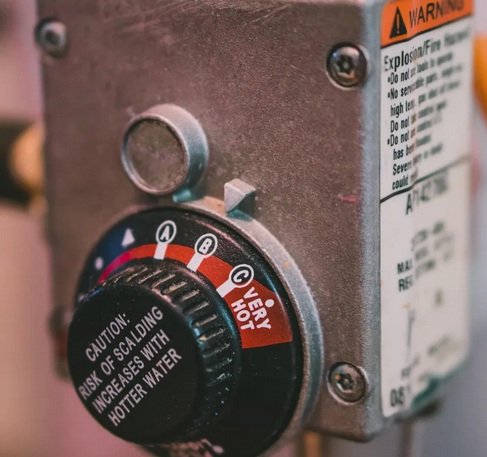
Water heater temperature settings play a crucial role in both efficiency and safety for households. The widely recommended temperature is around 120°F (49°C). This setting provides a balance between ensuring an adequate supply of hot water for daily activities and minimizing risks associated with high temperatures. Maintaining this temperature can effectively prevent potential hazards such as scalding, especially for children and the elderly, who are more susceptible to burns from hot water.
When water heaters are set above this recommended level, the risk of burns increases significantly. Water temperatures at or above 140°F (60°C) can cause severe scalding in just a few seconds, making it essential for households to adhere to safer settings. Additionally, hotter water may not provide significant benefits compared to the risks associated with it.
Beyond safety, higher temperature settings can lead to increased energy consumption. Water heaters work harder to maintain elevated temperatures, resulting in higher utility bills each month. According to energy experts, lowering the temperature to 120°F (49°C) can lead to energy savings of about 10% annually. Furthermore, operating water heaters at lower temperatures may prolong the lifespan of the unit since it reduces wear and tear caused by the thermal stress of excessive heat.
In conclusion, setting your water heater to the recommended temperature of 120°F (49°C) is advisable for optimal comfort and safety. This practice not only enhances household safety by mitigating the risk of scalding but also contributes positively to energy efficiency, reflecting a responsible approach to energy consumption and management in the home.
The Energy Waste of High Temperature Settings
Setting a water heater to excessively high temperatures not only compromises safety but also leads to significant energy waste. Typically, water heaters are most efficient when set between 120°F and 140°F. However, temperatures above this range result in increased energy consumption, as the unit must work harder to maintain the elevated heat level. This energy waste directly reflects on utility bills; homeowners may find their monthly expenses soaring due to the unnecessary energy consumption.
Moreover, the environmental impact associated with high water heater temperatures cannot be overlooked. Higher energy usage contributes to an increased carbon footprint, particularly in regions where electricity is generated from fossil fuels. By using excessive energy to heat water, homeowners inadvertently contribute to greenhouse gas emissions, playing a part in broader climate change issues. Consequently, adopting more efficient practices can significantly alleviate some of these environmental burdens.
In addition to the financial and ecological ramifications, maintaining high temperatures can also lead to the premature wear and tear of water heater components. Continuous operation at elevated temperatures can strain the heating elements and other internal parts, potentially leading to more frequent repairs or even necessitating a complete replacement. This scenario not only increases the direct costs associated with maintenance but also compounds the energy waste due to the additional demand placed on the unit during its lifespan.
Thus, it’s prudent for homeowners to regularly review their water heater temperature settings. By understanding the ramifications of high temperature settings, not only can one save on energy bills but also contribute positively to environmental sustainability while extending the lifespan of their water heater.
Practical Tips for Efficient Water Heater Use
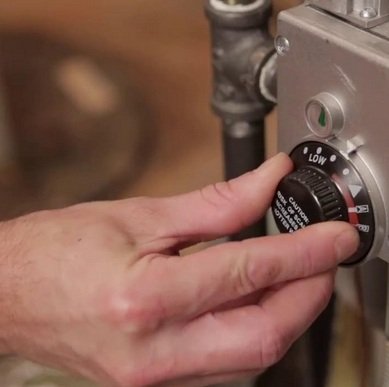
Maintaining an efficient water heater is essential not only for reducing energy costs but also for enhancing the longevity of the unit. One of the first steps in achieving optimal performance is adjusting the temperature settings. The recommended temperature for most water heaters is 120 degrees Fahrenheit. At this temperature, the water is adequately hot for domestic use while significantly reducing the risk of scalding and limiting energy waste.
Regular maintenance practices are equally important for the efficient operation of water heaters. This includes periodically flushing the tank to remove sediment buildup, which can hinder efficiency and lead to overheating. It is advisable to check the anode rod every 1-2 years and replace it if necessary. A functioning anode rod prevents corrosion, extending the lifespan of the heater.
Another critical aspect of water heater efficiency is the insulation of hot water pipes. Proper insulation can minimize heat loss as the hot water travels from the heater to the faucet, keeping the water consistently warm and reducing the need for additional heating. This practice not only improves efficiency but also enhances the overall comfort of hot water usage.
Incorporating smart technology can further optimize the operation of water heaters. Utilizing timers or smart thermostats allows homeowners to schedule heating times based on usage patterns, ensuring that hot water is available when needed without maintaining high temperatures throughout the day. This automated approach leads to lower energy consumption and improved efficiency.
By following these practical tips—adjusting temperature settings, performing regular maintenance, insulating hot water pipes, and using smart technology—homeowners can maximize the efficiency of their water heaters, reduce energy waste, and lower utility bills over time.
The Long-Term Benefits of Proper Water Heater Management
Maintaining appropriate water heater temperatures is essential not only for immediate functionality but also for long-term benefits that can significantly affect both household budgets and environmental impact. One of the primary advantages of managing water heater temperatures is the potential for substantial energy savings. By simply lowering the thermostat to a recommended setting of around 120°F (49°C), households can reduce energy consumption substantially. This change can lead to a considerable decrease in energy bills over time, enhancing financial sustainability for families.
Another vital benefit of managing water heater temperatures is the increased lifespan of the appliance. High temperatures can cause stress on the heating elements and other components, leading to premature wear and tear. Conversely, maintaining a moderate temperature helps to extend the water heater’s life, which means less frequent replacements and a lower overall cost of ownership. This is particularly important when considering the cumulative costs of purchase, installation, and maintenance over the years.
Safety is another critical factor linked to proper water heater management. Excessively high water temperatures pose a risk of scalding, especially for vulnerable individuals such as young children and the elderly. Setting the water heater to an appropriate temperature not only minimizes these risks but also promotes a safer household environment.
Lastly, by optimizing water heater settings, households contribute to environmental sustainability. Lower energy consumption translates into reduced greenhouse gas emissions, thereby decreasing the overall carbon footprint. This aligns with more extensive efforts toward environmental conservation and energy efficiency, which are vital for the preservation of natural resources.