The Importance of Scheduling Professional Water Heater Inspections Every 1–2 Years
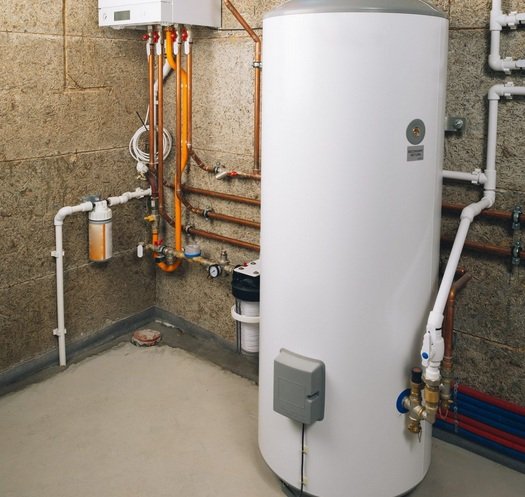
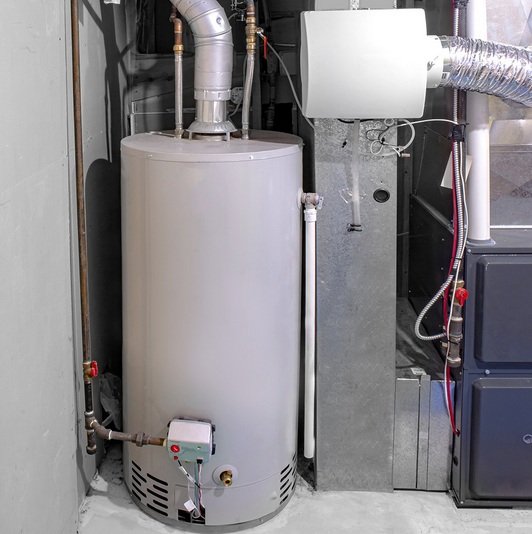
Water heater inspections play a crucial role in maintaining the functionality and safety of your home’s hot water supply system. These assessments are typically recommended every one to two years to ensure that the water heater operates efficiently and remains free from significant issues. A professional inspection involves a thorough evaluation of various components, thus preventing minor issues from escalating into costly repairs or replacements.
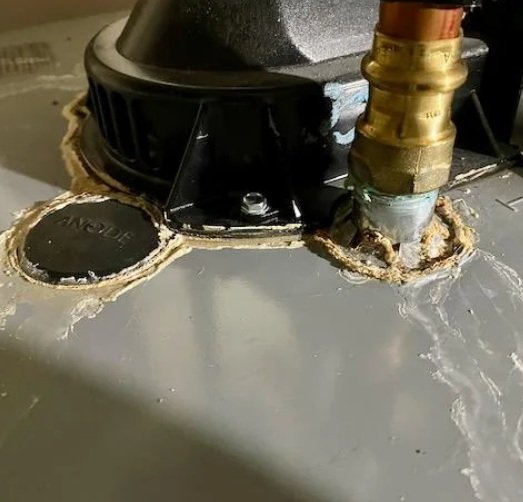
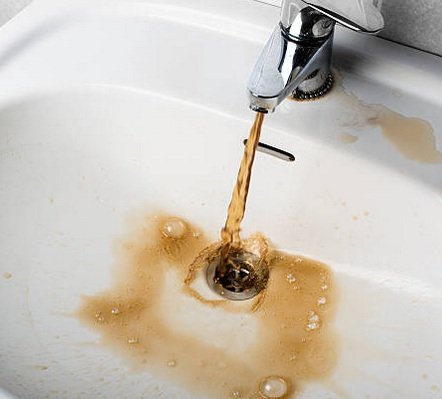
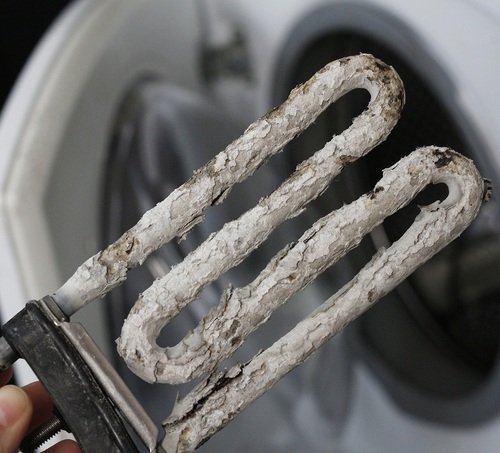
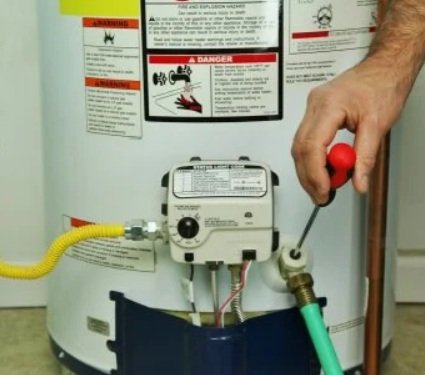
During a water heater inspection, professionals examine several key elements, including the pressure relief valve, which is essential for preventing excess pressure buildup. Inspectors focus on safety features to ensure that your unit is adhering to local codes and standards. They will also assess the overall efficiency of the system, identifying signs that may indicate decreased performance, such as rust or sediment buildup in the tank. Additionally, corrosion is a major concern; allowing it to go unchecked can lead to leaks and potential water damage.
Another critical aspect of these inspections is checking for proper insulation and ensuring that the unit is functioning within its designed parameters. The efficiency levels of the heater significantly affect energy consumption, which can result in increased utility bills if not addressed. Regular assessments aim to identify any inefficiencies early on, allowing homeowners to make informed decisions regarding maintenance or upgrades.
In effect, scheduling regular water heater inspections not only prolongs the lifespan of the unit but also enhances the performance of your water heating system. By investing time and resources into these evaluations, homeowners can enjoy improved reliability and peace of mind knowing their hot water supply is safe and efficient.
Benefits of Regular Professional Inspections
Scheduling professional water heater inspections every 1–2 years is crucial for the long-term performance and reliability of the unit. One of the primary benefits is the prevention of costly repairs. Regular inspections allow technicians to identify potential issues before they escalate into significant problems, saving homeowners from unexpected expenses. Early detection of wear and tear can lead to minor repairs rather than the need for complete system replacements, which are not only pricey but also inconvenient.
Moreover, these inspections contribute to improved energy efficiency. A well-maintained water heater operates more effectively, which can lead to lower utility bills. The technician will check for sediment buildup and other issues that can hinder performance, ensuring the system runs at its optimal level. Homeowners can enjoy both comfort and savings when their water heaters are functioning efficiently.
Safety is another paramount concern, and regular professional inspections help to uphold safety standards. Water heaters can pose risks such as leaks, fires, and even explosions if not properly maintained. Inspections provide an opportunity to address any safety hazards comprehensively, thus safeguarding the household and ensuring peace of mind.
Furthermore, maintaining a consistent inspection schedule is essential for preserving warranty coverage. Many manufacturers require homeowners to perform regular maintenance as a part of the warranty agreement. Failing to do so can void the warranty, leaving homeowners responsible for repairs that could have otherwise been covered.
In addition, regular inspections can significantly reduce the likelihood of emergency breakdowns, which often occur without warning and can disrupt daily life. By proactively addressing maintenance needs, homeowners can avoid the stress and inconvenience of sudden plumbing emergencies. Ultimately, scheduling professional water heater inspections fosters a sense of reliability, confidence, and tranquility for homeowners, ensuring that their water heating systems remain functional, effective, and safe.
Signs Your Water Heater Needs Immediate Attention
Water heaters are essential appliances in any home, providing the necessary hot water for showers, cleaning, and cooking. However, it is crucial for homeowners to recognize when their water heater requires urgent attention beyond the typical inspection timeline of every 1-2 years. There are several warning signs to look out for, which can indicate underlying issues that could lead to more severe problems if left unaddressed.
One of the most common signs of a malfunctioning water heater is the presence of unusual noises. If you detect clanging, popping, or hissing sounds coming from your water heater, it may signal sediment buildup inside the tank or other mechanical failures. Such disturbances typically warrant immediate inspection to prevent a sudden breakdown or even potential leaks.
In addition to noises, inconsistent water temperatures can be a telltale sign of trouble. If you experience fluctuating water temperatures, where hot water is suddenly replaced by lukewarm or cold water, it could indicate an issue with the thermostat or heating elements. Inconsistent performance often calls for a professional assessment sooner than your regular checkup.
Leaks around the base of the water heater or noticeable damp patches on the floor may also suggest a leak within the unit. A leak, whether it is minor or significant, can lead to substantial water damage if not attended to promptly. Homeowners should not ignore any signs of water pooling around the appliance.
Lastly, rust or corrosion on the exterior of the water heater is a cause for concern. The presence of reddish-brown discoloration indicates deterioration and could potentially compromise the integrity of the tank. This condition necessitates immediate evaluation by a licensed professional.
Choosing a Qualified Professional for Water Heater Inspections
When it comes to scheduling water heater inspections, selecting the right professional is crucial for ensuring safety and optimal performance. Homeowners should begin the process by examining the credentials of prospective technicians. A qualified professional should possess relevant certifications and licenses, demonstrating their expertise in handling different types of water heaters. Make sure they have specialized training that aligns with the specific model of your system.
Reading online reviews can provide valuable insights into the quality of service offered by various professionals. Websites such as Yelp or Angie’s List often host genuine feedback from previous clients. Pay attention not only to the ratings but also to the detailed comments regarding punctuality, professionalism, and the thoroughness of their work. High-quality reviews can be a significant indicator of a technician’s reliability and competence.
Furthermore, understanding the pricing structures is essential. Some professionals may charge a flat rate, while others bill by the hour. Request multiple quotes to compare not only the costs but also the services included. Be wary of prices that seem too low, as they may reflect a lack of thoroughness or experience. Opting for a slightly higher fee may afford you peace of mind and longer-term value through quality service.
Lastly, seeking recommendations from trusted sources such as friends, family, or local community groups can help in identifying dependable professionals. These firsthand accounts offer a level of trust and can streamline your search process significantly. By compiling this information, homeowners can make informed decisions, ultimately ensuring that their water heater inspections are carried out by skilled technicians.