Understanding the Popping and Rumbling Sounds of Your Water Heater: A Sign of Sediment Buildup
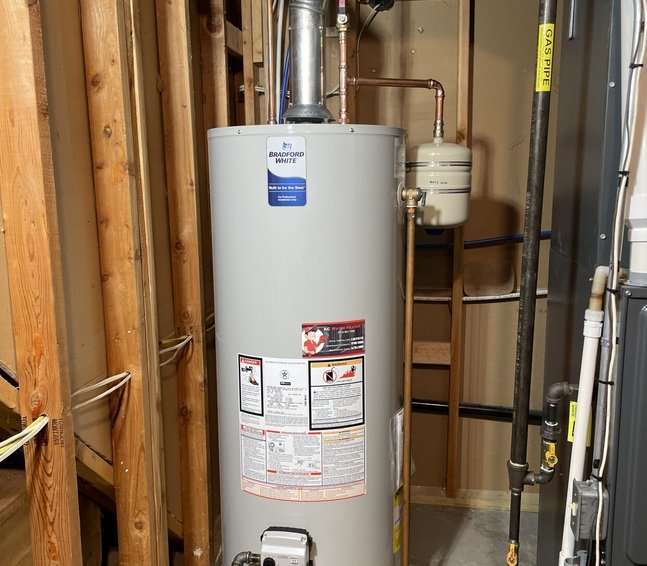
Water heaters, essential appliances in many households, can sometimes produce unexpected sounds, raising concerns about their performance. Among the various noises a water heater may emit, popping and rumbling sounds are particularly common and can be indicative of underlying issues. Understanding these noises is crucial for homeowners, as they often signify the need for maintenance or repair.
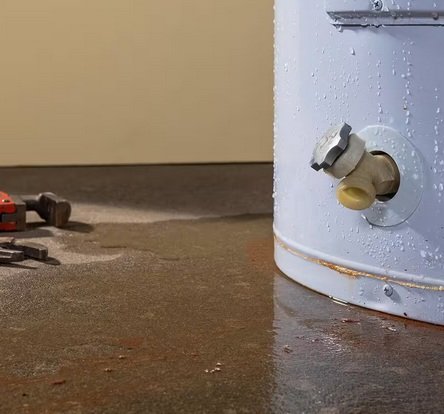
Popping sounds in a water heater typically occur when sediment builds up in the tank. Over time, minerals such as calcium and magnesium from the water can settle at the bottom of the tank, creating a layer of sediment. As the water heater heats the water, the trapped heat underneath the sediment causes bubbles to form and subsequently burst, resulting in the characteristic popping noise. This process not only generates noise but can also lead to diminished efficiency and lifespan of the appliance.
Rumbling sounds, on the other hand, may indicate the presence of larger deposits of sediment that can impact the water heater’s operation significantly. When these deposits are subjected to the heating process, they can cause vibrations and resonant sounds throughout the tank. Ignoring these noises may lead to more severe complications, including the risk of overheating or a complete breakdown.
Maintaining a quiet and efficient water heater is essential for both safety and comfort in the home. Regular maintenance, including draining and flushing the tank to remove sediment buildup, can prevent these noise-related issues and promote the longevity of the unit. Homeowners should thus remain attentive to these sounds as they may serve as vital indicators of the water heater’s health and need for upkeep.
Identifying Sediment Buildup
Sediment buildup in water heaters is a common issue that can affect their efficiency and longevity. Sediment primarily consists of minerals, such as calcium and magnesium, which are prevalent in hard water, as well as debris and other particulate matter. Over time, these elements accumulate at the bottom of the tank, forming a layer of sludge that can interfere with the proper operation of the unit.
In areas with hard water, where the mineral content is significantly high, the chances of sediment accumulation in water heaters can be considerably increased. The heating element’s constant exposure to these minerals exacerbates the problem, leading to the formation of sediment over time. Additionally, other contributing factors include inconsistent water temperatures or not fully flushing the heater on a regular basis, which can promote sediment buildup.
Homeowners can look for specific symptoms and signs that indicate the presence of sediment in their water heaters. If you start hearing unusual popping, rumbling, or gurgling sounds emanating from the heater, that may suggest that sediment has settled and is affecting the heating process. Other signs include fluctuating water temperatures, decreased hot water availability, or even a discolored or foul-smelling water supply. These indicators can help in identifying whether sediment buildup is a problem that requires immediate attention.
The Consequences of Ignoring Sediment Buildup
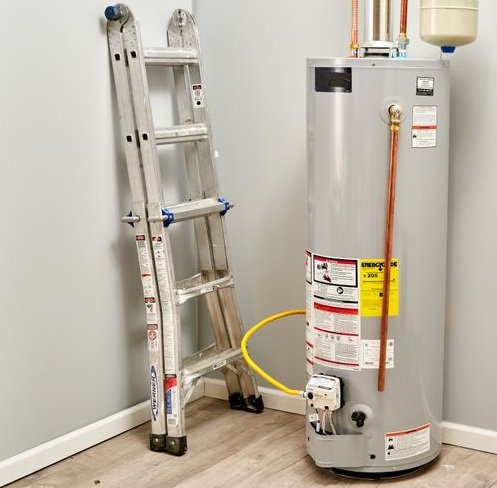
Ignoring the popping or rumbling sounds emanating from your water heater often correlates with sediment buildup. This accumulation can lead to a range of significant consequences that can compromise both system efficiency and safety.
Firstly, sediment buildup severely hampers the efficiency of your water heater. As sediment deposits accumulate at the bottom of the tank, they create a barrier between the heating element and the water. Consequently, the heating element must work harder to heat the water, resulting in decreased efficiency and a strain on the system. This can lead to an increase in energy consumption, which subsequently drives up energy bills. Homeowners may find themselves facing unexpectedly high costs as their water heaters labor to produce hot water.
Beyond energy efficiency, neglecting sediment buildup can precipitate more severe consequences, including the potential for irreversible damage to your water heater. Prolonged exposure to sediment can result in overheating and pressure build-up, leading to leaks or even tank rupture. Such failures not only result in costly repairs but may also necessitate the complete replacement of the unit, which represents a significant financial burden.
Furthermore, sediment buildup can negatively impact water quality and safety. The dislodged sediment can contaminate the hot water supply, leading to undesirable taste, odor, or cloudiness in the water. This can raise health concerns, particularly for those with compromised immune systems. Ensuring that regular maintenance is conducted can mitigate these risks and enhance the longevity of the water heater.
In summation, the consequences of ignoring the signs of sediment buildup are multifaceted, encompassing increased energy costs, risk of system failure, and potential health hazards. Regular inspection and maintenance are key to ensuring that your water heater operates efficiently and remains safe for use.
Preventative Maintenance and Solutions
Proper maintenance of your water heater is crucial in minimizing the risk of sediment buildup, which can lead to the disturbing popping and rumbling sounds indicative of issues within the tank. One of the most effective preventative measures is to flush the tank regularly, ideally every six months to a year. This process removes accumulated mineral deposits, thereby improving the efficiency of your water heater and extending its lifespan. Homeowners can undertake this task themselves or hire a professional service, depending on their comfort level with home maintenance tasks.
Additionally, using a water softener can significantly reduce the hardness of the water entering your home. Hard water is rich in minerals such as calcium and magnesium, which contribute to sediment formation in the tank. A water softener helps to minimize scale buildup, ensuring your water heater operates more efficiently and quietly. It’s important for homeowners to consider their local water quality, as areas with higher mineral content would benefit more significantly from this installation.
Monitoring your water quality regularly is another proactive measure. Homeowners should test for hardness levels and other impurities that may affect their water heater’s performance. By being informed about your water’s condition, you can take timely action to avert sediment issues before they escalate.
Despite these preventative efforts, there may come a time when professional assistance is needed. If you consistently hear unusual noises or notice performance changes, calling a licensed plumber is advisable. Qualified plumbers can conduct thorough assessments, clean the system effectively, and provide solutions tailored to your specific requirements. Regular maintenance checks by professionals not only address existing issues but also prevent future complications, ensuring that your water heater remains in optimal working condition.