The Importance of Monthly Leak Checks for Your Water Heater
A water heater is a vital appliance found in most homes, responsible for providing hot water for various domestic purposes such as bathing, cooking, and cleaning. The function of a water heater is to heat and store water, making it readily available for use whenever necessary. This essential device ensures that households maintain a comfortable living environment, especially during colder months when access to warm water becomes increasingly important.
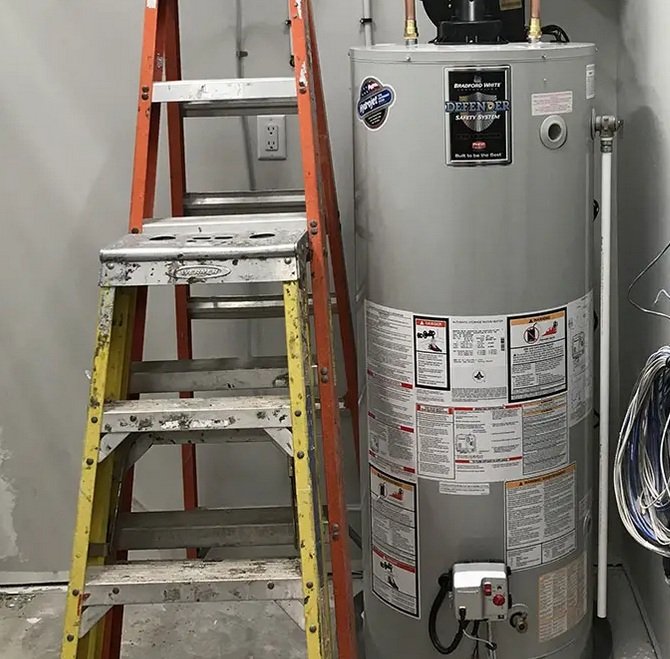
Water heaters are commonly classified into two main types: tank water heaters and tankless water heaters. Tank water heaters are the traditional models that store a certain volume of heated water in a tank, which can range in capacity from 20 to over 80 gallons. These heaters continuously maintain the water temperature, providing a supply of hot water whenever it is needed. Although they can be more affordable to purchase initially, their continuous energy consumption may result in higher utility bills over time.
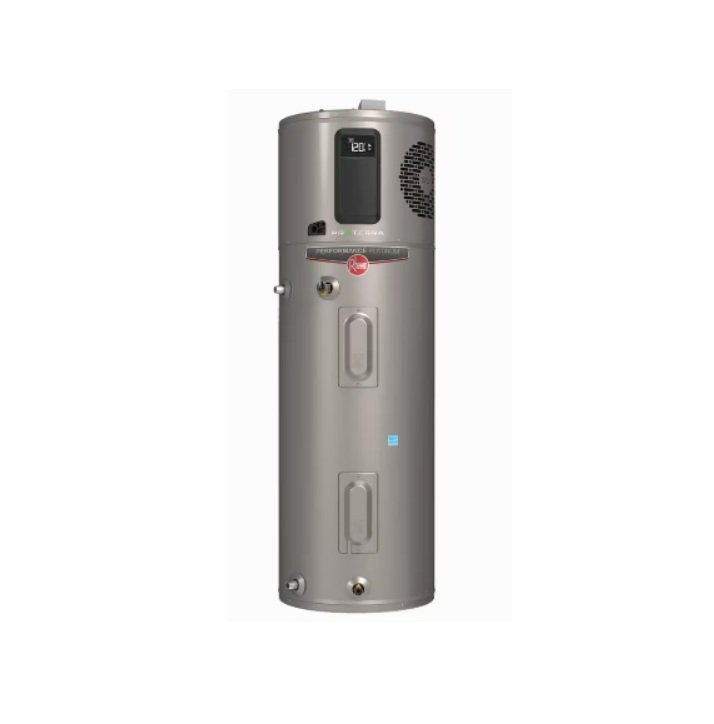
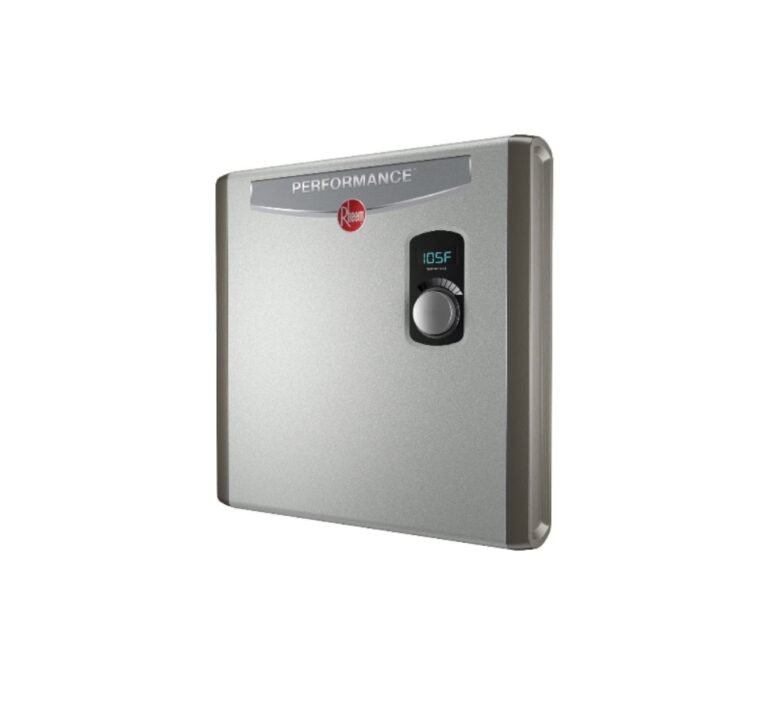
In contrast, tankless water heaters, also known as on-demand water heaters, heat water directly as it flows through the unit. This means that there is no need for a storage tank, allowing for a more efficient use of energy and potentially lower operational costs. Tankless models typically provide a continuous flow of hot water, making them ideal for larger households or for homes where multiple hot water sources are used simultaneously.
Understanding the different types of water heaters and their operational principles is fundamental for homeowners. Each system has its unique advantages and disadvantages that can impact overall energy efficiency and cost. By recognizing these factors, homeowners can make informed decisions regarding installation, maintenance, and, importantly, the frequency of leak checks to safeguard this essential appliance.
Why Checking for Leaks is Crucial
Neglecting regular leak checks for your water heater can lead to a range of serious consequences that may significantly affect both your home and finances. One of the most immediate risks of an unchecked leak is substantial water damage, which can compromise the structural integrity of your home. According to the Insurance Institute for Business & Home Safety, nearly 25% of home insurance claims are attributed to water damage, highlighting the frequency and potential severity of such incidents.
Moreover, small leaks may start as minor inconveniences but can escalate into major issues over time. Even a minor leak can waste approximately 20 gallons of water a day, further increasing your utility bills. Studies show that even the smallest of leaks can cause your water costs to spike by as much as 10% annually. This kind of financial strain can be easily avoided through routine maintenance and vigilance.
In addition to financial implications, unchecked leaks promote moisture accumulation, which can lead to mold growth. Mold thrives in damp environments, and a water heater leak can create the perfect conditions for its development. Mold poses serious health risks, particularly for individuals with respiratory issues and allergies. The CDC states that exposure to mold can lead to various health problems, making early detection and remediation critical.
In essence, conducting routine leak checks on your water heater is not merely a precaution; it is a vital practice that can help prevent considerable damage to your property and health risks to your family. By prioritizing these maintenance checks, homeowners can ensure both safety and savings in the long run.
How to Perform a Monthly Leak Check
Conducting a monthly leak check on your water heater is a pivotal practice for homeowners, as it helps identify potential issues before they escalate. To begin, ensure safety by turning off the power supply or gas to the water heater according to its type.
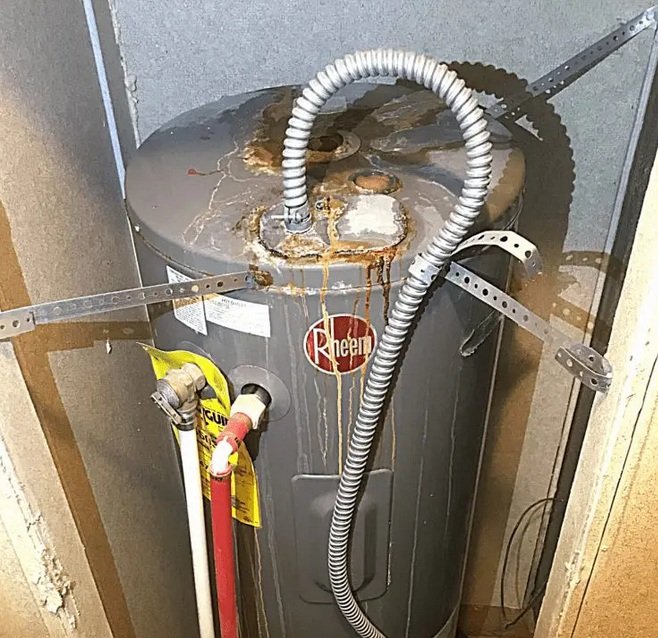
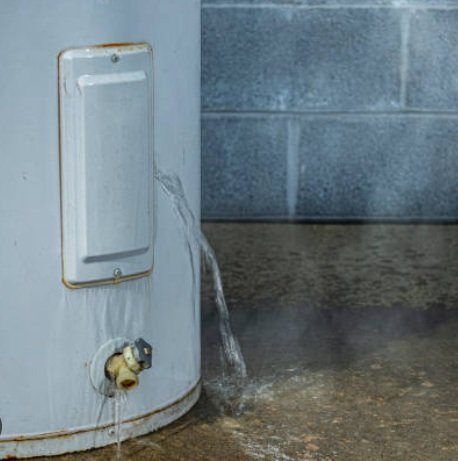
Start your inspection at the base of the water heater. Look for signs of pooling water or dampness in the surrounding area, which can indicate leaks. Pay particular attention to the floor beneath and around the unit. Any moisture can be a red flag requiring immediate attention. Additionally, inspect the walls and floor for signs of discoloration or water stains that could signal a leak from the tank itself.
Next, examine the water heater tank closely. Look for rust, corrosion, or discoloration, especially around the valves and fittings. If you observe any of these signs, it may indicate a developing leak. It is critical to also check the temperature and pressure relief valve, as a malfunctioning valve can lead to leakage. You can test this by lifting the lever to observe if any water drips from the pipe; if it does, the valve may need replacing.
After inspecting the tank, take a moment to observe any connecting pipes. Verify that there are no visible leaks, and that the fittings are tight. Should you find any issues, immediately address them by tightening fittings or consulting a professional plumber if necessary.
Lastly, document any findings to monitor changes over time. Regularly assessing your water heater not only ensures early detection of leaks but also promotes the longevity of your water heating system.
What to Do if You Discover a Leak
When you discover a leak in your water heater, immediate action is critical to prevent further damage. The first step involves turning off the water supply to the heater. Most water heaters have a shut-off valve located directly on the cold water line. By closing this valve, you can minimize water flow and control the leak until repairs are made.
After securing the water supply, check the source of the leak. If the leak is minor and manageable, you may attempt to contain the water using towels or a bucket. However, if the leak appears to be substantial, it is advisable to turn off the power supply to the water heater, especially if it is electric. This action can prevent potential electrical hazards caused by water exposure.
Once these immediate measures are taken, it is essential to assess the situation to determine whether a professional plumber is necessary. A small leak originating from a valve or fitting might be an easy fix, whereas leaks from the tank itself often indicate a more severe issue, requiring expert intervention. If you’re uncertain about the extent of the problem, contacting a qualified plumbing professional is the safest option.
In addition to immediate actions, implementing preventative measures is crucial to avoiding future leaks. Regular maintenance, including monthly leak checks, can identify issues before they escalate. Inspecting for corrosion, checking the integrity of the connectors and fittings, and draining the tank periodically to remove sediment can prolong the life of your water heater. Enlisting the services of a qualified technician for annual inspections can also be beneficial in ensuring your heater remains in optimal condition.