Signs Your Water Needs Filtration at Home

Water quality refers to the physical, chemical, and biological characteristics of water, which determine its suitability for various uses, including drinking, cooking, and bathing. Maintaining clean and safe drinking water is paramount, as contaminated water can pose serious health risks. It is essential to understand the various factors affecting water quality to make informed decisions about necessary filtration methods.
Common contaminants found in tap water include sediments, chlorine, heavy metals, and bacteria. Sediments, such as sand, silt, and other particles, can lead to murky water, while chlorine, typically added to municipal water supplies for disinfection, may create an unpleasant taste or odor and contribute to other chemical changes. Heavy metals, like lead and mercury, can enter the water supply from plumbing systems or industrial activities, and prolonged exposure to these substances can have detrimental health effects. Additionally, bacteria and viruses can contaminate water, resulting in illnesses if ingested.
To ensure your water meets safety standards, regular water testing is crucial. Water testing involves analyzing a water sample to identify any harmful contaminants beyond acceptable levels. This process can reveal hidden issues that may not be immediately noticeable, such as the presence of specific heavy metals or harmful bacteria. Various home testing kits are available, or homeowners can opt for professional services for a more comprehensive analysis. By understanding the importance of water quality and proactively testing your water, you can effectively determine whether filtration is necessary to protect your health and well-being.
Visual Indicators of Poor Water Quality
Water quality plays a crucial role in ensuring the health and safety of your household. One of the initial steps in determining whether your water needs filtration is to observe its visual characteristics. Various signs can indicate that your water may be compromised, necessitating further analysis and possible filtration solutions.
One of the primary visual indicators is discoloration. Water that appears brown, yellow, or even green can suggest that it contains sediment, rust, or algae. Brown water often results from iron and manganese particles, which can accumulate in older plumbing systems or be naturally present in well water. Meanwhile, yellow or green tint might suggest the presence of organic materials or biological growth. Such alterations in color should not be overlooked, as they could indicate contamination.
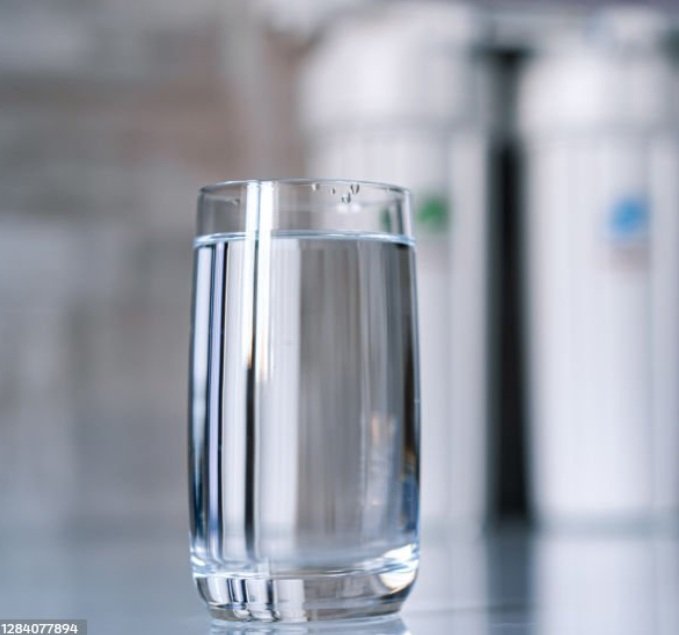
Another important visual sign is cloudiness. Clear water is typically a sign of good quality, while cloudy or murky water can denote the presence of suspended solids, which might include dirt, silt, or bacteria. If water appears cloudy, it may indicate that it contains contaminants that could pose health risks. It is important to consider the cause of the cloudiness; sir, water that is cloudy due to excess minerals may require a different filtration approach than water that is clouded by biological matter.
Lastly, the presence of floating particles is another indicator of poor water quality. If you observe debris such as sediments, fibers, or other materials, this could signify that your water source is contaminated. These particles can originate from various sources, including aging pipes or organic matter breaking down in the water supply. Addressing these visual indicators promptly can aid in maintaining safe and clean drinking water in your home.
Taste and Smell Testing for Water Quality
The taste and smell of water are essential indicators of its quality and can reveal underlying issues that may necessitate the installation of a water filtration system. While color and clarity are easily observable, sensory changes in taste and odor are often less noticeable but equally important.
A metallic taste in water can suggest the presence of iron, copper, or other heavy metals, which could be harmful. Bitter notes might be a sign of contaminants like algae or certain chemicals that have entered the water supply. Consumers should be vigilant about these unusual taste profiles, as they can indicate serious water quality concerns. For instance, if your water has an unpleasant or metallic aftertaste, it might be prudent to consider water testing and potential filtration solutions.
In addition to taste, the smell of water is another critical factor to assess. A common indicator of water quality problems is a sulfur-like odor, reminiscent of rotten eggs. This smell generally indicates the presence of hydrogen sulfide, which can originate from natural deposits or bacterial activity in the water. Furthermore, the scent of chlorine may suggest that municipal water supplies are heavily treated. Although this is often seen as a necessary disinfectant, excessive chlorine can lead to negative health effects and undesirable taste sensations.
It is recommended that consumers routinely check these sensory qualities of their water. If any unusual tastes or odors are detected, it may indicate contamination or imbalances within the water supply. In such cases, exploring water filtration options becomes imperative not only for enhancing taste and smell but also for ensuring overall safety and health.
Health Implications and Benefits of Filtration
Drinking unfiltered water can expose individuals to a wide range of harmful contaminants, including bacteria, heavy metals, and chemical pollutants. These contaminants can lead to significant health issues, such as gastrointestinal disorders, reproductive problems, and chronic diseases. For instance, the presence of lead in drinking water has been associated with developmental issues in children, highlighting the critical importance of ensuring water purity.
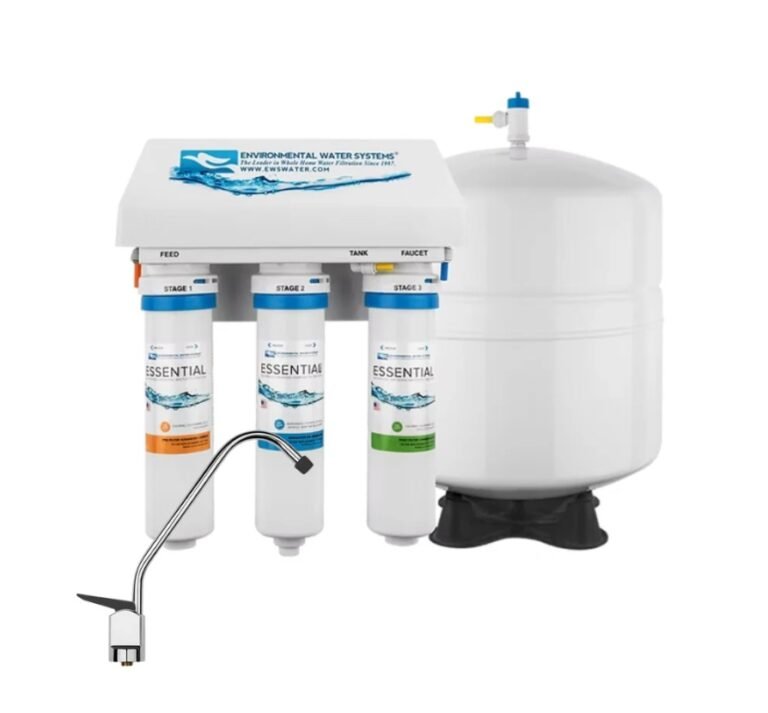
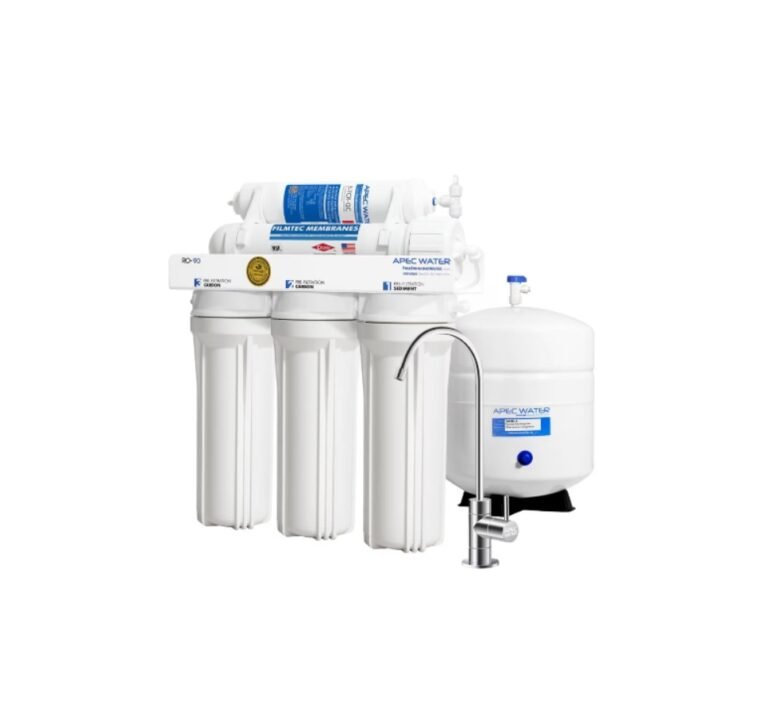
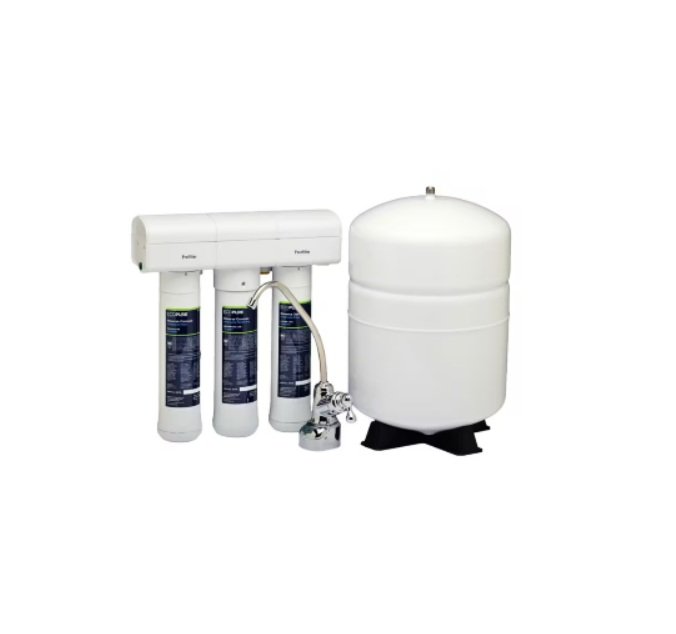
To mitigate these health risks, implementing a water filtration system at home is essential. A quality filtration system can effectively remove many of the hazardous substances present in tap water, thus enhancing safety for all household members. Moreover, filtration can improve the overall taste and odor of water, making it more palatable for everyday consumption.
In addition to health benefits, installing a filtration system can lead to considerable cost savings. Many households rely on bottled water, which can be expensive and environmentally unsustainable. By investing in a filtration system, families not only reduce their reliance on single-use plastic bottles but also minimize expenses associated with purchasing bottled water.
Furthermore, many modern filtration systems are designed to be user-friendly and require minimal maintenance, making it easy for families to ensure they have access to clean water without extensive effort. Whether it is through activated carbon filters, reverse osmosis, or other advanced technologies, the commitment to providing safe drinking water in a home setting becomes more attainable.
In conclusion, the health implications of unfiltered water cannot be understated. By understanding the associated risks and recognizing the benefits of water filtration, individuals can take proactive steps toward safeguarding their health and enhancing their quality of life through better water choices.