Quick Fixes for Low Water Pressure in Your System
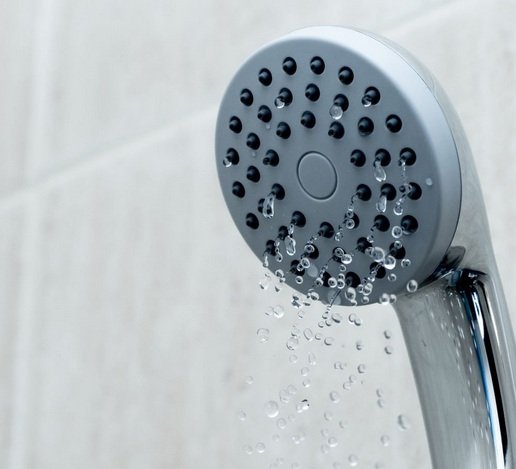
Low water pressure is a common issue that can affect the functionality of residential plumbing systems. It is characterized by a decrease in the force with which water flows from taps and appliances. Several factors can contribute to this phenomenon, disrupting typical water supply dynamics. Understanding these causes is essential for homeowners to address the problem effectively.
One of the primary causes of low water pressure is the presence of blockages in the pipes. Over time, mineral deposits can accumulate and restrict water flow, resulting in weaker pressure. This sediment build-up can occur in both hot and cold water pipes, significantly impacting overall water delivery in a household. Additionally, leaks in plumbing systems are another significant contributor to diminished water pressure. When a leak occurs, water escapes from the system, leading to a reduction in the available pressure at taps and fixtures.
Municipal supply issues can also play a role in low water pressure. Factors such as infrastructure maintenance, unexpected service interruptions, or unusually high demand in the area may lead to temporary reductions in water pressure supplied to residents. Homeowners should monitor any notices from local water authorities for potential service alerts that may indicate issues affecting their supply.
Symptoms associated with low water pressure can manifest in various ways. Homeowners often report weak or inconsistent water flow from faucets and showers. Additionally, longer wait times for hot water to reach fixtures can be indicative of a problem within the system. Appliances that rely on a consistent water supply, such as dishwashers and washing machines, may also exhibit difficulties, including incomplete cycles or subpar cleaning results. Recognizing these symptoms can help homeowners identify low water pressure early and take steps towards resolution.
Temporary Solutions to Improve Water Pressure
Experiencing low water pressure in your home can be frustrating, but several temporary fixes can help alleviate the issue until a permanent solution is implemented. One of the simplest methods is to clean faucet aerators and showerheads. Over time, mineral deposits can accumulate, obstructing water flow and reducing pressure. To clean these fixtures, unscrew them from the faucet or showerhead, soak them in a vinegar solution for a few hours, and then scrub away any buildup before reinstalling.
Another effective quick fix is to check for obstructions in the pipes. This can include debris, dirt, or even a buildup of rust. To inspect the plumbing, turn off the water supply and remove sections of pipe where accumulation might occur, particularly in areas with tight bends. Clear away any obstructions found and ensure that the pipe sections are reassembled securely before restoring the water supply. Monitoring water pressure after these adjustments can provide immediate feedback on the effectiveness of the solution.
Adjusting the main water valve can also influence water pressure levels positively. If the valve is partially closed, it can restrict water flow throughout the system. Locate the main water valve, typically near the water meter, and ensure it is fully opened. Be cautious not to open it too abruptly, as this may cause water hammer issues.
While these temporary solutions can effectively enhance water pressure, it is crucial to recognize their limitations. These quick fixes offer short-term relief and should not substitute for professional plumbing assessments necessary for long-term solutions. Proper maintenance and prompt attention to plumbing issues can prevent recurrent problems with water pressure in the future.
When to Call a Professional Plumber
As a homeowner, addressing issues with low water pressure may initially seem manageable; however, there are instances when the situation calls for expert intervention. Understanding when to solicit the services of a professional plumber is crucial not only for resolving the issue effectively but also for preventing further complications within your plumbing system.
One of the primary indicators that professional help is required is when there is a significant and unexplained drop in water pressure. If you notice that the flow of water has diminished drastically and consistently—particularly if the problem persists despite your attempts at troubleshooting—this may signal underlying issues that necessitate a plumber’s expertise. Common causes could range from major leaks within the system to critical plumbing malfunctions that are not easily rectified with DIY methods.
Additionally, visible damage to your plumbing, such as water stains, mold growth, or pooling water around fixtures, can be red flags that indicate more serious problems. These signs often point to leaks that may not be immediately apparent, but which can lead to significant damage over time if left untreated. In such cases, a licensed plumber will not only conduct a thorough inspection but will also implement the appropriate fixes to restore water pressure.
Furthermore, if you suspect that the issue may stem from your municipality’s water supply—perhaps due to scheduled maintenance or repairs—consulting a professional can provide clarity and guidance. They frequently have the insights necessary regarding local water service alerts and can confirm if the issue is isolated to your home or more widespread.
In conclusion, recognizing the circumstances that warrant professional assistance with low water pressure is essential for maintaining the integrity of your plumbing system. Make informed decisions based on the indicators present, and consult with a plumber to ensure your home’s plumbing remains in optimal condition.
Preventive Measures: Maintaining Optimal Water Pressure
To safeguard against low water pressure in your system, adopting a series of proactive measures is essential. Regular maintenance can significantly enhance the longevity and efficiency of your plumbing system, ensuring consistent water flow throughout your home.
One of the fundamental steps is to routinely check for leaks in your water supply lines. Even minor leaks can lead to a decrease in water pressure and can escalate into more significant plumbing issues if left unattended. Conducting periodic inspections of visible pipes, faucets, and fixtures helps in identifying any leaks early on.
Additionally, keeping your pipes clean is crucial for maintaining optimal water pressure. Sediment buildup and mineral deposits can obstruct the flow of water, particularly in older plumbing systems. To combat this, consider flushing your water heater annually and using vinegar or specialized cleaning solutions to clear mineral deposits from faucets and showerheads.
Another important aspect to monitor is the pressure reducing valve (PRV). This device adjusts the water pressure entering your home, and malfunctions can lead to both high and low water pressure issues. Regularly testing the PRV ensures it’s functioning correctly, which can prevent fluctuations that affect your water supply.
Moreover, ensure that all filters in your water system, such as those in faucets and appliances, are kept clean and clear of blockages. Replacing or cleaning these filters frequently can substantially improve water flow.
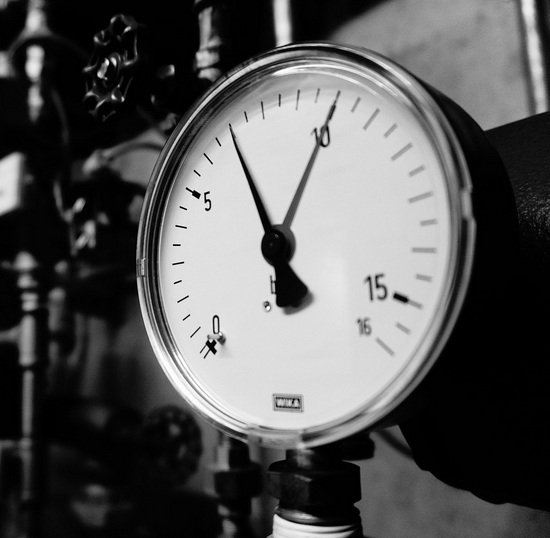
Educating yourself about tracking your water pressure over time can help you identify changes that may indicate plumbing issues. Consider investing in a water pressure gauge to monitor levels smoothly over different periods. Lastly, scheduling regular professional inspections of your plumbing system can uncover potential issues before they escalate, ensuring that your home maintains optimal water pressure.