How to Test the Quality of Your Drinking Water at Home
Water quality standards are essential guidelines established to ensure that drinking water is safe for human consumption. Organizations such as the United States Environmental Protection Agency (EPA) and the World Health Organization (WHO) have laid out comprehensive standards that define what constitutes safe drinking water. These standards are critical as they assist in identifying acceptable levels of various substances, ensuring consumers are protected from potential health risks.
Common contaminants that affect water quality include bacteria, heavy metals, nitrates, and chlorine. Bacteria, such as E. coli, can cause severe gastrointestinal illnesses if ingested. Heavy metals like lead and arsenic are notorious for their long-term health effects, including developmental issues in children and chronic disease in adults. Nitrates, often found in fertilizer runoff, can lead to methemoglobinemia, a condition that affects the ability of blood to carry oxygen. Lastly, chlorine is a widely used disinfectant that, in excessive amounts, can result in adverse health effects.
The WHO recommends that drinking water contain no harmful microbial agents, while the EPA sets maximum contaminant levels (MCLs) for hazardous substances. This ensures that the drinking water supply remains safe and provides peace of mind to consumers. The presence of contaminants not only threatens health but can also impact the taste and odor of water, which can lead to decreased water consumption, therefore exacerbating hydration issues.
Given the potential dangers of contaminated water, testing is essential. Regular testing allows homeowners to identify problematic substances and take necessary actions to improve water quality, safeguarding the health of all household members. Armed with knowledge about water quality standards and common contaminants, individuals can make informed decisions regarding their water consumption.
To effectively test the quality of drinking water at home, it is essential to gather the necessary tools and supplies. Home water testing has become an important practice for many individuals who wish to ensure the safety of their water supply. There are several options available depending on the specific parameters one wishes to assess.
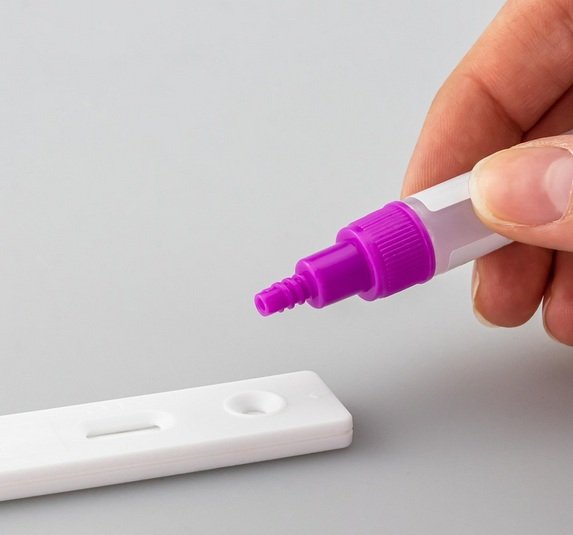
The most straightforward method involves purchasing home water test kits, which can be found at local stores or online retailers. These kits typically include strips or reagents for measuring various contaminants, such as bacteria, chlorine, lead, nitrates, and pH levels. Many kits also provide clear instructions, making them user-friendly even for those without prior experience in water quality testing.
For those looking to conduct more comprehensive assessments, specific instruments may be warranted. A digital pH meter can accurately determine the acidity or alkalinity of water, which is crucial for understanding its overall quality. Additionally, chlorine test kits are vital for evaluating disinfection levels, particularly if you rely on municipal water systems for your supply. Hardness test kits help assess the concentration of calcium and magnesium, important for appliance maintenance and overall water quality.
When selecting testing products, it is important to choose reliable and reputable brands. Look for equipment that is verified by independent laboratories or organizations, ensuring that the results will be accurate. Understanding the different tests available can also guide your decision on which tests are necessary for your specific water quality concerns. Overall, having the right tools will not only simplify the process of testing but also yield more reliable results, contributing to the broader goal of maintaining safe drinking water at home.
How to Conduct Water Quality Tests at Home
Testing the quality of your drinking water at home can provide you with critical insights into its safety and overall quality. To conduct effective water quality tests, you will need to gather essential tools such as water testing kits, clean containers, and protective gloves. It is important to prepare your workspace by ensuring that it is clean and free of contaminants that could interfere with your test results.
Begin by reading the instructions provided with your water testing kit carefully. Each kit may have specific guidelines and steps to follow for accurate results. Start by collecting a water sample from a tap that you usually use. If possible, let the water run for a few minutes to ensure you are testing fresh water. Use a clean, sterile container to avoid any external contamination during the collection process.
After collecting the sample, proceed with the tests as outlined in the kit’s instructions. For instance, if your kit includes strips for testing pH or hardness, submerge the strip in the water sample as directed and wait for the specified time. Observing the color changes that occur on the test strips is crucial for interpreting results accurately; ensure you compare the colors to the provided chart immediately after the recommended wait time.
Some tests might require additional steps, such as mixing reagents or waiting for sedimentation. Pay close attention to any recommendations regarding temperature and timing, as these can greatly influence your results. Finally, record your observations and any measurements accurately for future reference. By diligently following the manufacturer’s guidelines, you enhance the reliability of your water assessment, enabling you to make informed decisions about your drinking water quality.
Interpreting Results and Taking Action
After completing water quality tests, it is crucial to accurately interpret the results to understand the health implications for you and your family. Each test provides a numerical value or rating for specific contaminants. It is important to compare these results against established safety standards, which can vary by region and governing agency.
For instance, if your test results indicate the presence of lead, the Environmental Protection Agency (EPA) states that no amount of lead in drinking water is considered safe. In contrast, hardness levels can vary greatly; water with a hardness of 1-3 grains per gallon is generally acceptable, but levels above this may require remediation measures to improve the quality of drinking water.
When interpreting your results, also pay attention to the presence of common contaminants such as bacteria, nitrates, and chlorine. Bacteria such as E. coli should not be present in drinking water, and any detection indicates a serious health risk. Nitrate levels above 10 mg/L can pose risks, especially to infants. If your results show concerning levels of any contaminants, immediate action is necessary.
For hard water, consider installing a water softener, which can help reduce scale build-up and enhance water quality. If contamination is detected, remedies may include activated carbon filters, reverse osmosis systems, or UV purification units, depending on the specific contaminant. Additionally, maintaining proper plumbing and ensuring regular maintenance can mitigate against re-contamination.
In certain cases, particularly when test results show significantly elevated levels of contaminants or if you are unsure about the adequacy of your home testing, consulting a professional water quality expert is recommended. They can conduct comprehensive testing and suggest advanced treatment strategies tailored to your specific water quality issues.