How to Find Hidden Water Leaks in Your Home
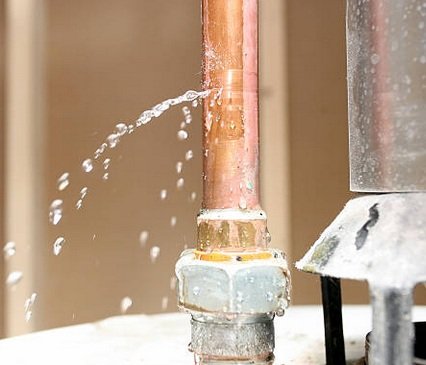
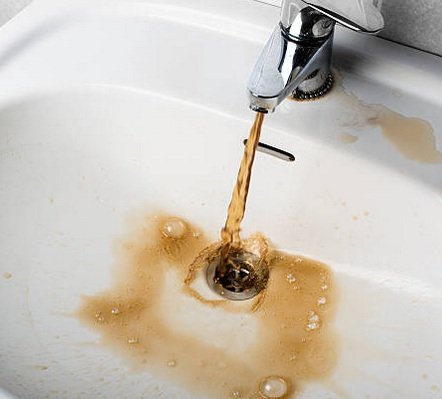
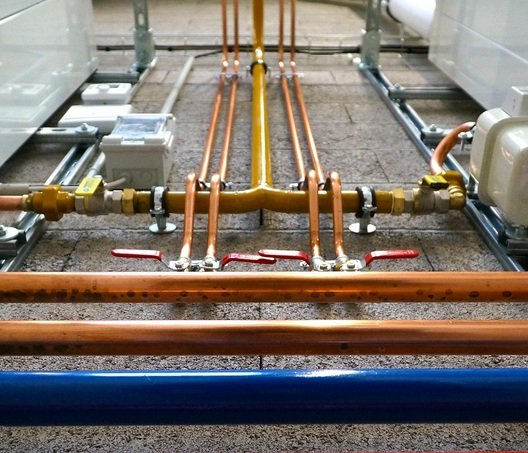
Water leaks are often the result of a combination of factors that can compromise the integrity of plumbing systems in homes. One of the primary causes is aging pipes. Over time, pipes can corrode, leading to weakened structures that are prone to leaks. Materials such as galvanized steel or copper can deteriorate, while the rubber seals and gaskets that connect different sections of piping may dry out and crack, especially in older homes. Regular inspection and replacement of aging pipes is crucial in preventing significant leaks.
Another common factor contributing to water leaks is poor construction practices. When homes are built without adhering to quality standards, it can lead to leaks down the line. Subpar installation of plumbing fixtures, improper sealing of pipe fittings, or inadequate slope in drainage systems can create conditions that encourage water leakage. Ensuring that plumbing work is performed by qualified professionals helps mitigate these risks.
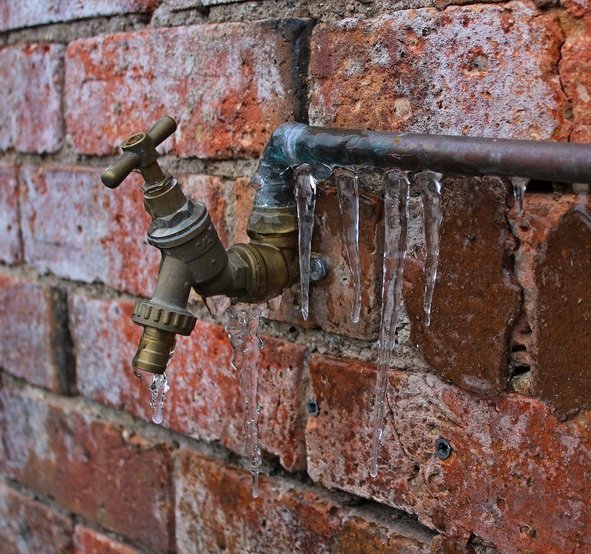
Fluctuating temperatures can also impact plumbing systems. In regions where temperatures drop significantly, pipes may freeze and subsequently burst when the water inside expands. This is particularly common in uninsulated areas like basements, attics, and crawl spaces. Additionally, temperature changes can cause materials to expand and contract, leading to eventual wear and tear on joints and connections.
Specific household areas are more susceptible to leaks due to their inherent characteristics. For instance, kitchens and bathrooms frequently house plumbing fixtures that can malfunction, such as faucets and toilets. Basements are also a common site for leaks, often due to their connection to the foundation and susceptibility to water pressure from the surrounding soil. Identifying these vulnerable locations in a home is critical for early detection and repair of potential water leaks.
Signs You Might Have a Hidden Leak
Identifying a hidden water leak in your home can be a challenging task, as these leaks often do not present themselves overtly. However, certain signs can indicate the presence of an undetected leak. Homeowners should remain vigilant for both visible and subtle clues to safeguard their property against the damaging effects of water.
One of the most apparent signs of a hidden leak is the presence of damp spots on walls, ceilings, or floors. Discoloration, peeling paint, or bulging surfaces may suggest that moisture is infiltrating these areas. Additionally, mold growth is a significant indicator of water issues; if you notice mold in areas not typically exposed to water, it may point to a hidden leak.
Another clear warning sign is an unusual reading on your water meter. If you observe a steady increase in water consumption without any corresponding usage—such as taking long showers or running multiple appliances—it could indicate that water is escaping through a hidden leak.
More subtle signs may include changes in water pressure. A noticeable drop in pressure when using fixtures can suggest that water is being diverted elsewhere. Furthermore, if you hear the sound of running water when all faucets are turned off, it indicates a potential leak. This sound often goes unnoticed until you actively listen for it.
To effectively monitor for these signs, homeowners can conduct regular checks of their plumbing system. Taking periodic readings of your water meter and comparing them with typical usage provides a clear baseline to detect discrepancies. Noting any unexplained changes, whether minor or significant, can help in early detection of hidden leaks, allowing for timely interventions that can prevent substantial damage and expensive repairs.
Tools and Techniques for Leak Detection
Detecting hidden water leaks is crucial for maintaining your home’s integrity and preventing costly damage. Various tools and techniques can effectively identify these elusive leaks.
One of the primary methods employed is the visual inspection. This technique involves carefully examining areas where leaks are likely, such as under sinks, around toilets, and near appliances. Homeowners should be attentive to signs like water stains, mold growth, or warped flooring, as these often indicate moisture intrusion. However, visual inspections can sometimes miss hidden leaks within walls or ceilings.
For more advanced detection, thermal imaging cameras can be highly effective. These devices identify temperature variations caused by moisture, revealing leaks that are not visible to the naked eye. Thermal imaging is particularly useful in large areas, allowing for a quick yet thorough examination.
Moisture meters are another valuable tool. These handheld devices measure the moisture content in materials such as wood or drywall. By utilizing a moisture meter, users can identify areas with excessively high moisture levels, suggesting potential leaks. This technique is effective for both identifying current leaks and assessing previous water damage.
Sound detection equipment, including acoustic leak detectors, is also an increasingly popular method. This technology amplifies the sounds produced by leaking water, making it easier to pinpoint the location of a leak within walls or underground. Such devices require specialized knowledge for accurate interpretation.
Homeowners can also adopt DIY methods, such as monitoring their water bill for unusual spikes, which may indicate a hidden leak. However, it is essential to understand when to consult a professional. If leaks are suspected in hard-to-access areas or if the damage is extensive, it’s advisable to seek assistance from a licensed plumber to avoid further complications and ensure thorough leak detection.
Preventing Future Water Leaks
Preventing future water leaks in your home requires a proactive approach that involves regular maintenance and keen observation. Homeowners should prioritize checking the condition of their plumbing systems, focusing specifically on old or damaged pipes. Inspections should be conducted at least once a year to identify any signs of corrosion, cracks, or wear, which can lead to water leaks. When outdated pipes are discovered, prompt replacement is essential to avoid further complications.
Additionally, maintaining gutters and downspouts is crucial in preventing water from pooling around the foundation of the house. Clogged gutters can lead to overflowing, which can damage the roof and walls and ultimately contribute to leaks. Regularly cleaning these components, especially during the fall season when leaves accumulate, will help ensure water is directed away from the house efficiently.
Caulking and weatherproofing are also effective measures to reduce the risk of water leaks. This process involves sealing gaps and cracks around windows and doors to prevent moisture intrusion. Regularly inspect these areas and reapply caulk as needed to maintain an effective barrier against water.
A comprehensive home maintenance schedule can greatly assist homeowners in staying on top of these tasks. By setting reminders for inspections, gutter cleanings, and pipe assessments, homeowners can reduce the likelihood of unexpected water leaks. Utilizing a checklist can also serve as a reliable guide, ensuring no maintenance task is overlooked. By adopting these preventive measures, homeowners can enjoy peace of mind, knowing that they have taken proactive steps to protect their home from water damage.