Essential Tips for Maintaining Your Water Softener for Longevity
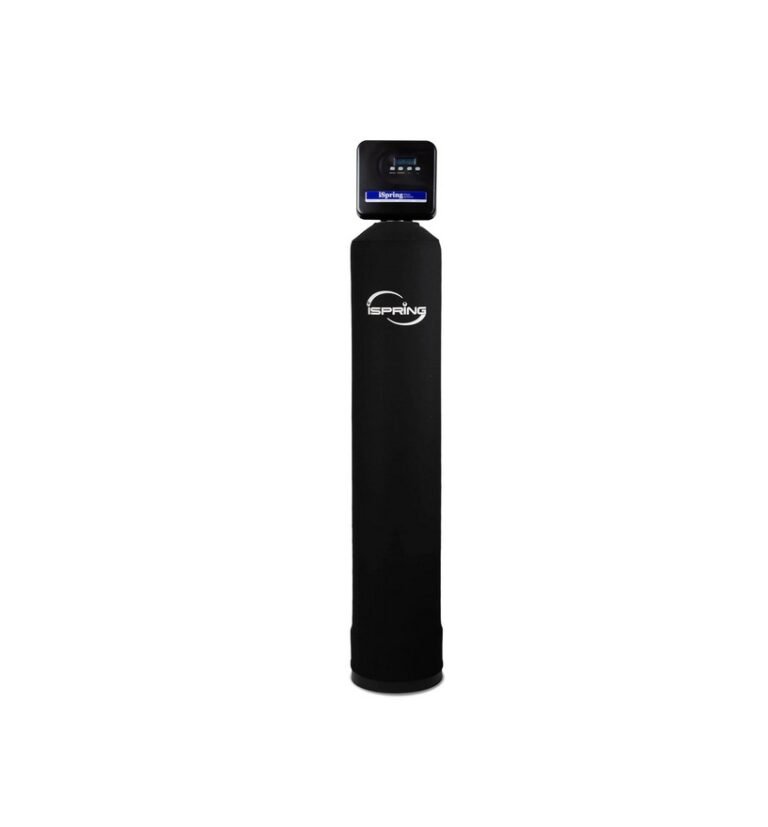
A water softener is an essential device designed to reduce the hardness of water, which typically contains high levels of calcium and magnesium. These minerals can lead to various issues, including scale buildup in pipes and appliances, reduced efficiency of soaps and detergents, and unpleasant spots on dishware. By replacing these hard minerals with sodium or potassium, a water softener improves water quality and enhances the longevity of plumbing systems.
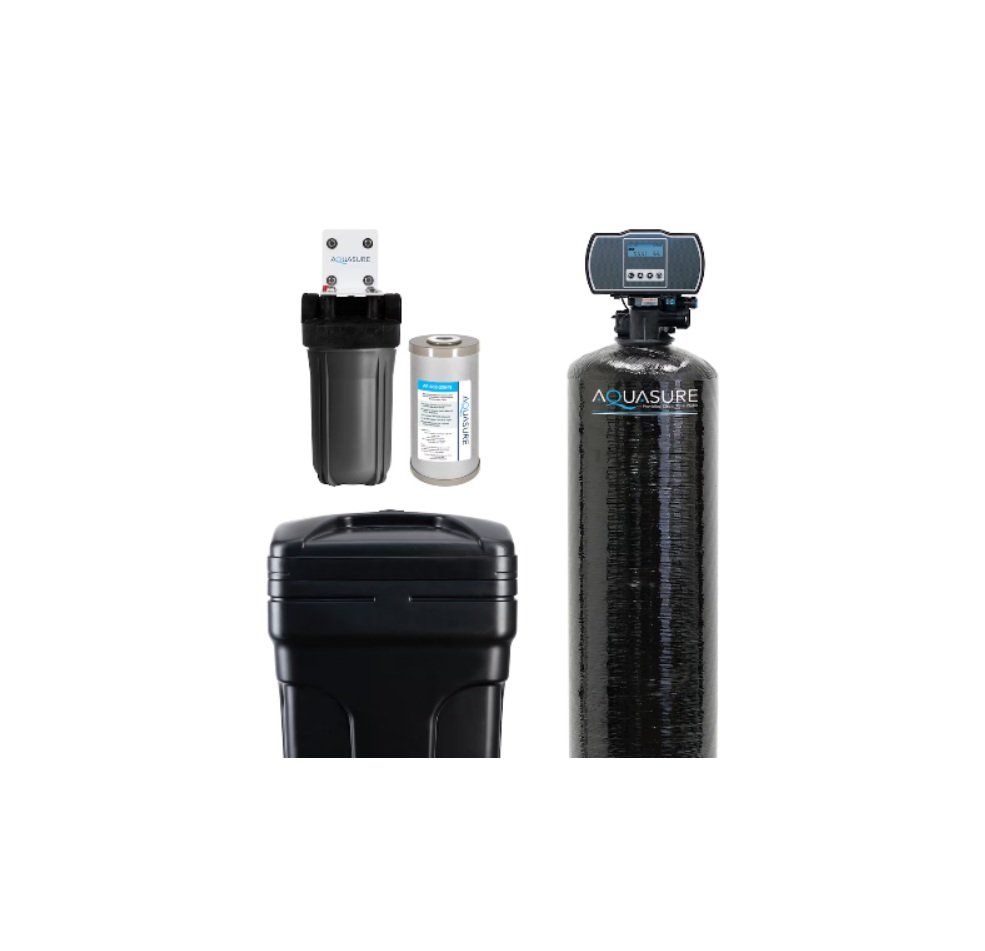
Water softeners generally fall into two categories: salt-based and salt-free models. Salt-based softeners operate through an ion exchange process. In this system, hard water passes through resin beads that are charged with sodium ions. As hard minerals adhere to the beads, sodium ions are released into the water, resulting in softened water. However, the resin requires periodic regeneration using a salt solution, which is a crucial component of maintenance.
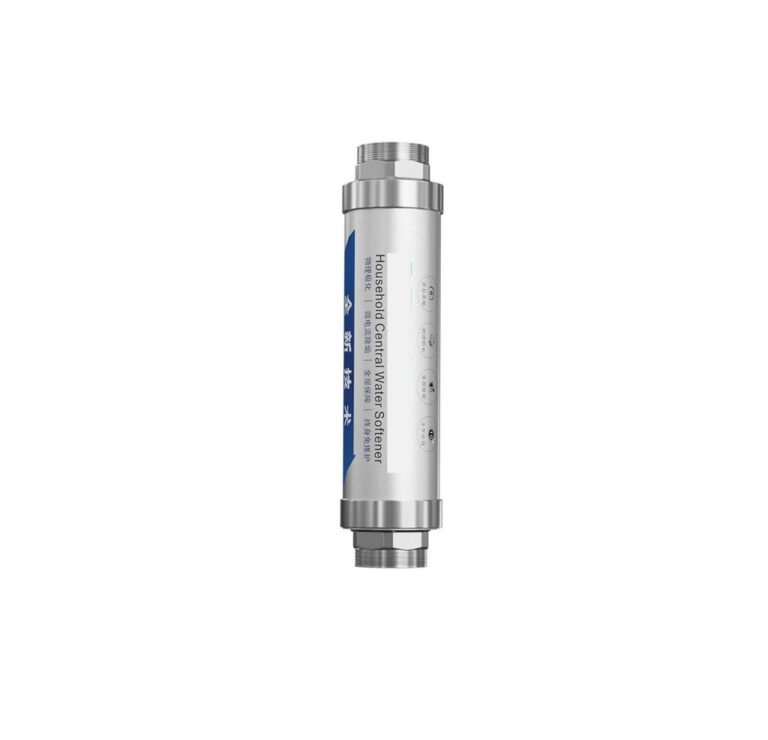
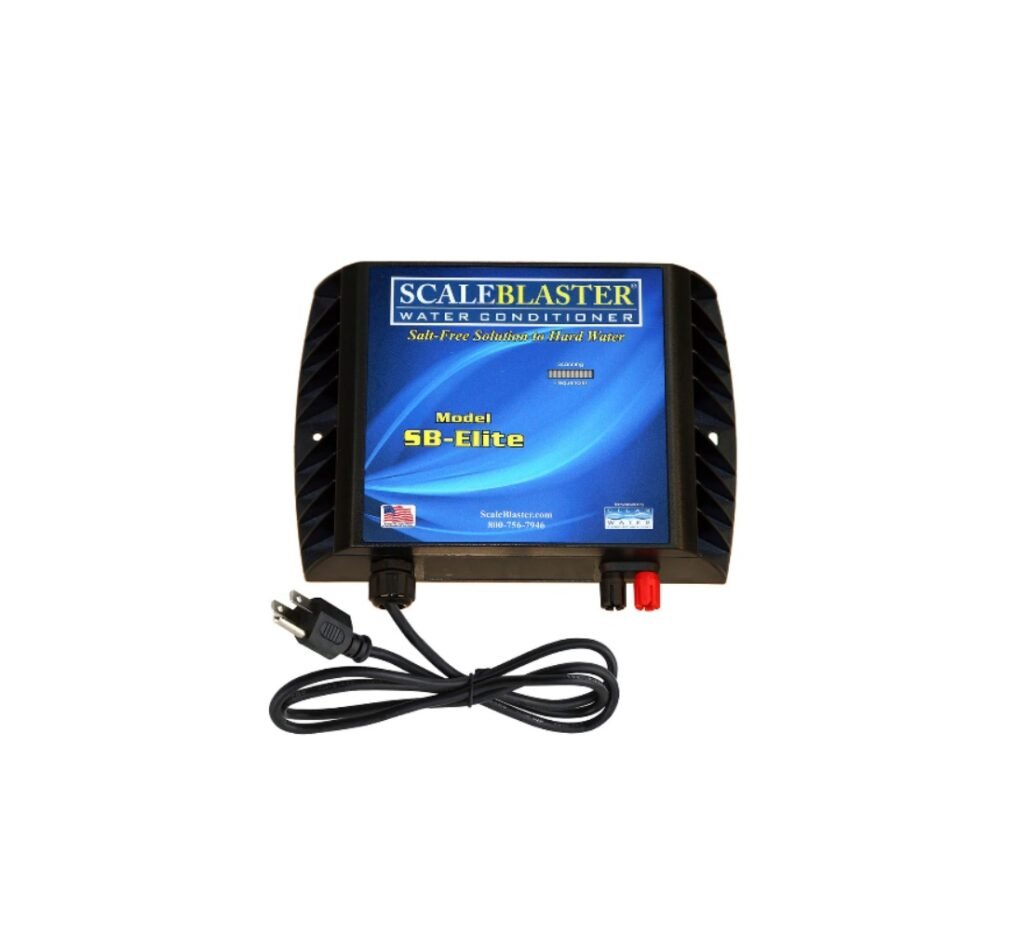
On the other hand, salt-free water softeners utilize a different technology, often referred to as template-assisted crystallization. Instead of ion exchange, these systems condition the water to minimize the effects of hardness. This method does not remove minerals but transforms them into microscopic crystals that do not adhere to surfaces. Salt-free systems typically require less maintenance and do not add sodium to the water supply, making them a preferable option for some homeowners.
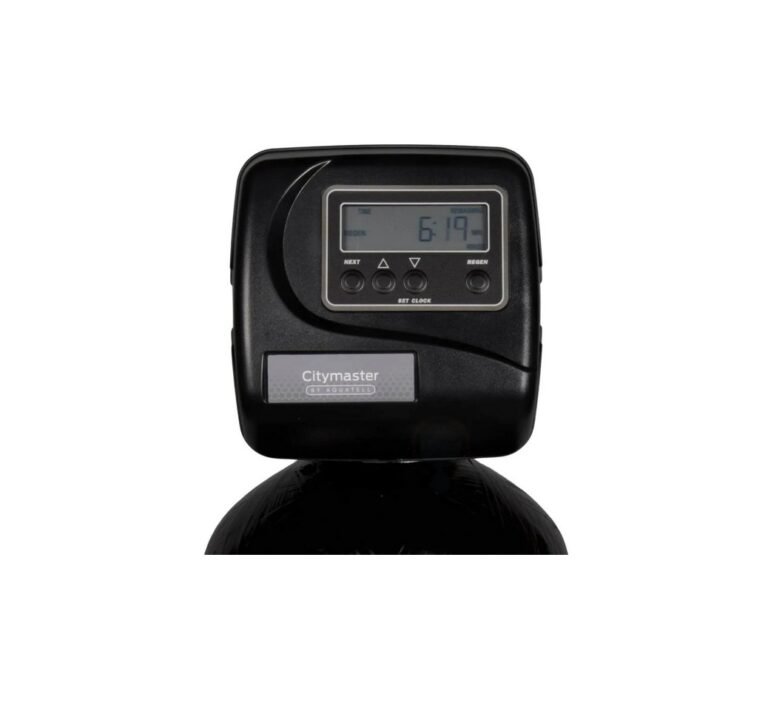
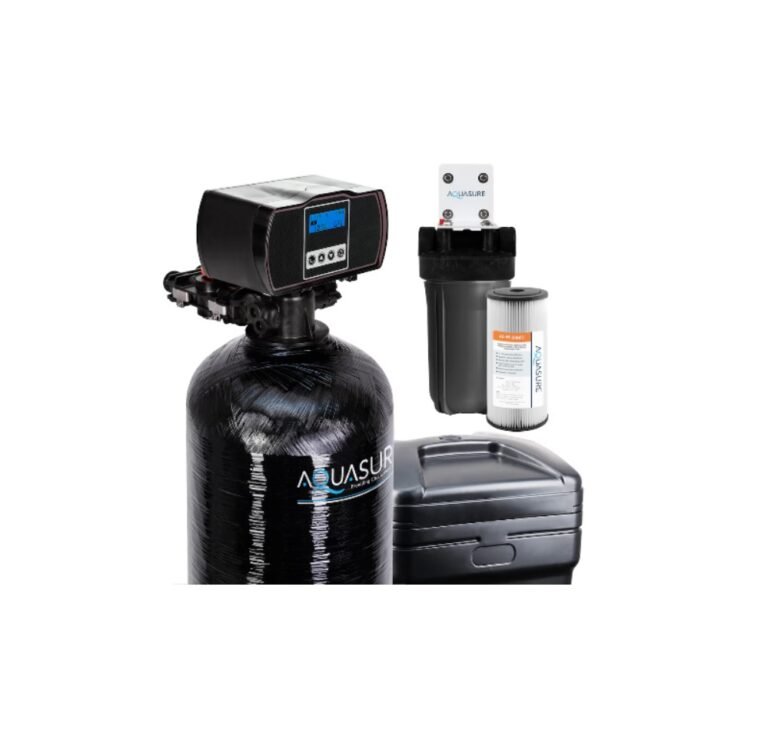
Both types of water softeners have different components that play significant roles in their functionality. These include the brine tank, resin tank, control valve, and various sensors. Understanding these parts and their functions is essential for effective maintenance practices. Regular inspections and upkeep can prevent common issues and ensure your water softener operates efficiently for a prolonged period. Thus, being knowledgeable about your water softener system is vital for its longevity and performance.
Routine Maintenance Practices
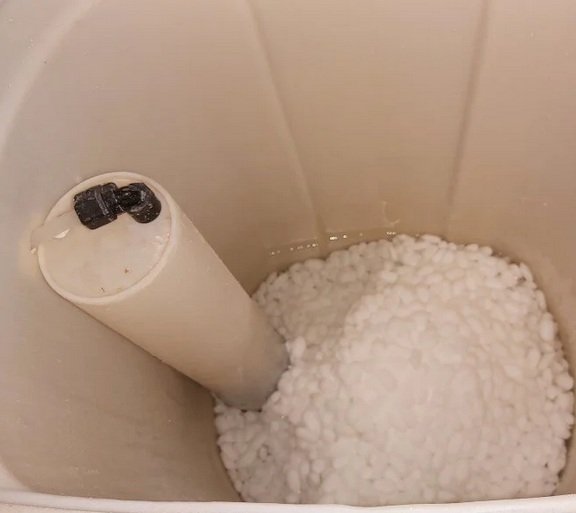
Maintaining your water softener is essential for ensuring it operates efficiently and lasts for many years. One of the most crucial routine maintenance practices involves regularly checking and replenishing the salt levels in the brine tank. Depending on your water usage and hardness level, it is recommended to check the salt levels at least once a month. Keeping the salt replenished will ensure that the softening process continues smoothly.
Another vital aspect of maintenance is cleaning the brine tank. Over time, residue can build up in the tank, potentially affecting the system’s efficiency. It is advisable to clean the brine tank every six months. This process typically involves emptying the tank, scrubbing it with a mild solution, and rinsing thoroughly before refilling with salt. Regular cleaning helps prevent any malfunctions and ensures optimal performance.
Inspecting the resin beads is also an important maintenance task. These beads are responsible for the ion exchange process that softens the water. If the beads become coated with contaminants or degrade over time, the effectiveness of water softening diminishes. Checking the condition of the resin beads should be done annually, and if it is determined that they are not functioning well, a resin replacement may be necessary.
To help manage these tasks effectively, consider creating a maintenance schedule. This can be a simple checklist that outlines when each task should be performed. Incorporating reminders for salt checks, tank cleanings, and resin inspections can promote accountability and ensure that maintenance is handled regularly. By adhering to these routine practices, homeowners can greatly enhance the longevity and efficiency of their water softeners.
Troubleshooting Common Issues
Maintaining a water softener is essential for ensuring its longevity and optimal performance. However, occasional issues may arise that can hinder the softener’s effectiveness. Recognizing these problems early is crucial for effective troubleshooting.
One common issue is insufficient softening, which may manifest as itchy skin, dry hair, or the presence of scale buildup on fixtures. If you notice these signs, check the salt level in the brine tank; it should be replenished regularly to ensure efficient ion exchange. Additionally, monitor the settings on your softener to ensure they align with your household’s water usage and hardness levels.
Another frequent issue is the formation of salt bridges within the brine tank. A salt bridge occurs when the salt forms a hard crust, preventing the brine solution from dissolving fully. To resolve this, gently break apart the crust with a stick or a similar object, taking care not to damage the tank. After that, thoroughly stir the remaining salt, and refill the tank with fresh salt as needed.
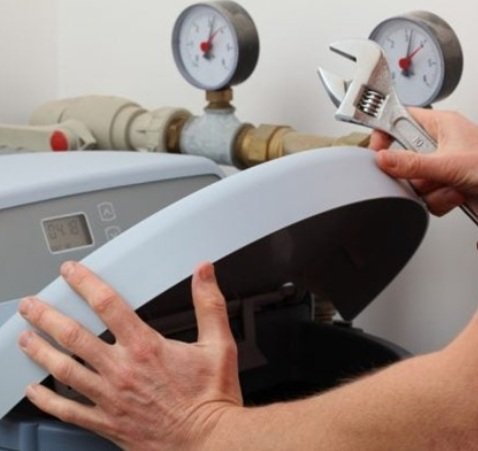
Leaking systems can also lead to performance problems and wasted water. Be on the lookout for puddles around your softener. Inspect the intake and outflow hoses for wear and tear. Tightening loose connections may remedy minor leaks; however, persistent leaking warrants consulting a professional plumber to evaluate whether internal repairs are necessary.
Additionally, regular maintenance—such as cleaning the resin bed and changing filters—can preempt many issues. It’s advisable to perform these tasks every few months. If after troubleshooting you are still experiencing challenges, or if the system shows significant signs of damage, contacting a qualified technician for an assessment may be the best course of action.
Long-term Care and Upgrades
Maintaining the longevity of your water softener is essential for ensuring optimal efficiency and performance over time. One crucial aspect of long-term care is scheduling professional inspections. Engaging a qualified technician to conduct regular assessments will help identify potential issues before they escalate into significant problems. Typically, a professional evaluation should occur annually, allowing for thorough checks on the resin tank, brine tank, and control valves. This proactive approach can save costs and extend the water softener’s life considerably.
In addition to regular inspections, it is vital to stay informed about system upgrades. Over the years, advancements in water softening technology have introduced more efficient methods and features designed to enhance performance. For instance, integrating modern control systems can offer greater customization and efficiency in water usage. You may also consider investing in high-efficiency salt-free water softeners, which minimize the need for chemical salts while providing exceptional softening capabilities.
Furthermore, understanding when to replace parts is essential for optimal function. Parts such as the resin bed or the control valve can wear out over time, and detecting these signs early can prevent your system from working inefficiently. Routine evaluations can help you plan for replacements rather than dealing with unexpected failures.
Investing in smart monitoring systems is another effective way to enhance the performance and efficiency of your water softener. These innovative systems can provide real-time insights into your water usage, alert you to maintenance needs, and ensure that your softener operates at peak efficiency. By adopting these technologies, you not only prolong the life of your water softener but also enjoy the added convenience and peace of mind that comes with having a well-maintained water treatment system.