How to Know If You Need a Water Softener
Hard water is defined by its elevated mineral content, primarily consisting of calcium and magnesium. These minerals enter the water supply as it moves through the ground, where it leaches from rocks and soil. The presence of hard water can vary significantly from one geographic area to another; some regions, particularly those with limestone or granite bedrock, are known to have higher levels of these minerals, resulting in hard water.
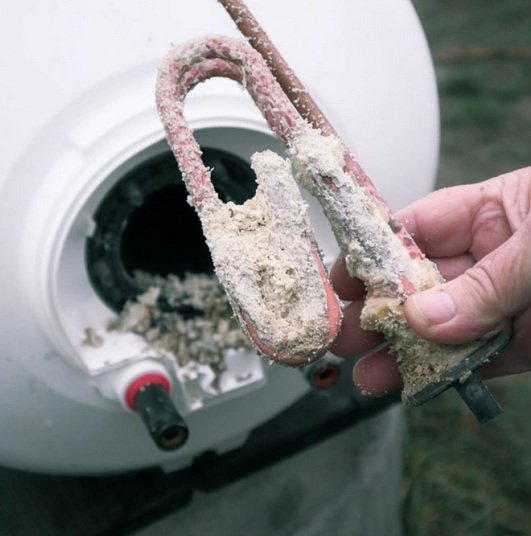
One of the most common issues associated with hard water is its impact on household appliances and plumbing. Over time, calcium and magnesium can precipitate and form scale, which builds up in pipes, water heaters, and dishwashers. This accumulation can reduce the efficiency of these appliances, leading to increased energy consumption and potentially costly repairs or replacements. In addition, hard water may affect laundry by leaving clothes feeling stiff and looking dingy, as the minerals can prevent detergents from lathering effectively.
Identifying the signs of hard water in your home can be straightforward. Residents may notice soap scum buildup on faucets and showerheads, cloudy dishes after washing, or mineral deposits on glassware. Additionally, skin and hair may feel dry or rough after bathing, indicating that hard water may be an issue. In some cases, a simple water test can provide clear results regarding the hardness levels, helping homeowners determine if they need to consider a water softener for their household needs.
In summary, hard water is a widespread issue that can significantly impact appliances, plumbing, and everyday tasks. Understanding its mineral composition and recognizing its signs can help homeowners address and manage the effects of hard water effectively.
Signs That Indicate You May Need a Water Softener
Identifying the need for a water softener can significantly enhance your quality of life and improve the efficiency of your home appliances. One of the primary signs indicating hard water is the presence of soap scum buildup in your showers, sinks, and bathtubs. When hard water mixes with soap, it creates a residue that feels unpleasant and is often challenging to remove.
Another telling sign is dry skin and hair. If you find that your skin feels tight and dry, or if your hair is frizzy and lacks shine even after routine washing and conditioning, hard water could be to blame. The minerals present in untreated hard water can strip moisture from your skin and hair, leading to these issues.
Furthermore, inspecting your glassware after dishwashing may reveal unsightly spots or film, which are also indicative of hard water. These spots occur when minerals in hard water remain on your dishes after washing, indicating a need for a more effective solution.
Reduced efficiency of appliances is another significant indicator. If you notice that your water heater is frequently needing repairs or your dishwasher isn’t cleaning effectively, this could be due to the buildup of mineral deposits that come from hard water. These deposits not only diminish efficiency but can lead to costly repairs or replacements.
Finally, consider visual indicators such as staining on fixtures or laundry. If you frequently see discolored spots or harsh stains on your bathroom fixtures or clothing, these could be manifestations of hard water that a water softener can help address. By recognizing these signs early, you can take proactive measures to improve your water quality and protect your home.
Benefits of Installing a Water Softener
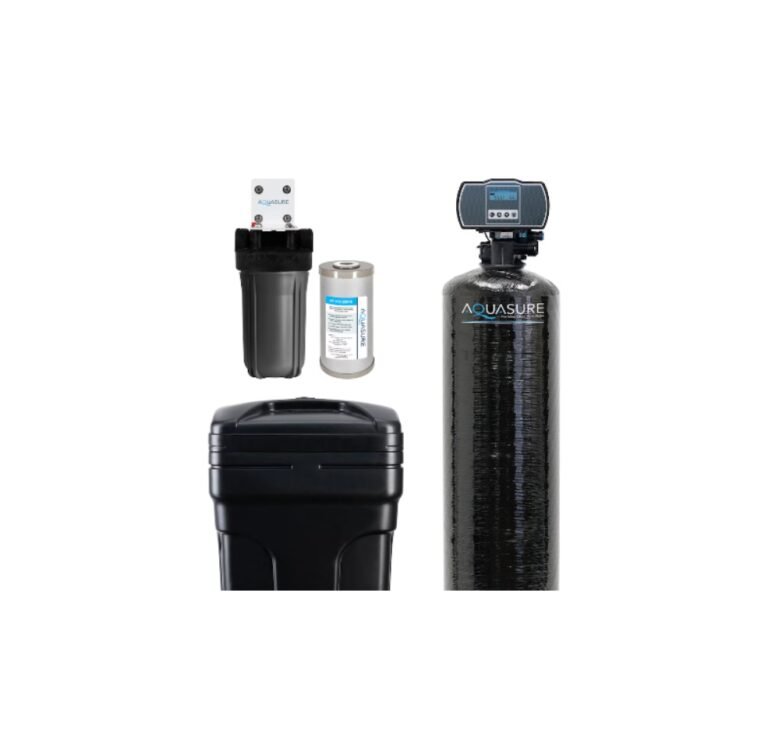
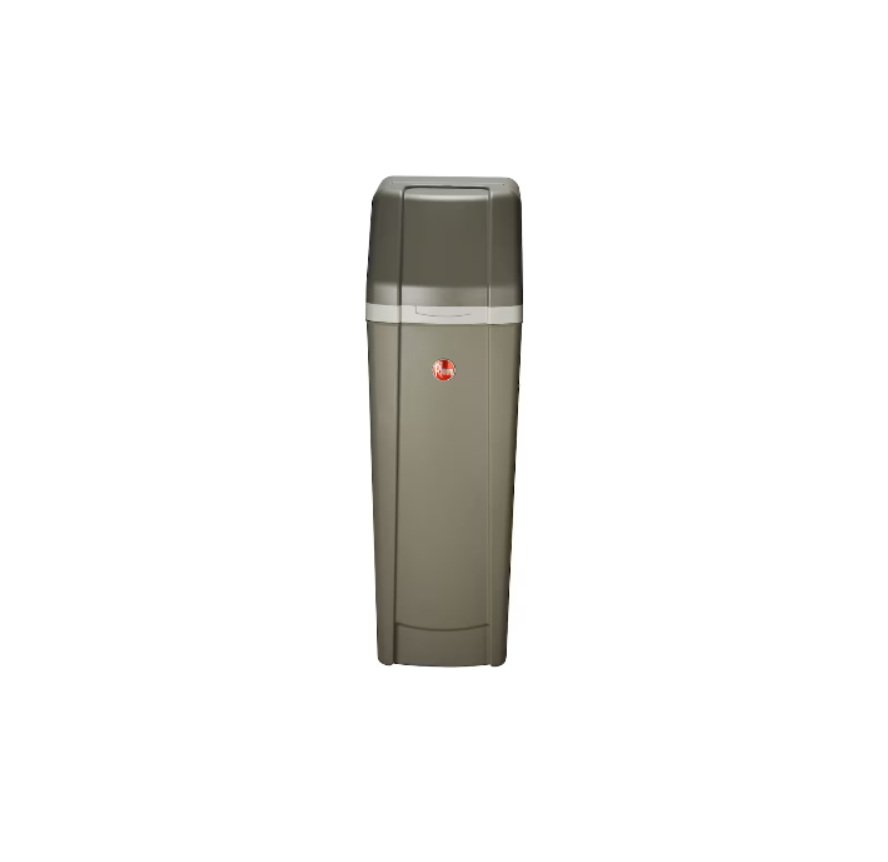
The installation of a water softener offers numerous advantages that can significantly enhance daily living. One of the primary benefits is the improvement in water quality. Water softeners effectively remove hard minerals such as calcium and magnesium, which can lead to scale build-up in pipes and appliances, resulting in enhanced efficiency in water usage.
Furthermore, the presence of softer water can prolong the life of household appliances. Devices such as dishwashers, washing machines, and water heaters often suffer from reduced efficiency and increased wear when hard water is utilized. By softening the water, homeowners can expect these appliances to function optimally for a longer period, ultimately saving money on repairs and replacements.
In addition to appliance longevity, individuals often notice both skin and hair improvements. Hard water can lead to dryness or irritation, whereas softened water tends to be gentler, resulting in softer skin and more manageable hair. This can be particularly beneficial for those with sensitive skin or conditions such as eczema.
Another notable advantage is the enhanced cleaning efficiency afforded by softened water. Household cleaning products and detergents perform better in soft water, requiring less product for the same level of efficacy. This results in whiter laundry, streak-free dishes, and overall cleaner surfaces, thereby enhancing the home environment.
Moreover, the use of a water softener can lead to indirect benefits such as lower energy bills. With appliances operating more efficiently due to reduced scale build-up, it often translates into lower energy consumption. Additionally, homeowners may experience reduced maintenance costs since softer water can help avert plumbing problems associated with hard water deposits.
Assessing Water Hardness
Understanding your water’s hardness is crucial to determine whether a water softener is necessary for your home. There are several methods to assess water hardness, ranging from simple at-home tests to professional analyses. Each method can provide valuable insights into the mineral content of your water.
One of the most accessible options for homeowners is using water hardness test strips. These strips can be easily purchased at home improvement stores or online. To use them, fill a clean container with water to be tested, dip the strip into the water for the recommended amount of time, and then compare the resulting color with the chart provided on the packaging. This visual comparison will indicate whether your water is classified as soft, moderately hard, hard, or very hard. Typically, a hardness rating of 0 to 60 mg/L indicates soft water, while levels above this can signal the need for water softening solutions.
Another option is to use a water hardness meter, which can provide a more precise reading. These digital devices require calibration and can measure the hardness in grains per gallon or parts per million, giving you a more accurate understanding of your water’s composition.
In addition to conducting your tests, it’s beneficial to consult your local water quality report. These reports are often available through your municipality’s website and will detail the mineral contents of your water supply. They typically include levels of calcium, magnesium, and overall hardness, aiding your understanding of whether further treatment is necessary. By combining test results from home and insights from local reports, you can make an informed decision regarding the installation of a water softener, ensuring optimal water quality for your household needs.