DIY Tips vs Professional RO System Service: Which is Right for You?
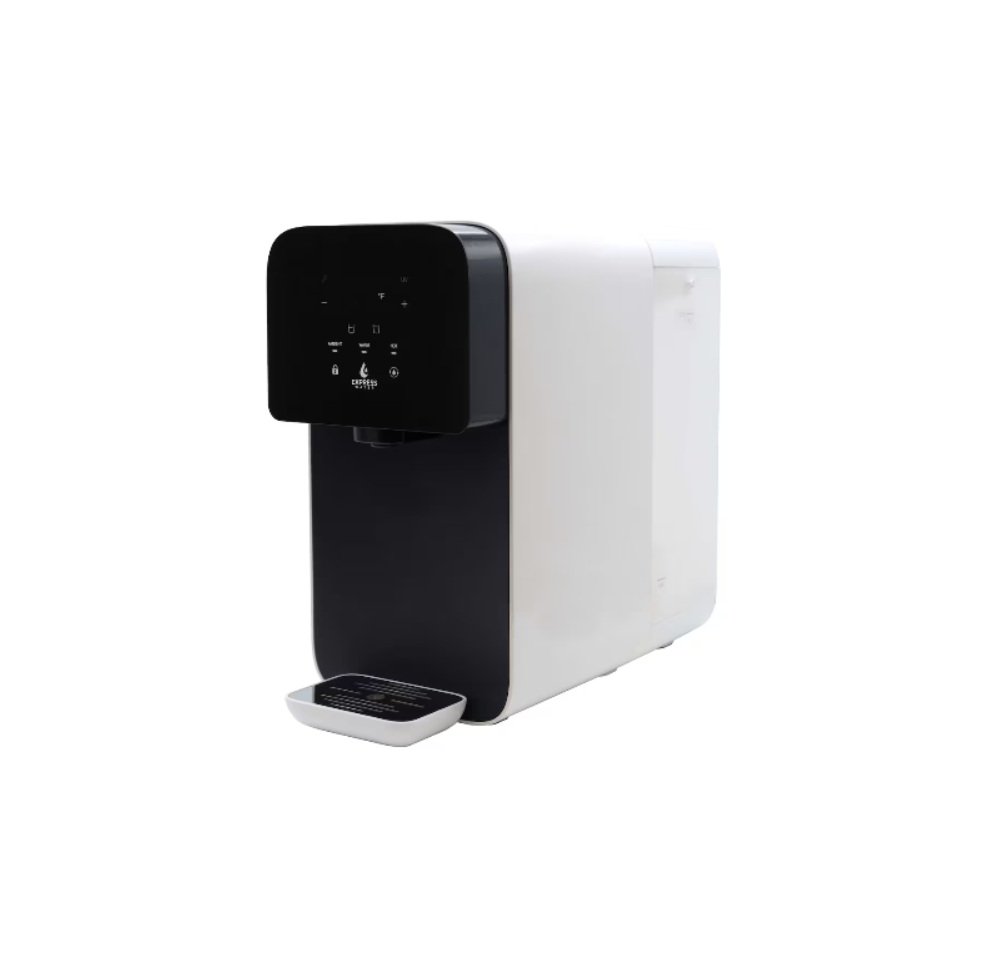
Reverse Osmosis (RO) systems are advanced water purification technologies that play a critical role in providing clean and safe drinking water for households. These systems work by utilizing a semi-permeable membrane that separates impurities from water, ensuring that contaminants such as toxins, dissolved solids, and bacteria are effectively removed. The result is pure water that is essential for human health and well-being.
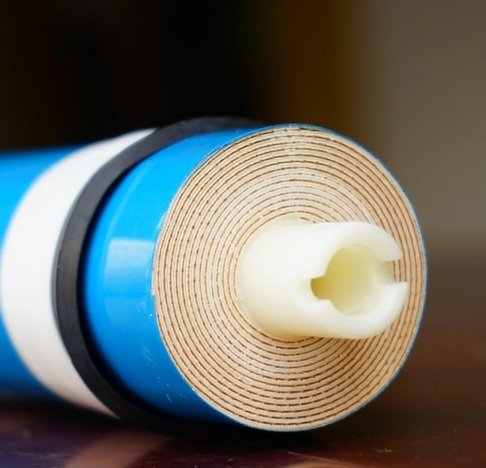
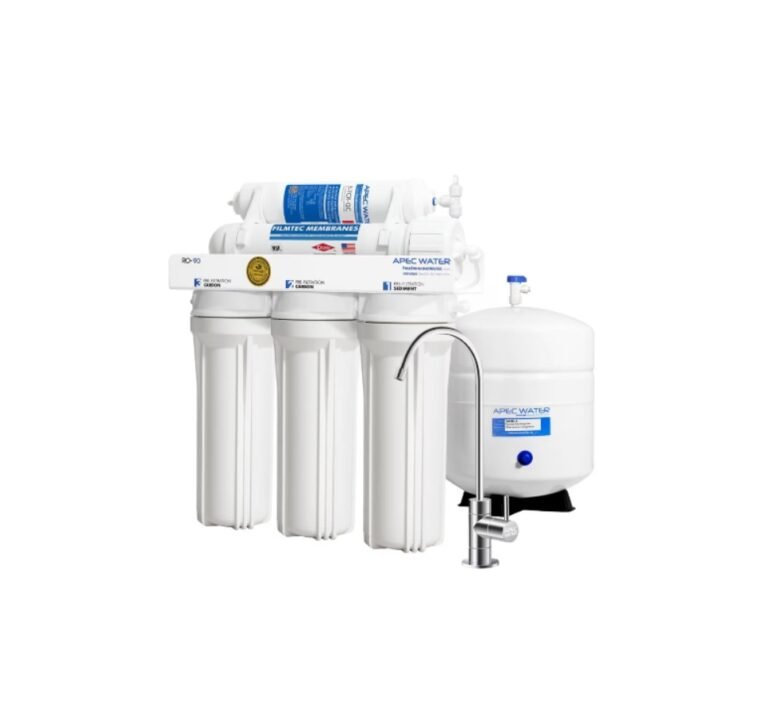
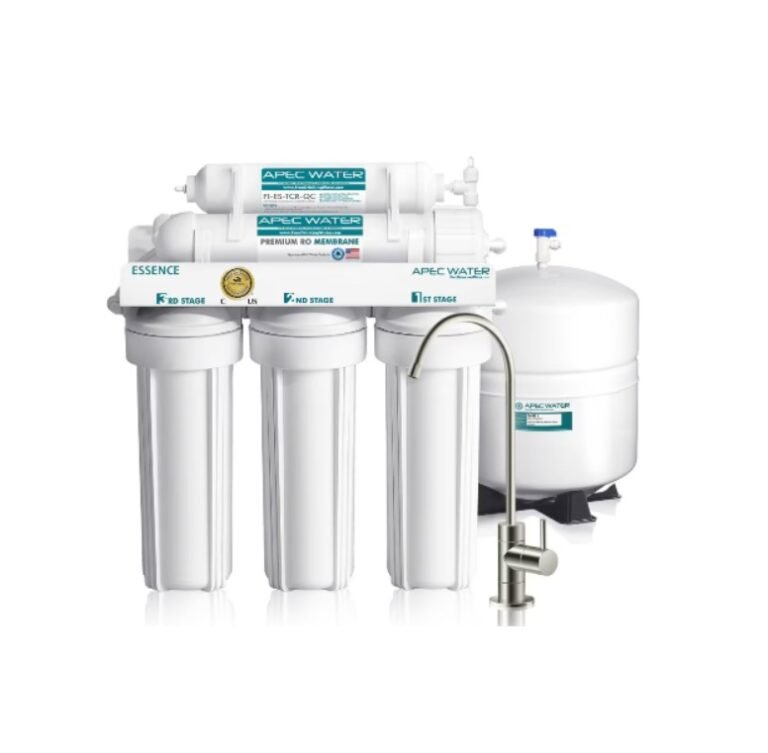
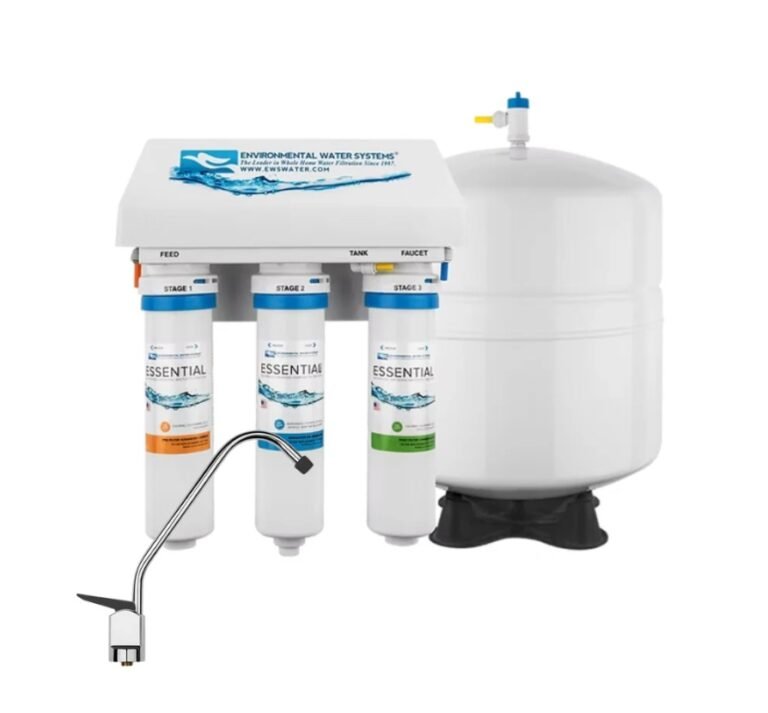
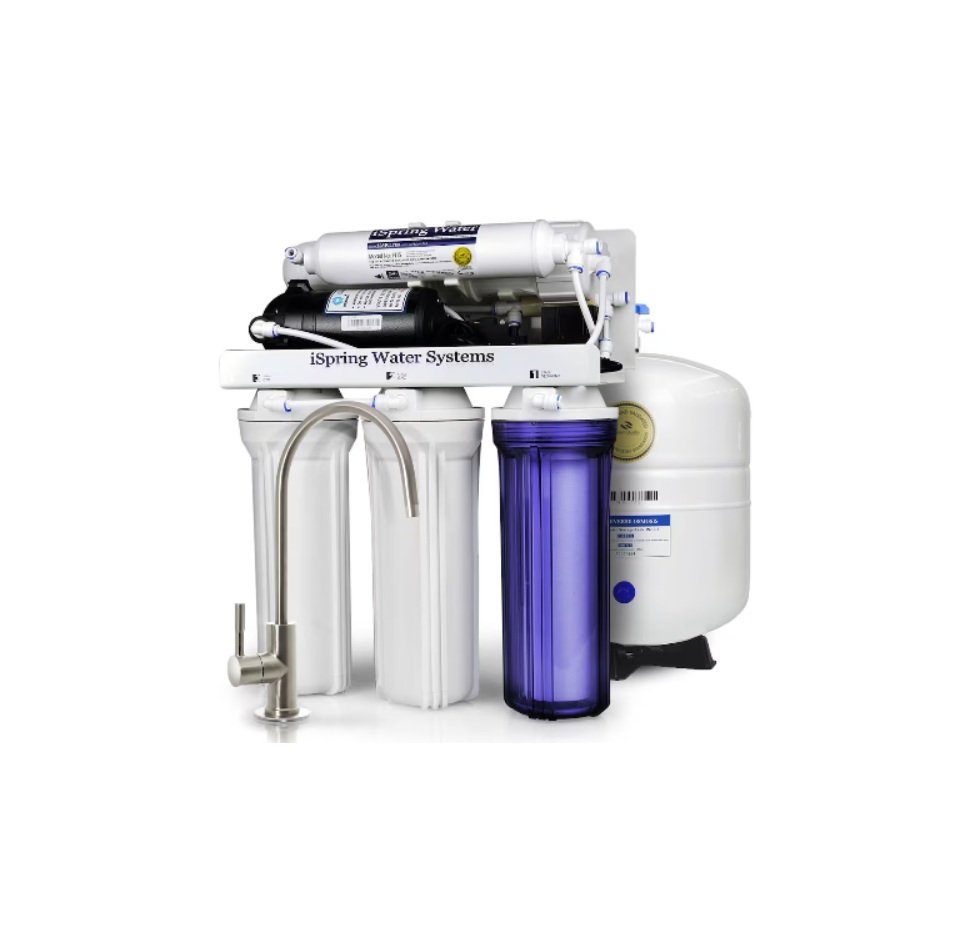
Typically, an RO system comprises several key components, including pre-filters, the RO membrane, a storage tank, and a post-filter. The pre-filters serve to eliminate larger particulates to prolong the life of the RO membrane. The RO membrane itself is the heart of the system, rigorously filtering out harmful substances. After processing, the purified water is stored in a tank and sent through a post-filter, which further enhances the taste before it reaches the faucet.
The benefits of using RO systems are manifold. Beyond the obvious advantage of providing cleaner, tastier drinking water, they also contribute to better cooking and food preparation. Moreover, by removing contaminants, RO systems reduce the risk of health issues related to waterborne diseases, providing peace of mind for families.
However, users of RO systems may encounter several common issues over time, such as reduced water flow, increased noise, and leaking components. Understanding these potential problems is imperative for effective maintenance and troubleshooting. Regular service checks can help in identifying early signs of wear, ensuring the system operates optimally. Consequently, every homeowner should consider the maintenance needs of their RO system, assessing whether they are equipped to handle the upkeep or if professional service may be necessary.
DIY Maintenance Tips for RO Systems
Maintaining a reverse osmosis (RO) system is crucial for ensuring clean, safe drinking water. Performing routine maintenance can enhance the lifespan of the system and its efficiency. Here are some essential DIY maintenance tips to help you take care of your RO system effectively.
One of the primary tasks in your DIY maintenance routine should be replacing the filters as recommended by the manufacturer. Most RO systems have pre-filters, post-filters, and a membrane that need to be replaced on a schedule, typically every six months to two years, depending on usage and water quality. Keep track of the replacement dates and ensure you have the correct filter models on hand.
Cleaning the storage tank periodically is also vital for maintaining water quality. Contaminants can build up in the tank, affecting the taste and purity of your water. To clean the tank, turn off the water supply, drain it completely, and use a mild bleach solution to disinfect it. Rinse thoroughly before refilling. This simple step can significantly improve the performance and safety of your system.
Additionally, performing routine checks on system pressure and functionality ensures your RO system operates efficiently. Check for any leaks, unusual noises, or drops in pressure that could indicate a problem. If there are any noticeable issues, consult your system’s manual for troubleshooting tips. A basic toolbox with essential tools, such as a wrench, screwdrivers, and pliers, will be beneficial for performing inspections and minor repairs.
Lastly, always prioritize safety when working on your RO system. Ensure you turn off the water supply before starting any maintenance tasks. Wearing gloves and safety goggles can protect you while handling various components and cleaning agents. By following these DIY maintenance tips, you can empower yourself to manage minor issues effectively, maximizing the performance of your reverse osmosis system.
Benefits of Hiring a Professional RO Service
Investing in a Reverse Osmosis (RO) system for water purification is a significant commitment, and proper maintenance is essential to ensure its efficiency and longevity. One of the most beneficial options for maintaining an RO system is hiring a professional service. Such expertise provides several advantages that can greatly enhance the performance of your system.
One of the primary benefits of hiring a professional RO service is the expertise they bring to the table. Trained technicians are equipped with extensive knowledge and experience in handling a variety of water purification systems. They are familiar with the nuances of different models and can identify specific issues that may not be apparent to a layperson. This expertise extends to recognizing the signs that may indicate a malfunction, allowing for prompt and effective repairs or adjustments.
Furthermore, professional services save you valuable time. Regular maintenance can be time-consuming, particularly if you are not familiar with the intricate workings of the RO system. A professional service can efficiently conduct routine checks and necessary repairs, freeing you from the burden of cumbersome maintenance tasks. This time-saving aspect is especially crucial for busy households or businesses where the demand for clean water is critical.
Another advantage of enlisting professional assistance is their ability to troubleshoot complex issues. While some minor problems may be rectified with DIY methods, many issues require specialized tools and knowledge to effectively diagnose. Professionals are trained to assess the situation accurately and implement appropriate solutions, thus preventing further complications.
Lastly, ensuring optimal performance of your RO system is paramount. Regular maintenance by a professional not only prolongs the system’s lifespan, but it also guarantees that it operates at peak efficiency. This can lead to significant savings in water and energy costs in the long run. In cases where water quality standards are not met, professional intervention is critical to restore the system’s function.
Comparing Costs: Is DIY or Professional Service More Economical?
When it comes to maintaining a reverse osmosis (RO) system, understanding the costs associated with DIY maintenance versus hiring a professional service is crucial for budgeting effectively. The initial expenses for a DIY approach typically include the purchase of replacement filters and necessary tools, which might range from $50 to $150, depending on the system’s complexity and the quality of components selected.
In contrast, the cost of hiring a professional can vary significantly based on location and service provider. Routine servicing and maintenance visits can cost between $75 and $200. Although there may be a higher upfront investment with professional services, these can alleviate potential issues that might arise from improper installation or neglect in maintenance, thus potentially saving money on repairs in the long run.
Another pivotal factor to consider is the long-term value associated with each option. DIY enthusiasts may initially save on service fees, but improper maintenance can lead to costly repairs or inefficient system performance. Conversely, professional services ensure that maintenance is conducted consistently and correctly, enhancing the lifespan of the RO system.
Additionally, it’s essential to account for time. Regularly maintaining an RO system involves more than just replacing filters; it requires knowledge of system mechanics and troubleshooting. For many, the time invested in DIY maintenance can translate to an opportunity cost that outweighs the savings accrued from not hiring a professional.
Ultimately, the decision between DIY and professional services hinges on one’s comfort level with the technology, available time, and financial objectives. By carefully weighing these factors, individuals can make an informed choice that aligns with their budgetary constraints and personal preferences.