How to Improve the Taste of Your Tap Water with RO
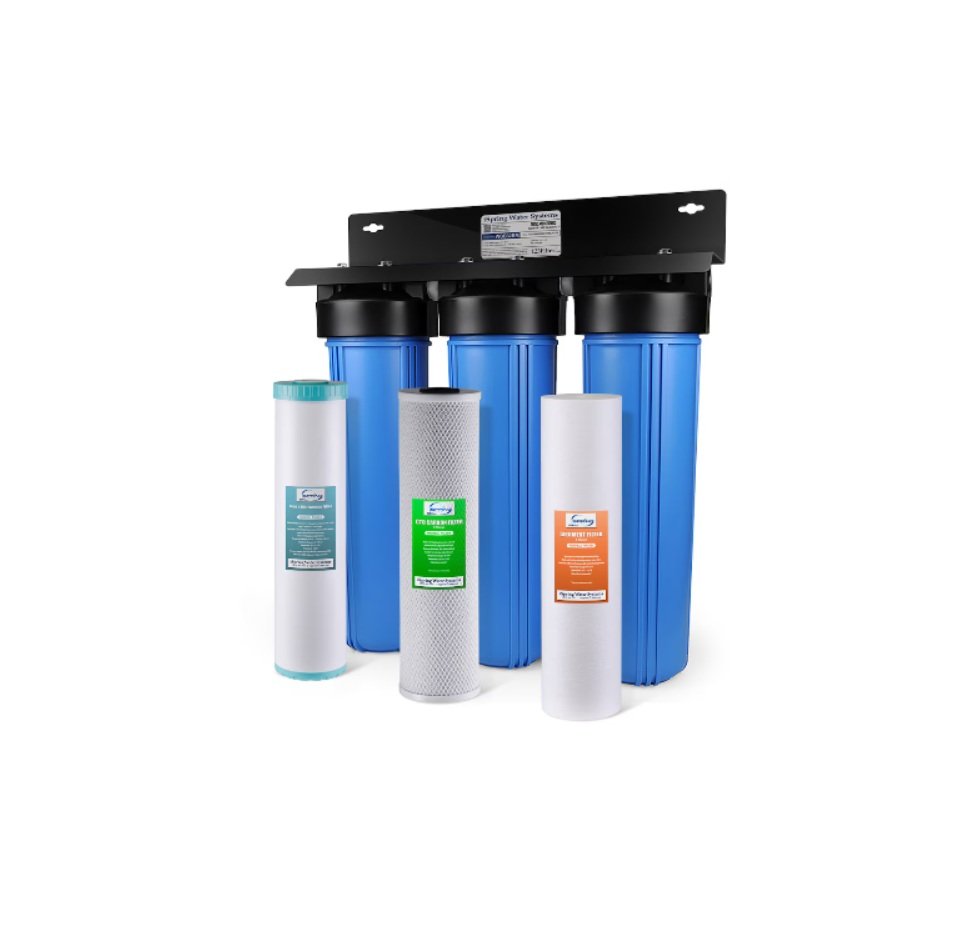
Tap water quality is an essential factor that significantly influences the taste and safety of the water we consume daily. Various elements and contaminants can adversely affect both the flavor profile and health standards of tap water. Among the most prevalent contaminants are chlorine, heavy metals, and sediment.
Chlorine is commonly used as a disinfectant in municipal water systems to kill harmful bacteria and pathogens. While effective in ensuring safety, chlorine can impart an unpleasant taste and odor to tap water, deterring many from drinking it. In addition, the presence of heavy metals, such as lead, copper, and mercury, poses both health risks and taste issues. These metals can leach into the water supply from aging pipes and infrastructure, introducing undesirable flavors and hazardous elements into the drinking water.
Another contributor to poor tap water quality is sediment, which can include particles such as sand, silt, and organic material. Sediment can alter the clarity and taste of water, making it appear murky or discolored. This often indicates insufficient filtration or treatment processes that fail to remove these particles effectively.
Understanding these contaminants highlights the importance of regular water testing. Water quality can vary significantly based on geographic location, local water treatment methods, and the condition of the distribution system. Periodic testing allows consumers to identify specific issues with their tap water, enabling them to take appropriate measures to address them. Therefore, improving tap water quality can not only enhance its taste but also ensure safety for all consumers.
What is Reverse Osmosis (RO) and How Does it Work?
Reverse Osmosis (RO) is a prominent water purification technique that effectively removes contaminants and enhances the taste of tap water. This method employs a semi-permeable membrane to separate impurities from water, allowing only clean water molecules to pass through. The fundamental principle behind RO is osmosis, a natural process where water moves from an area of low solute concentration to one of high solute concentration. In reverse osmosis, this process is reversed under pressure, forcing water through the membrane and leaving behind impurities such as salts, bacteria, and other contaminants.
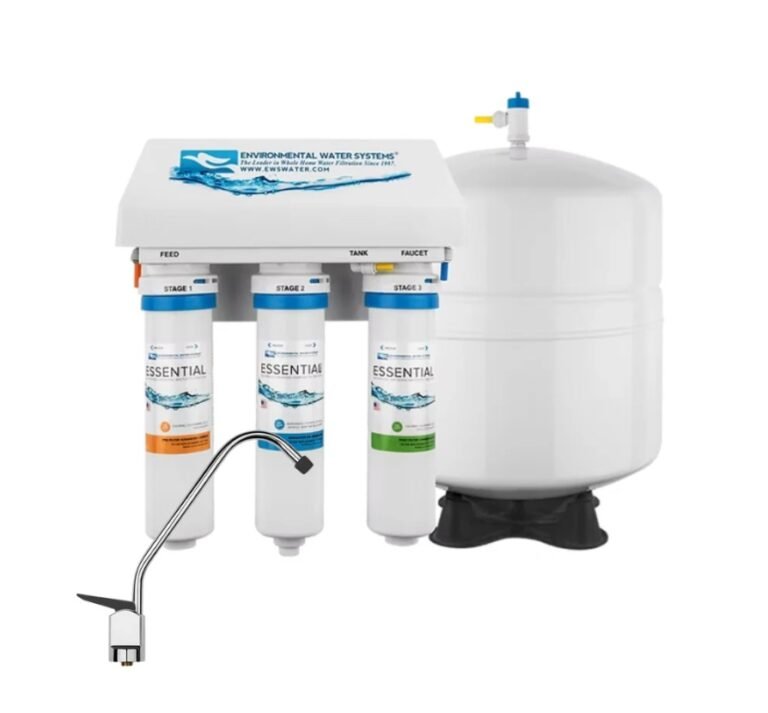
RO systems consist of various components, including pre-filters, the RO membrane, and post-filters. The pre-filters serve to remove larger particles and chlorine that can damage the membrane, while the RO membrane is the heart of the system, consisting of thin film composite (TFC) material. This material features microscopic pores that selectively allow water to flow through while blocking harmful substances. Following this, post-filters may be used to further polish the water, ensuring it is fresh and ready for consumption.
One significant advantage of RO systems is their ability to improve not only the safety of drinking water but also its taste. By effectively reducing the presence of chlorine, fluoride, heavy metals, and other undesirable elements, RO systems provide consumers with clean, great-tasting water. Furthermore, the removal of these impurities can also contribute to the longevity of plumbing fixtures and appliances, making RO systems a smart investment for households concerned about their water quality.
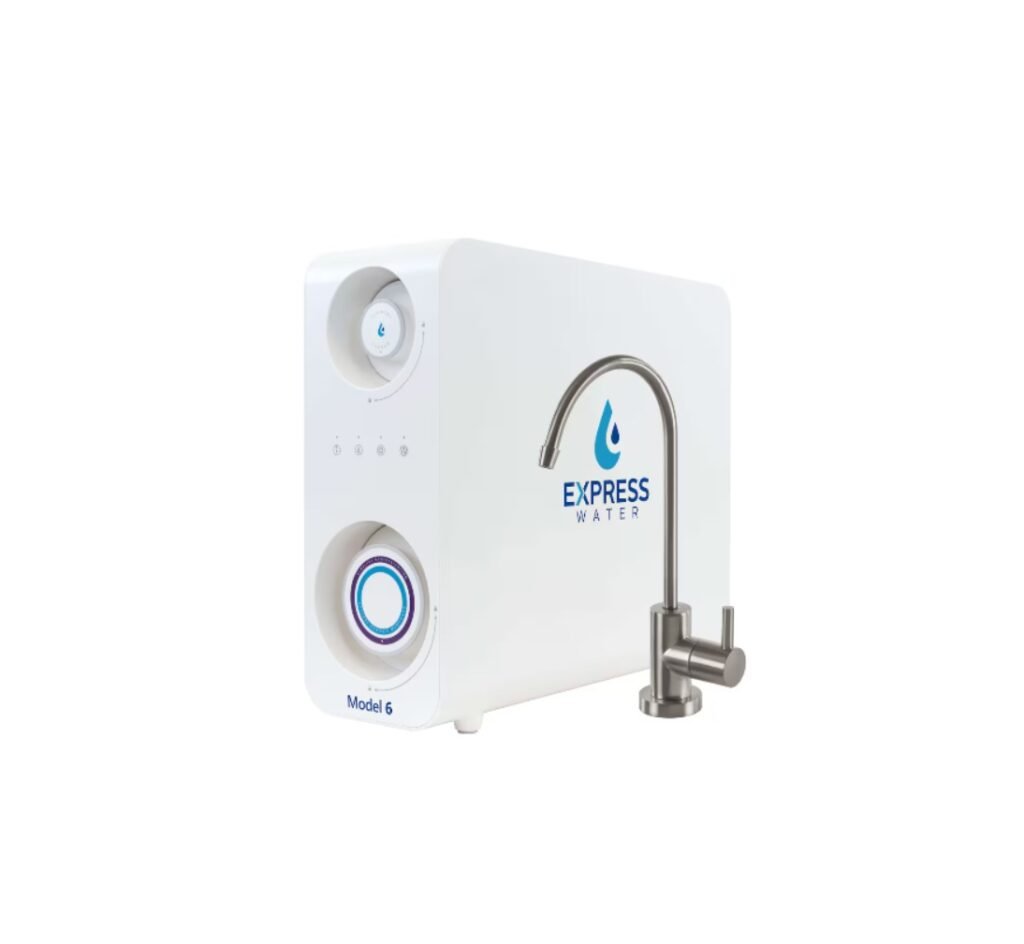
Choosing the Right RO System for Your Home
Selecting the appropriate reverse osmosis (RO) system for your household is vital to enhancing the quality of tap water. Several factors must be considered to ensure that you select a system that aligns with your specific needs. The first aspect to evaluate is the system capacity, which refers to the amount of purified water it can produce daily. For larger families or households with higher water consumption, a system with a larger capacity is advisable to avoid running out of purified water during peak usage.
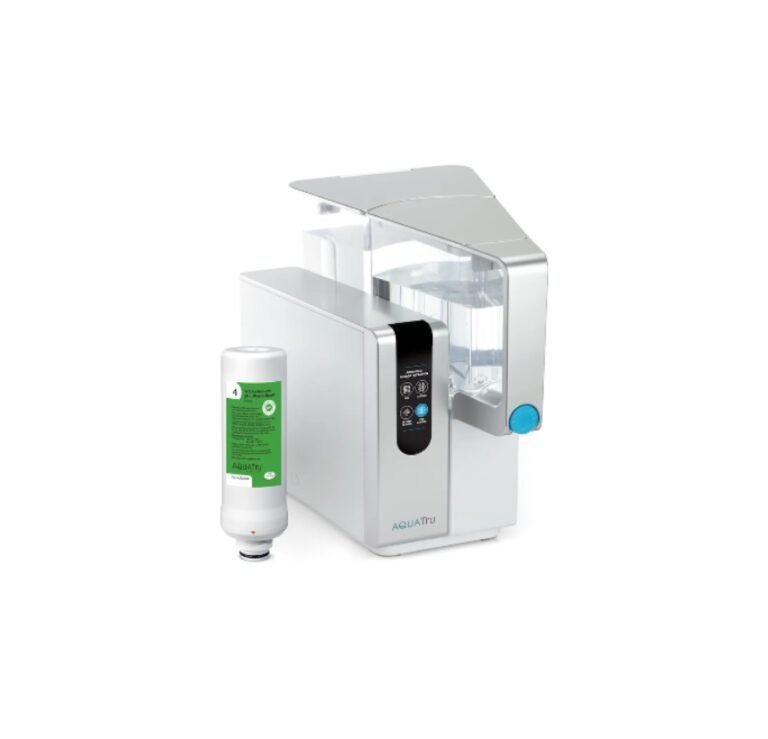
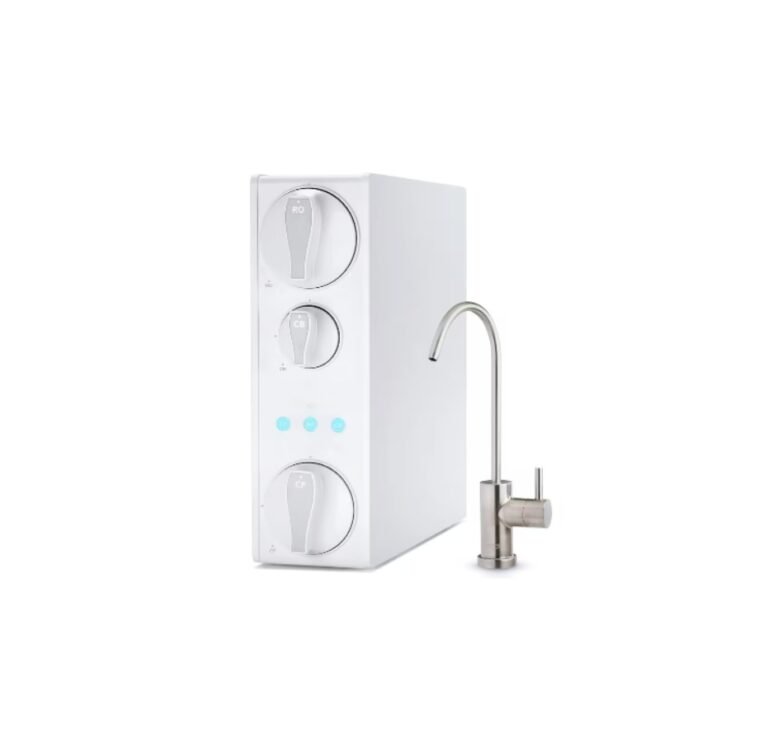
Installation requirements also play a significant role in the selection process. Some RO systems come as under-sink models, while others can be installed on countertops or as whole-house systems. Assessing the space available in your kitchen or basement will help narrow down your options. Additionally, consider whether you are comfortable with DIY installation or need to hire a professional, as this can impact your overall costs.
Maintenance is another critical factor to keep in mind. RO systems typically require regular filter changes and occasional sanitization to perform optimally. Familiarize yourself with the maintenance schedules and costs associated with various systems before making a decision. Selecting a system that aligns with your willingness to perform maintenance is essential for long-term satisfaction.
Lastly, budget considerations cannot be overlooked. RO systems come in a wide price range, varying based on capacity, brand, and additional features such as water remineralization or integrated UV sterilization. It is beneficial to compare brands and models to find one that fits both your financial constraints and your desires for feature set. Investing time in research will ensure you choose a reliable and effective RO system that significantly enhances the taste and quality of your tap water.
Tips for Enhancing the Taste of RO Water
While reverse osmosis (RO) systems efficiently remove impurities from tap water, enhancing the taste of the resulting water can further promote hydration and enjoyment. Here are some practical methods to elevate the flavor profile of your RO water.
One effective approach is to add essential minerals back into the water mixture. Calcium, magnesium, and potassium are commonly used minerals that contribute to not only flavor but also a more balanced pH level. Many commercially available mineral drops or cartridges specifically designed for remineralization can be utilized to achieve this. This strategic addition ensures that the water is not only palatable but also beneficial for health.
Alternatively, flavoring your RO water can produce a refreshing taste. Using natural flavor infusers, such as fresh fruits like lemon, cucumber, or berries, can transform the drinking experience. Water infusers or large pitchers equipped with compartments allow for a convenient infusion process, releasing nourishing flavors without adding sugars or additives. Additionally, herbal infusions such as mint or basil can provide unique aromas and tastes while retaining hydration benefits.
Optimal storage practices can influence the taste and overall quality of RO water. It is recommended to store RO water in glass containers rather than plastic ones, as the latter can distort the water’s flavor over time due to chemical leaching. Also, ensure that the water is kept in a cool, dark place to minimize exposure to light and heat, which can impact taste.
Lastly, regular maintenance of your RO system is crucial for preserving the quality of the water it produces. Replacing filters according to the manufacturer’s recommendations will prevent the build-up of contaminants and ensure that the taste remains crisp and clean. Performing periodic checks on your system will help in achieving not only better-tasting water but also a healthier intake overall.