Troubleshooting Low Water Pressure in RO Systems
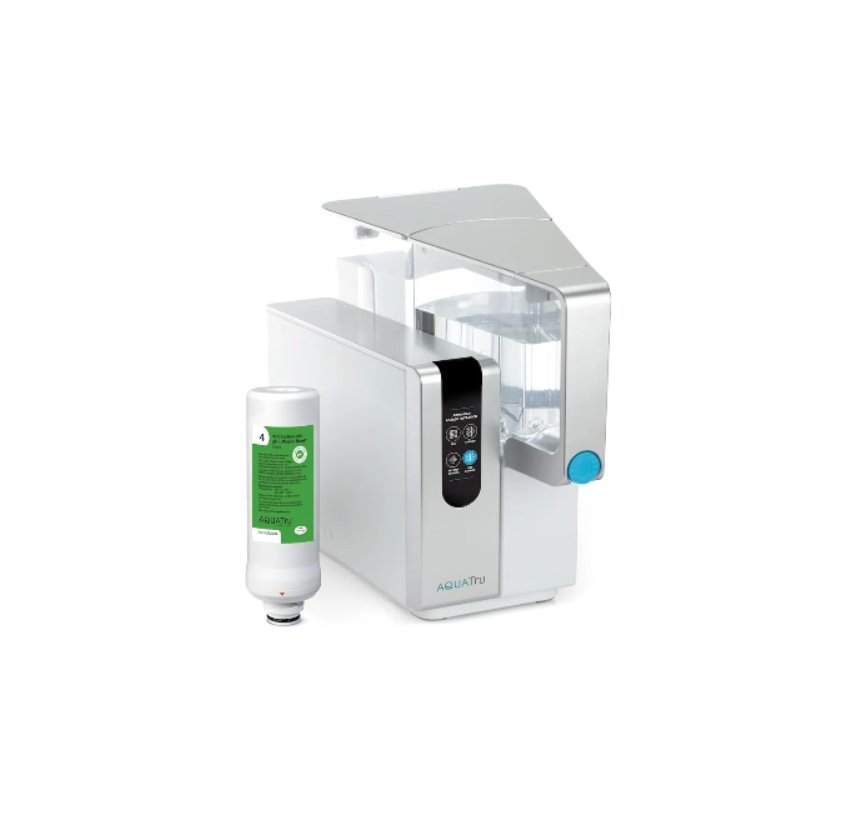
Reverse osmosis (RO) systems are widely recognized for their effectiveness in water purification, making them a popular choice for both residential and commercial use. The fundamental principle behind these systems is the use of a semi-permeable membrane that allows water to pass through while rejecting a significant proportion of dissolved solids, contaminants, and impurities. This process not only enhances the taste of drinking water but also improves its safety for consumption.
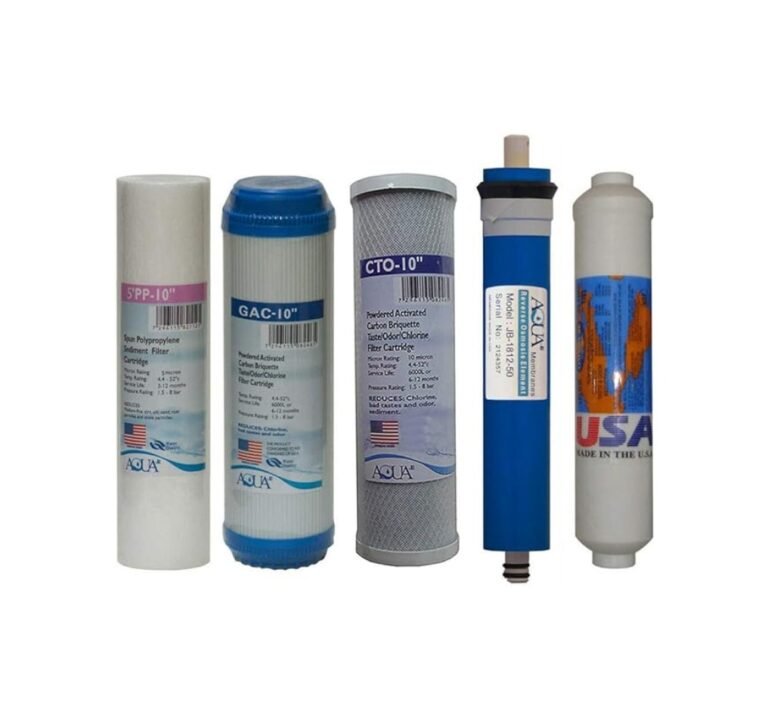
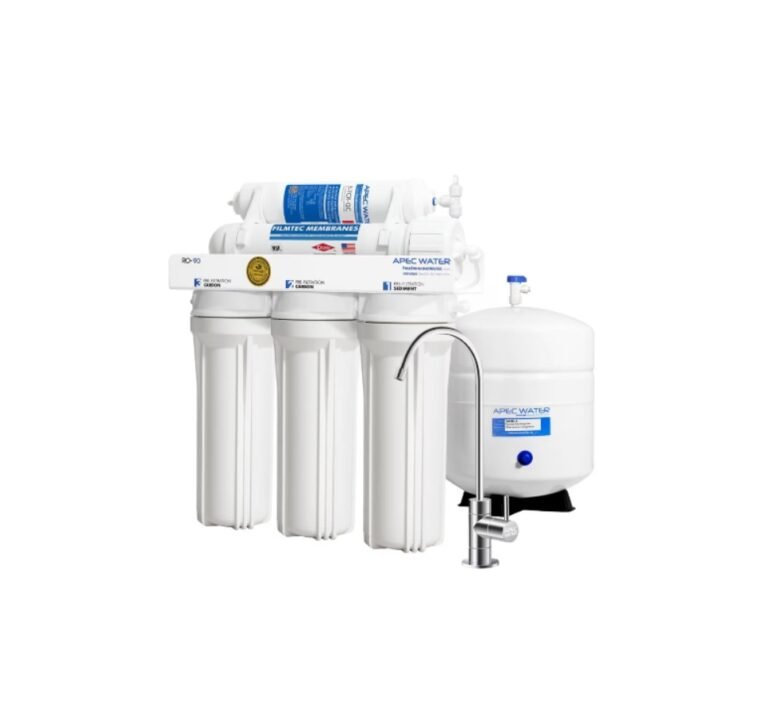
At the heart of an RO system are several key components that work in concert to provide clean water. First, there is the pre-filter, which serves to remove larger particles and chlorine, thus protecting the RO membrane from damage. Next, the system employs the RO membrane itself, which is the pivotal element that accomplishes the actual filtration. After the water has passed through the RO membrane, it enters a post-filter to further refine its purity before reaching the dispensing faucet.
One of the critical factors influencing the efficiency of a reverse osmosis system is the water pressure. Optimal water pressure is essential for proper filtration; typically, a pressure range of 40 to 80 psi (pounds per square inch) is considered ideal for these systems. Insufficient water pressure can lead to reduced flow rates and less effective purification, which may result in lower-quality drinking water. Conversely, excessively high water pressure can damage internal components, particularly the delicate RO membrane. Therefore, understanding and maintaining the appropriate pressure levels is vital for ensuring the longevity and effectiveness of reverse osmosis systems.
Common Causes of Low Water Pressure in RO Systems
Low water pressure in reverse osmosis (RO) systems can be frustrating and may lead to inefficiencies in water purification. Understanding the common causes of this issue is vital for maintaining optimal performance and ensuring that the system operates effectively. Several factors can contribute to low water pressure in these systems, and identifying them is the first step in resolving the problem.
One of the leading culprits is clogged pre-filters. These filters are designed to remove sediments, chlorine, and other contaminants from the water before it reaches the RO membrane. Over time, they can become saturated with impurities, which restricts water flow and reduces pressure. Regular maintenance and timely replacement of these filters are essential to prevent this issue.
Another factor that can affect water pressure is a malfunctioning pressure regulator. This device is responsible for maintaining appropriate pressure levels within the RO system. If it fails or is set incorrectly, it can lead to insufficient water pressure. Checking and recalibrating the pressure regulator might resolve the issue if it is identified as the problem.
Insufficient water supply pressure is also a common cause of low pressure in RO systems. If the incoming water pressure is below the system’s minimum operating requirement, it can hinder the RO process. Homeowners should measure their municipal water supply pressure and determine if it meets the system’s specifications.
Additionally, mineral buildup on the RO membrane can restrict water flow and pressure. Hard water minerals can accumulate on the membrane over time, leading to decreased efficiency. Regular cleaning or replacement of the membrane is necessary to prevent this problem.
Finally, the age of the equipment can play a significant role. Older RO systems may experience wear and tear that affects performance, including low water pressure. Evaluating the age of your system and its components is important for identifying the root causes of low pressure.
Diagnosing Low Water Pressure Issues
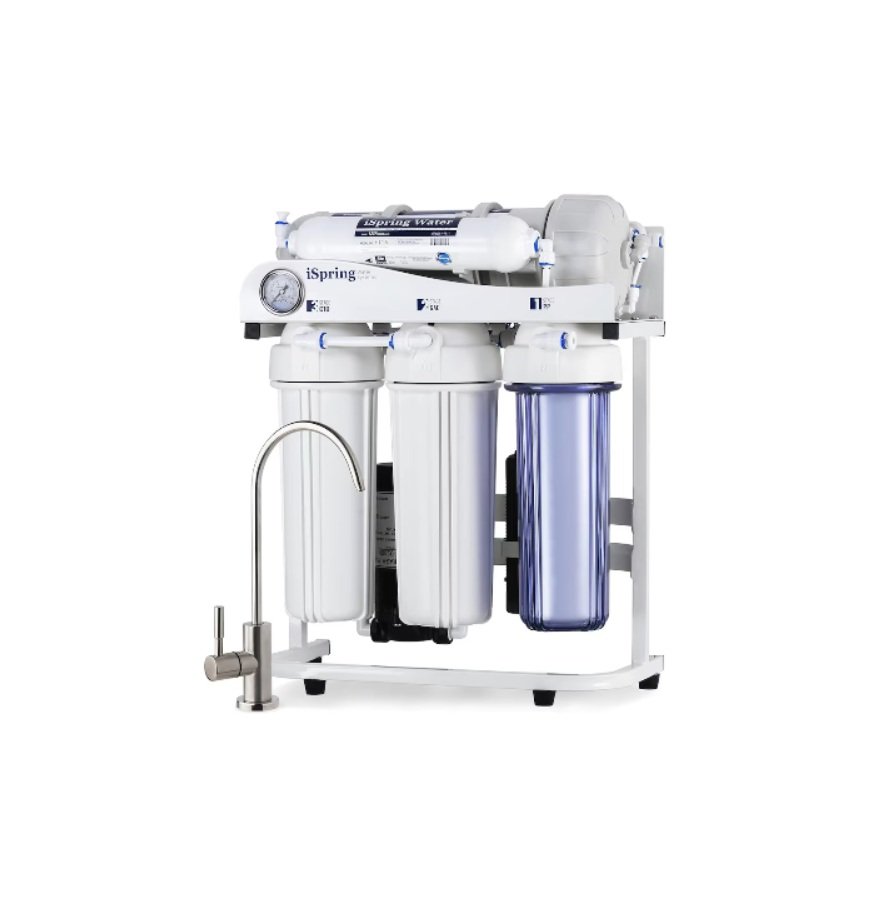
Diagnosing low water pressure in reverse osmosis (RO) systems is essential for maintaining optimal performance and ensuring that water filtration occurs effectively. The first step in addressing low water pressure is to check the water supply to the RO system. Begin by ensuring that the feed water valve is fully open and that no obstructions exist in the water line, such as kinks or blockages. Testing the water pressure entering the system can reveal whether the issue lies within the RO installation or upstream in the plumbing.
Once the water supply has been confirmed, the next phase is to inspect the individual components of the RO system itself. Focus on the pre-filters and the membrane for any signs of fouling or clogs. Replace filters as needed, since clogged pre-filters can restrict water flow, leading to low pressure. Ensure that all fittings and connections are secure to prevent leaks that can adversely affect the system’s pressure.
After confirming the integrity of the water supply and components, testing the pressure at different stages of the filtration process is crucial. Attach a pressure gauge at the feed water inlet and at the permeate output to monitor the differential pressure across the membrane. This measurement can indicate if the membrane is functioning properly or if it requires replacement.
Routine maintenance of the RO system plays a significant role in preventing future low water pressure issues. Regular monitoring, including scheduled filter changes and system checks, can help identify and remedy issues before they escalate. Additionally, conducting periodic inspections ensures that the components are in good working order, maintaining proper water pressure and quality over time.
Solutions and Preventative Measures
Addressing low water pressure in reverse osmosis (RO) systems requires a multifaceted approach, focusing on both immediate solutions and long-term preventative measures. One effective strategy is to regularly check and clean or replace the filters within the RO unit. Filters can become clogged with contaminants over time, leading to a reduction in water flow and pressure. Typically, it’s recommended to inspect and replace membrane filters every two to three years, depending on usage and water quality.
Another solution to restore optimal pressure is to assess and, if necessary, adjust the pressure settings of the RO system. Many units feature pressure gauges that can help users determine the current flow rates. Adjustments may involve tightening fittings or ensuring that the pressure tank is adequately filled to support water delivery. If the pressure settings appear optimal yet issues persist, inspecting the system for leaks or damage may reveal underlying problems.
Improving the overall performance of the RO system can also involve upgrading components. For example, installing a newer, high-efficiency pump may enhance water pressure, as older pumps can struggle to deliver adequate flow. Additionally, incorporating a water softener can mitigate the impact of hard water, reducing the mineral buildup that often contributes to low pressure in RO systems.
Routine maintenance practices play a crucial role in preventing future issues. Scheduling regular inspections, conducting routine cleaning, and ensuring that all components are functioning correctly can help maintain high water pressure. Furthermore, users should be vigilant about minimizing potential obstructions in the system, including the supply lines and fittings, to safeguard against avoidable pressure drops. By following these recommendations, homeowners can enhance the reliability and efficiency of their reverse osmosis systems and enjoy consistent water quality.